
When Is the Last Day of Ramadan 2026 — and What Happens Before Eid?
As the crescent moon that welcomed Ramadan begins to wane, Muslim communities across the world prepare for one of the most spiritually meaningful transitions of the Islamic year. The last day of Ramadan 2026 represents far more than the end of fasting. It marks the completion of a sacred journey defined by patience, worship, and deep inner reflection.
For many Muslims, these final moments feel bittersweet. There is gratitude for reaching the end of the blessed month with faith and strength, anticipation for the joy of Eid al-Fitr, and a quiet sadness as the unique spiritual atmosphere of Ramadan draws to a close. Understanding when Ramadan ends, how its final day is observed, and how to transition into Eid with intention allows believers to honor this sacred time fully.
This guide explores the last day of Ramadan 2026 through the lens of Islamic tradition, spiritual meaning, and practical preparation—helping individuals, families, and couples close the month with awareness and grace.
When Is the Last Day of Ramadan 2026?
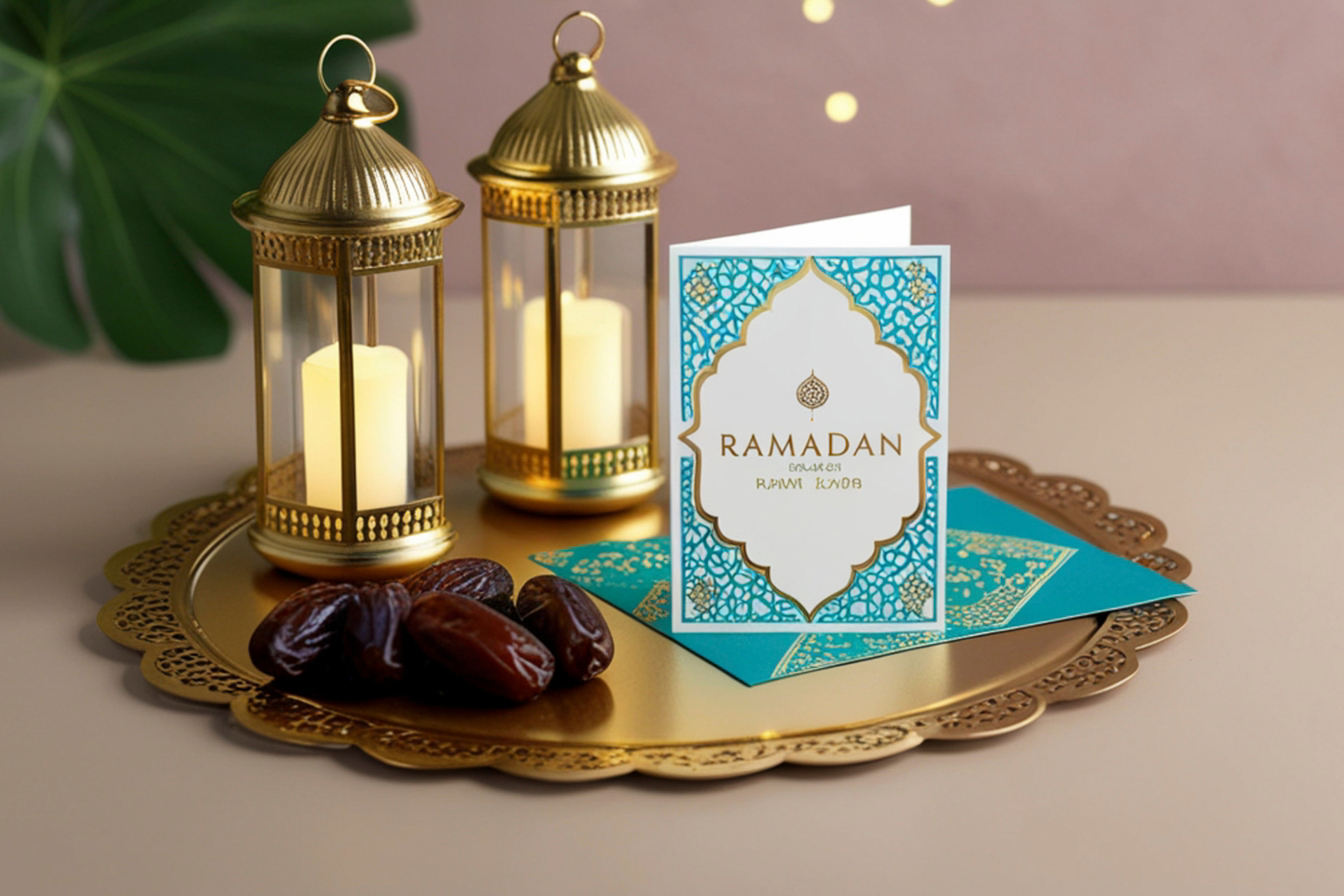
Determining the exact last day of Ramadan requires understanding how the Islamic lunar calendar functions and why certainty only comes at the final moment.
Expected Dates Based on the Lunar Calendar
Based on astronomical calculations, Ramadan 2026 is expected to begin around Tuesday, February 17, 2026. Because Ramadan lasts either 29 or 30 days, the last day of Ramadan 2026 will likely fall on Wednesday, March 18, or Thursday, March 19.
However, the Islamic calendar does not rely solely on calculation. The conclusion of Ramadan depends on the sighting of the crescent moon, which signals the start of the month of Shawwal.
Muslims will not know with absolute certainty whether Ramadan ends after 29 or 30 days until the evening of the 29th fast, when moon-sighting committees confirm whether the new moon has been observed.
Why Moon Sighting Determines the Exact Date
The practice of moon sighting is rooted directly in the Sunnah.
The Prophet ﷺ said:
“Fast when you see it, and break your fast when you see it. If it is cloudy, then complete the count of thirty days.”
(Sahih al-Bukhari 1909; Sahih Muslim 1081)
This approach connects worship to the natural lunar cycle, reminding Muslims that faith unfolds in harmony with creation rather than rigid schedules.
Because of geography and differing methodologies, local moon sightings may vary. As a result, Muslim communities in different regions may observe the Ramadan end on different days. This variation is well-established in Islamic tradition and reflects flexibility rather than division.
Most Muslims learn the official last day of Ramadan through announcements from their local mosque or national Islamic authorities.
The Spiritual Significance of Ramadan’s Final Days
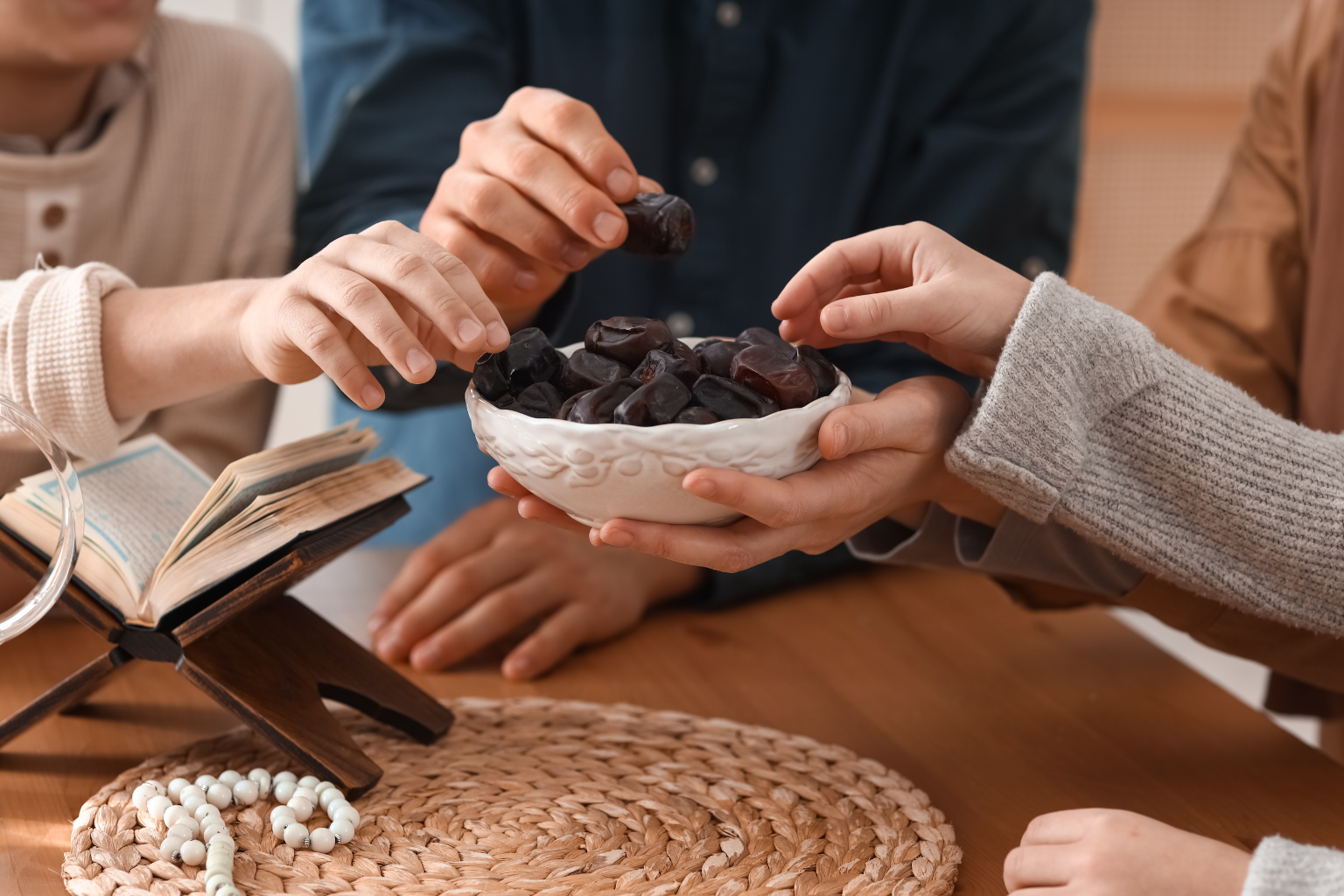
While every day of Ramadan holds blessing, its closing days carry a unique spiritual weight.
Allah says in the Holy Qur’an:
“The month of Ramadan in which was revealed the Qur’an, a guidance for mankind and clear proofs of guidance and criterion.”
(Surah Al-Baqarah 2:185)
The final days invite believers to slow down, reflect deeply, and ask whether the month has softened the heart and strengthened faith.
The Last Ten Nights and Laylat al-Qadr
Among the most sacred moments of the year are the last ten nights of Ramadan, which include Laylat al-Qadr, the Night of Power.
Allah says:
“Indeed, We sent it down during the Night of Decree. And what can make you know what is the Night of Decree? The Night of Decree is better than a thousand months.”
(Surah Al-Qadr 97:1–3)
Worship performed on this night carries greater reward than worship over an entire lifetime. While the exact date is unknown, many scholars encourage seeking it on the odd-numbered nights of the final ten days.
This period often becomes one of intensified prayer, Qur’an recitation, and heartfelt supplication across Muslim communities worldwide.
The Practice of Iʿtikāf in the Final Days
Following the example of Prophet Muhammad, many Muslims observe iʿtikāf during the last ten days of Ramadan—a spiritual retreat in the mosque devoted to worship and reflection.
While not everyone can perform full iʿtikāf due to work or family obligations, many dedicate extra time to the mosque, evening prayers, and quiet reflection. Even partial participation reflects the spirit of withdrawing from worldly distraction and turning fully toward Allah.
Making the Most of the Final Fasts
As the last day of Ramadan 2026 approaches, many Muslims feel renewed urgency to complete unfinished spiritual goals.
These final fasts are often spent:
Seeking forgiveness and repentance
Giving additional charity to poor people and deserving people
Making duʿāʾ for family, marriage, and future guidance
Completing Qur’an recitation if possible
Knowing what time is for iftar today becomes especially important during these days, allowing believers to plan worship and family gatherings with intention.
Zakat al-Fitr: Completing Ramadan with Responsibility
One of the most important obligations connected to the end of Ramadan is Zakat al-Fitr.
The Prophet ﷺ prescribed it:
“As purification for the fasting person from idle talk and obscenity, and as food for the needy.”
(Sunan Abu Dawud 1609)
Who Must Pay Zakat al-Fitr
Zakat al-Fitr is obligatory upon healthy adult Muslims who possess more food than they need for the day and night of Eid. It must be paid on behalf of oneself and dependents, including children and those under one’s care.
Amount and Timing
Traditionally, Zakat al-Fitr equals one sāʿ of staple food. Today, many mosques provide a monetary equivalent to ease distribution.
The preferred time to give Zakat al-Fitr is before the Eid prayer, with many scholars recommending payment during the last day of Ramadan so it reaches recipients in time.
The Night Before Eid: A Gentle Transition
The night after the final fast marks the beginning of Shawwal. Many Muslims spend this night in gratitude, family connection, and quiet worship.
The Prophet ﷺ said:
“Whoever stands in prayer on the night of Eid, his heart will not die on the day when hearts die.”
(Sunan Ibn Mājah 1782)
Families often prepare clothing, share meals, and reflect together on what Ramadan taught them.
Eid al-Fitr: Celebrating the Completion of the Fast
The day following the last day of Ramadan is Eid al-Fitr, a joyful religious holiday celebrating gratitude and renewal.
Muslims gather for Eid prayer, exchange greetings, give gifts, and strengthen family ties. For married couples and those seeking marriage, Eid often becomes a moment of shared joy and hope.
For those seeking life partners who share this commitment to spiritual growth beyond just Ramadan, platforms offering Muslim matchmaking programs can help connect you with compatible individuals who prioritize faith as a foundation for marriage.
Carrying Ramadan Forward After It Ends
Ramadan does not end when fasting ends. Many Muslims continue with voluntary worship, including the six fasts of Shawwal, about which the Prophet ﷺ said:
“Whoever fasts Ramadan and follows it with six days of Shawwal, it is as if he fasted for a lifetime.”
(Sahih Muslim 1164)
More importantly, believers strive to maintain the self-discipline, generosity, and spiritual awareness developed during the month.
A Final Reflection on the Last Day of Ramadan 2026
As the last day of Ramadan 2026 unfolds, it invites gratitude rather than perfection. Ramadan comes as a guest, stays briefly, and departs—but what remains is what truly matters.
If the month leaves you more conscious of Allah, more compassionate toward others, and more intentional in your relationships, then it has fulfilled its purpose.
The mission behind platforms like Love, InshaAllah and our programs emphasizes living Islam with sincerity and building meaningful connections rooted in faith. The lessons of Ramadan, particularly its teachings about discipline, community, and devotion, strengthen every dimension of life including relationships and marriage.
May Allah accept your fasting, prayers, charity, and supplications.
May He allow you to reach many more blessed Ramadans ahead.
Ramadan Mubarak — and Eid Mubarak.