
Ramadan Mubarak 2026 Wishes: Dates, Fasting Rules, Laylat al Qadr
As the crescent moon appears in the night sky and the Islamic calendar turns toward the ninth month, Muslims around the world prepare their hearts for one of the most sacred times of the year. Ramadan 2026 approaches with the promise of spiritual renewal, divine mercy, and the opportunity to draw closer to Allah through fasting, prayer, and acts of compassion.
Whether you're preparing to observe Ramadan fasting for the first time, seeking meaningful Ramadan Mubarak wishes to share with loved ones, or simply wanting to understand this blessed month more deeply, this guide offers everything you need to embrace the holy month with sincerity and joy.
From key dates and spiritual practices to heartfelt messages and the profound wisdom behind this sacred observance, let's explore how to make Ramadan 2026 a transformative experience.
When Is Ramadan 2026?
Ramadan follows the Islamic lunar calendar, which operates differently from the Gregorian calendar most of the world uses for daily planning. Because the lunar cycle is approximately 11 days shorter than the solar year, Ramadan shifts earlier each year in relation to the seasons.
Expected Dates for Ramadan 2026
Based on astronomical calculations, Ramadan 2026 is expected to begin in late February or early March. Most projections suggest Ramadan begins around February 18, 2026, though the exact dates are contingent upon the sighting of the moon.
The blessed month will likely continue for thirty days, with Eid al Fitr celebrations expected around March 20, 2026. However, these dates remain tentative until religious authorities in various regions confirm the moon sighting.
Most scholars agree that:
Ramadan begins with the confirmed sighting of the moon
The month lasts 29 or 30 days
It ends with Eid al-Fitr, a day of joy, prayer, and gratitude
This dependence on the lunar cycle reminds Muslims of their connection to the natural world and divine order — a rhythm set by Allah.
Why Moon Sighting Matters
Islam follows a lunar calendar where each month starts with the appearance of the new crescent moon. The Prophet Muhammad ﷺ instructed: "Fast when you see it (the new moon) and break your fast when you see it" (Sahih al-Bukhari, 1909).
This reliance on actual moon sighting rather than pure calculation connects Muslims to the natural world and creates a sense of anticipation and spiritual readiness. Different Muslim communities may begin Ramadan on slightly different days depending on geographical location and local moon sighting committees.
The practice reminds us that some things cannot be rigidly scheduled or controlled. We prepare our hearts and await Allah's signs with patience and trust.
What Makes Ramadan the Most Sacred Month?
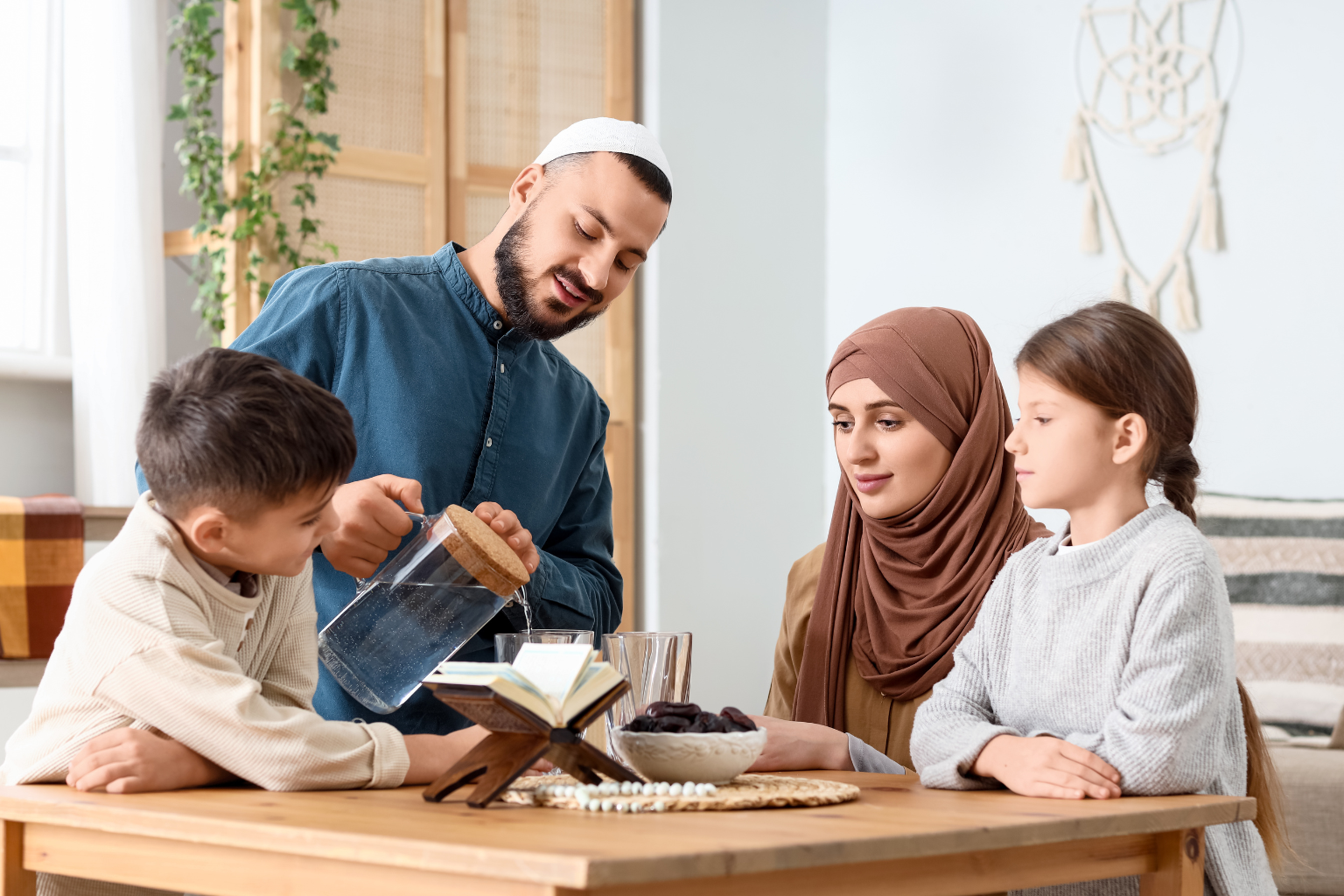
Ramadan holds a unique position among the twelve months of the Islamic calendar as the time when the Qur'an was first revealed to Prophet Muhammad ﷺ.
Allah says in the Qur'an: "The month of Ramadan [is that] in which was revealed the Qur'an, a guidance for the people and clear proofs of guidance and criterion" (Surah Al-Baqarah, 2:185).
This divine revelation transformed human history, offering guidance, mercy, and a path to eternal success. Observing Ramadan connects Muslims directly to this momentous event and to the book that continues to guide over a billion people worldwide.
The Spiritual Significance
Ramadan is described as the month when the gates of Paradise open, the gates of Hell close, and the devils are chained. This spiritual atmosphere creates unique opportunities for transformation, forgiveness, and drawing closer to Allah.
The blessed month offers a reset button for your spiritual life. Past mistakes can be forgiven, bad habits can be broken, and new patterns of worship and righteousness can take root. Muslims approach Ramadan with hope, knowing that sincere efforts during these thirty days carry multiplied spiritual rewards.
One of the Five Pillars of Islam
Fasting during Ramadan represents one of the five pillars of Islam, the foundational practices that define Muslim life. Alongside the declaration of faith, daily prayers, charitable giving, and pilgrimage to Mecca, Ramadan fasting is an obligation for all adult Muslims who are physically able.
This universality means that Muslims across the world, despite vast cultural and geographical differences, share this common experience. A Muslim in Indonesia fasts alongside a Muslim in Morocco, creating global solidarity and spiritual connection.
Understanding Ramadan Fasting: More Than Abstaining from Food
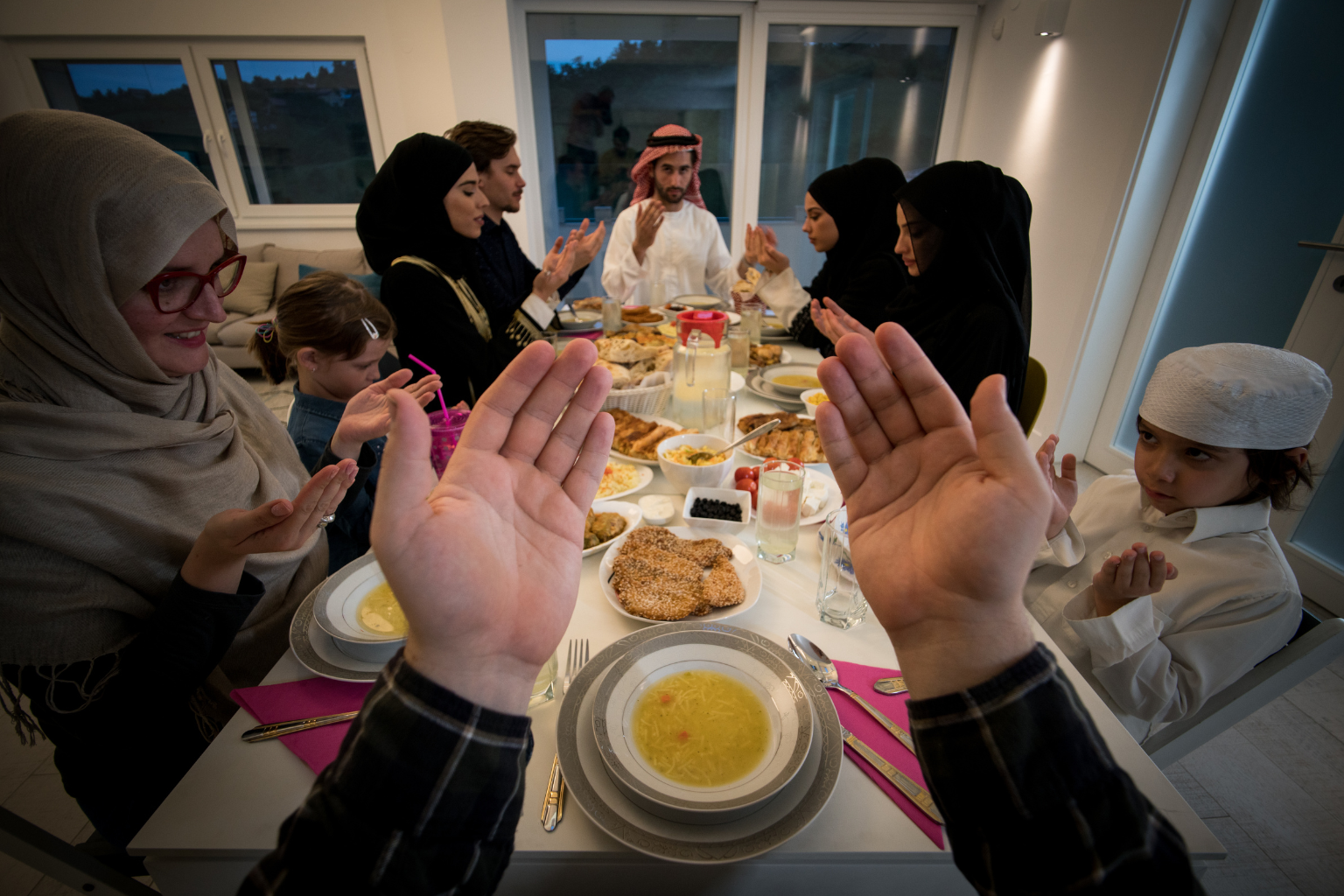
When most people hear about Ramadan, they think of fasting. But the practice involves much more than simply avoiding food and drink during daylight hours.
What Fasting Entails
During Ramadan, adult Muslims abstain from food, drink, smoking, and intimate relations from dawn until sunset. The fast begins before the Fajr prayer at dawn and ends at Maghrib prayer when the sun sets.
In practical terms, this means waking before sunrise for a pre-dawn meal called suhoor, then refraining from all consumption throughout the day regardless of hunger or thirst, and breaking the fast at sunset with a meal called iftar.
The physical discipline of controlling natural desires builds self-control and willpower that extends beyond the month itself. When you can resist food and drink for Allah's sake, resisting other temptations becomes easier.
The Spiritual Dimension of Fasting
Physical abstinence represents only the outer layer of Ramadan fasting. The Prophet Muhammad ﷺ taught: "Whoever does not give up false speech and acting upon it, Allah has no need of his giving up food and drink" (Sahih al-Bukhari, 1903).
This teaching reveals that true fasting involves restraining not just the stomach but also the tongue, eyes, ears, and heart. During Ramadan, Muslims strive to avoid gossip, lying, arguing, watching inappropriate content, listening to harmful speech, and harboring negative thoughts about others.
The month becomes a comprehensive training program for spiritual excellence. You're not just hungry; you're becoming a better version of yourself through conscious discipline and God-consciousness.
Health Benefits as a Bonus
While spiritual growth remains the primary goal, Ramadan fasting also offers documented health benefits. Intermittent fasting, which Ramadan resembles, has been shown to improve metabolic health, enhance mental clarity, support cellular repair, and promote better eating habits.
Many Muslims report feeling more energized and focused during Ramadan despite the physical challenge of fasting. This combination of spiritual and physical benefits creates holistic wellness that extends beyond the blessed month.
Key Practices and Rituals of Ramadan
Beyond the daily fast, several specific practices define the Ramadan experience and maximize its spiritual rewards.
Taraweeh Prayers
Throughout Ramadan, Muslims gather in mosques for special night prayers called Taraweeh. These voluntary prayers, performed after the obligatory Isha prayer, typically involve reciting the entire Qur'an over the course of the month.
Standing in prayer with your community, listening to beautiful Qur'anic recitation, and bowing together in worship creates profound spiritual connection. The atmosphere in the mosque during Taraweeh carries a special peace and devotion that many Muslims describe as the highlight of their Ramadan experience.
While attending the mosque for Taraweeh is traditional, these prayers can also be performed at home, making them accessible to everyone regardless of circumstances.
Laylat al Qadr: The Night of Power
Among the final ten nights of Ramadan lies Laylat al Qadr, the Night of Power, when the Qur'an was first revealed. This single night is described as better than a thousand months of worship.
The Qur'an says: "The Night of Decree is better than a thousand months" (Surah Al-Qadr, 97:3).
Think about that. Worship on this one night carries more spiritual weight than worship performed consistently for over 83 years. Most Muslims spend the odd nights of the last ten days (21st, 23rd, 25th, 27th, 29th) in increased worship, hoping to catch this blessed night.
Practices during these nights include extended prayers, Qur'an recitation, making du'a for forgiveness and guidance, and seeking solitude for spiritual reflection. Many Muslims perform i'tikaf, a spiritual retreat where they remain in the mosque for these final days of Ramadan.
Reading and Reflecting on the Qur'an
Ramadan has a special relationship with the Qur'an as the month of its revelation. Many Muslims aim to complete reading the entire Qur'an during these thirty days, dividing it into daily portions.
Beyond mere recitation, Ramadan invites deeper engagement with Allah's words. Reading translations, studying tafsir (Qur'anic commentary), memorizing meaningful verses, and contemplating how the teachings apply to your life all deepen your connection to the divine message.
This focus on the Qur'an transforms Ramadan from a month of deprivation into a month of spiritual nourishment. You may be hungry physically, but you're being fed spiritually through direct engagement with Allah's guidance.
Increased Charity and Zakat al Fitr
Generosity and compassion toward those in need form central themes of Ramadan. Muslims are encouraged to give abundantly to charity throughout the month, experiencing the hunger of fasting as a reminder of those who face food insecurity daily.
Near the end of Ramadan, Muslims pay Zakat al Fitr, a specific charitable contribution required before Eid al Fitr. This ensures that even the poorest community members can celebrate Eid with food and dignity.
The amount of Zakat al Fitr is typically equivalent to one day's worth of food for one person, though the exact calculation varies by region. Paying it before Eid prayer ensures it benefits those in need when they need it most.
Ramadan as a Time for Relationships and Community
While Ramadan emphasizes individual spiritual growth, it simultaneously strengthens bonds between family members, friends, and the broader Muslim community.
Iftar: Breaking Fast Together
The moment when Muslims break their fast at sunset, called iftar, becomes a daily celebration of gratitude and community. The Sunnah is to break the fast with dates and water, following the example of Prophet Muhammad ﷺ, before performing the Maghrib prayer and then enjoying a full meal.
Families gather around the table, mosques host community iftars, and friends invite each other to share this blessed meal. These gatherings create joy, strengthen relationships, and remind everyone that worship encompasses both solitude and community.
For couples and families, understanding the importance of what nikkah means and the sacred bonds of marriage takes on special significance during Ramadan when family time increases and spiritual reflection deepens.
Strengthening Family Bonds
Ramadan offers families a unique opportunity to worship together, eat together, and grow together spiritually. Parents teach children about Islam through lived example rather than just words. Siblings support each other through the challenge of fasting. Extended families reconnect during special Ramadan gatherings.
The shared experience of waking before dawn, fasting through the day, and celebrating iftar together creates memories and bonds that last a lifetime. For many Muslims, their warmest childhood memories center around Ramadan experiences with family.
Community Spirit in the Mosque
The mosque comes alive during Ramadan in ways unique to this blessed month. Daily congregational prayers increase in attendance. Taraweeh prayers fill the prayer halls. Community iftar programs feed hundreds. Islamic lectures and classes proliferate.
This community spirit reminds Muslims that faith is both personal and communal. Your individual spiritual journey connects to millions of others walking the same path, seeking the same divine pleasure, and striving for the same eternal success.
Ramadan Mubarak Wishes: Sharing Blessings with Loved Ones
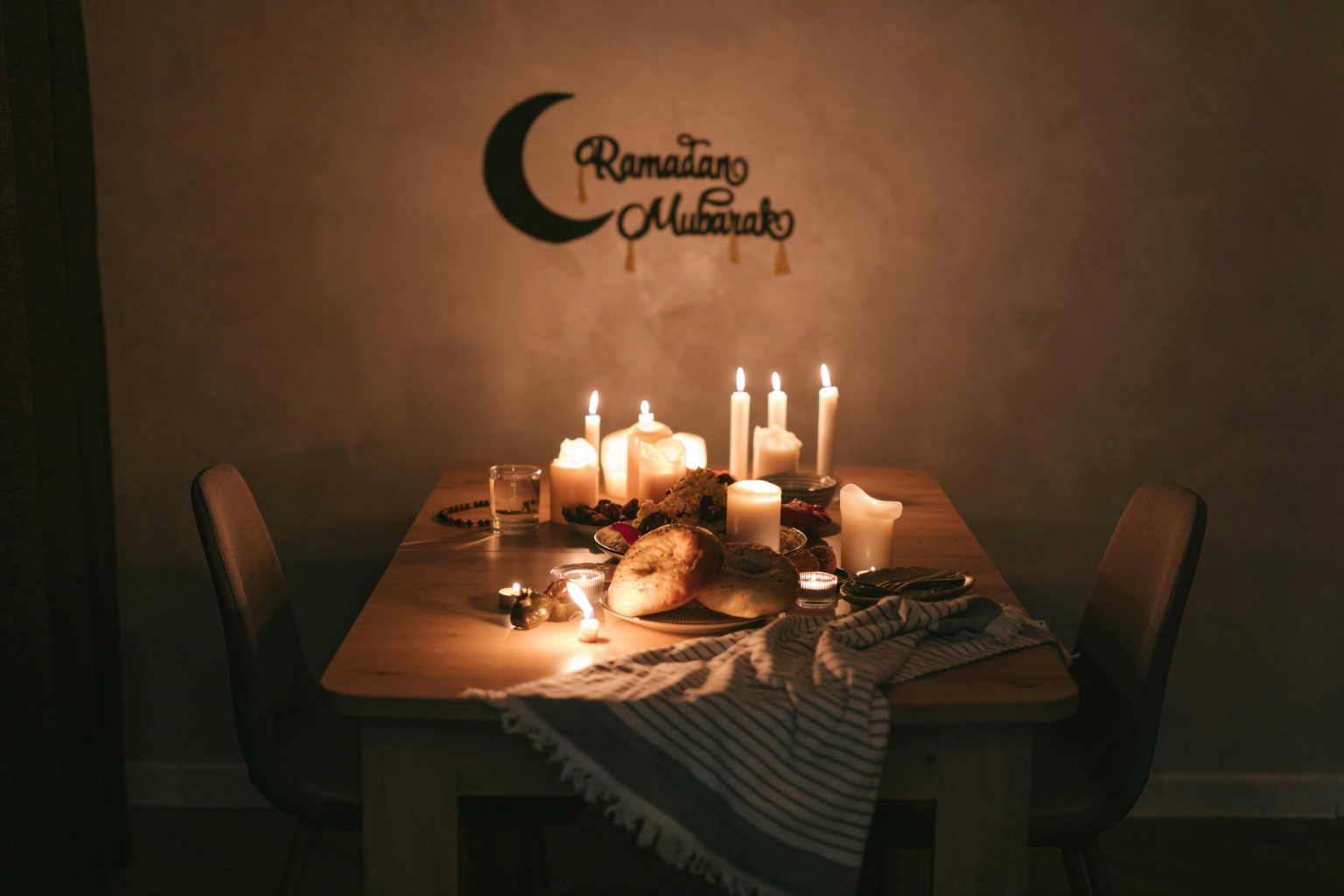
As Ramadan approaches and throughout the blessed month, Muslims exchange greetings and good wishes that express joy, solidarity, and prayers for each other's success.
What Does "Ramadan Mubarak" Mean?
"Ramadan Mubarak" is Arabic for "Blessed Ramadan" or "May Ramadan be blessed for you." It's one of the most common greetings Muslims exchange during this month, expressing the hope that the recipient experiences all the spiritual rewards and blessings that Ramadan offers.
Another popular greeting is "Ramadan Kareem," meaning "Generous Ramadan," acknowledging both Allah's generosity during this month and encouraging Muslims to be generous toward others.
Heartfelt Ramadan Mubarak Wishes for 2026
For Family:
May Allah bless our family with health, peace, and abundant spiritual rewards this Ramadan. May every fast draw us closer to Him and to each other.
As we break bread together at iftar and stand together in prayer, may Allah strengthen the bonds of love between us. Ramadan Mubarak to the people who make my life beautiful.
For Friends:
Ramadan Mubarak, dear friend. May this blessed month bring you closer to your dreams and deepen your connection with Allah. Your friendship is a gift I'm grateful for every day.
Wishing you a Ramadan filled with accepted prayers, forgiven sins, and moments of peace that refresh your soul. May Allah grant you strength for every fast and joy at every iftar.
For Couples and Spouses:
Ramadan Mubarak to my beloved. May we support each other's spiritual growth, worship together in harmony, and emerge from this month as better partners and better Muslims.
Just as Allah brought us together, may this Ramadan deepen our bond and fill our home with barakah. I'm blessed to fast beside you and grateful to break fast with you each evening.
For those seeking their life partner through Muslim matchmaking programs, Ramadan can be an especially meaningful time to reflect on what qualities matter most in a spouse and to make du'a for a righteous match.
For the Community:
To my brothers and sisters in faith around the world, Ramadan Mubarak. Though we may be separated by distance, we are united in worship and connected through our love for Allah.
May this blessed month bring healing to our communities, justice to the oppressed, and guidance to those who are lost. May our fasts be accepted and our prayers answered.
For Those Facing Hardship:
Ramadan Mubarak to those carrying heavy burdens. May this month lighten your load, ease your pain, and fill your heart with hope. Allah is closer to you than your jugular vein.
For every difficulty you face, may Allah grant you patience. For every tear you shed, may He replace it with joy. This blessed month is your opportunity for renewal and healing.
Creative Ways to Share Ramadan Wishes
Beyond simple verbal greetings, there are many beautiful ways to share Ramadan Mubarak wishes with loved ones in 2026.
Send personalized cards or messages that reference specific prayers or blessings for the recipient. Create or share beautiful Islamic art featuring Ramadan greetings and Qur'anic verses. Record video messages for family members who live far away. Give small gifts with Ramadan themes to children to build excitement. Organize special iftar gatherings where everyone shares what they're grateful for.
The effort you put into making others feel remembered and valued during Ramadan becomes an act of worship itself. Spreading joy and strengthening bonds are forms of good deeds that carry spiritual rewards.
Making the Most of Ramadan 2026
Ramadan arrives each year as a precious opportunity, but like all opportunities, it requires intentional preparation and effort to maximize its benefits.
Preparing Your Heart Before Ramadan
The weeks leading up to Ramadan offer time to set intentions and prepare spiritually. Reflect on what you want to accomplish during the blessed month. Identify habits you want to break and virtues you want to develop. Make specific goals rather than vague aspirations.
Consider setting goals like completing one full reading of the Qur'an, praying Taraweeh every night, making sincere tawbah (repentance) for past mistakes, improving a specific character trait, strengthening a particular relationship, or increasing regular charitable giving.
Writing down your Ramadan goals and reviewing them regularly helps maintain focus throughout the month. Share your intentions with trusted family members or friends who can provide accountability and encouragement.
Practical Preparation
Beyond spiritual preparation, practical planning helps you navigate the physical demands of fasting smoothly. Adjust your sleep schedule gradually before Ramadan begins. Plan nutritious suhoor and iftar meals in advance. Reduce caffeine intake if you're a heavy coffee or tea drinker to minimize withdrawal headaches. Organize your daily schedule around prayer times and fasting hours.
For those balancing work or school with fasting, communicating with employers or teachers about Ramadan can help manage expectations and reduce stress. Many workplaces now recognize Ramadan and accommodate Muslim employees' needs during this time.
Maintaining Spiritual Momentum
The first days of Ramadan often come with high energy and motivation. The challenge lies in maintaining that spiritual momentum through the entire month, especially during the middle weeks when routine can lead to complacency.
Vary your worship practices to keep them fresh and engaging. One night focus on Qur'an recitation, another on du'a, another on learning something new about Islam. Connect your Ramadan practices to causes you care about, whether that's supporting orphans, feeding the hungry, or seeking justice for the oppressed.
Remember that consistency matters more than intensity. Praying ten minutes every single day is better than praying two hours once. The Prophet Muhammad ﷺ taught: "The most beloved deeds to Allah are those that are most consistent, even if they are small" (Sahih al-Bukhari, 6464).
The Last Ten Days: Going Deeper
As Ramadan enters its final third, increase your efforts significantly. The last ten days hold special blessings, particularly the possibility of Laylat al Qadr. Many Muslims take time off work during these days, perform i'tikaf, or simply dedicate more hours to worship.
Spending time in spiritual reflection during these nights, seeking forgiveness from Allah, making du'a for your deepest hopes and needs, and reading Qur'an with contemplation all honor the immense blessing these nights represent.
The Prophet Muhammad ﷺ used to exert himself in worship during the last ten days of Ramadan more than at any other time (Sahih Muslim, 1175). Following this example ensures you don't miss the greatest opportunities of the blessed month.
Celebrating Eid al Fitr: The Festival of Breaking Fast
After thirty days of fasting, spiritual discipline, and increased worship, Ramadan culminates in the joyous celebration of Eid al Fitr.
What Is Eid al Fitr?
Eid al Fitr, literally "the festival of breaking the fast," marks the end of Ramadan and the beginning of the month of Shawwal. It's a day of gratitude for the strength to complete the blessed month, celebration of spiritual accomplishments, and joy in community.
The day begins with a special Eid prayer performed in congregation, often in large outdoor spaces or community centers to accommodate the crowds. Muslims wear their finest clothes, children receive gifts and money, families gather for festive meals, and communities come together in celebration.
Before attending Eid prayer, Muslims are encouraged to eat something sweet, preferably dates, symbolizing the formal end of fasting. This contrasts with regular days when prayer precedes eating.
The Spirit of Eid
Eid al Fitr embodies gratitude, generosity, forgiveness, and joy. It's a time to thank Allah for the blessing of completing Ramadan, to share your blessings with those less fortunate through Zakat al Fitr and other charity, to forgive those who wronged you and seek forgiveness from those you wronged, and to celebrate with family and friends in halal enjoyment.
The greeting exchanged on Eid is "Eid Mubarak," meaning "Blessed Eid," or the fuller phrase "Taqabbal Allahu minna wa minkum," meaning "May Allah accept from us and from you."
For married couples, Eid can be a special time to express gratitude for each other and the partnership that supports spiritual growth. Exchanging wedding anniversary quotes or meaningful gifts can honor this bond.
Eid Traditions Around the Muslim World
While the core religious observances of Eid remain consistent, cultural traditions vary beautifully across the Muslim world. In the Arab world, special sweets like ma'amoul cookies and baklava appear on every table. In South Asia, families prepare elaborate dishes like biryani and sheer khurma. In Southeast Asia, rendang and ketupat become Eid staples. In Turkey, children go door to door receiving candy and small gifts.
These diverse traditions enrich the global Muslim experience while reinforcing the universal themes of faith, family, and gratitude that unite Muslims everywhere.
Ramadan and Personal Growth
Beyond its religious significance, Ramadan offers profound opportunities for self-improvement and personal development that benefit you long after the blessed month ends.
Building Self-Discipline
The daily practice of resisting food, drink, and other desires when they're easily available builds tremendous willpower. This self-discipline naturally extends to other areas of life. Resisting the temptation to waste time on social media becomes easier when you've spent a month resisting the temptation to drink water all day. Breaking bad habits feels more achievable when you've successfully controlled your most basic urges.
Many Muslims find that Ramadan becomes a launching point for lasting positive changes. The momentum built during the blessed month carries forward into the rest of the year.
Developing Empathy and Compassion
Experiencing hunger and thirst, even temporarily, creates genuine empathy for those who face food insecurity daily. Ramadan fasting isn't just about personal spiritual growth; it's about recognizing your blessings and responding with increased compassion toward those who struggle.
This empathy should translate into action through charitable giving, volunteering, advocating for justice, and supporting causes that address poverty and hunger. The discomfort of fasting becomes meaningful when it motivates you to relieve others' suffering.
Strengthening Your Relationship with Allah
At its heart, Ramadan is about drawing closer to your Creator. The increased worship, Qur'an reading, and mindfulness throughout the day all deepen your consciousness of Allah's presence in your life.
This strengthened relationship provides comfort during difficulty, guidance when you're uncertain, and purpose that transcends temporary worldly concerns. Many Muslims describe Ramadan as a spiritual recharge that sustains them through the challenges of the remaining eleven months.
For those seeking life partners, approaching how to find your match with this enhanced spiritual awareness ensures you prioritize faith compatibility and shared values.
Embracing Ramadan with Joy and Gratitude
As Ramadan 2026 approaches, prepare your heart with anticipation and gratitude. This blessed month is a gift from Allah, an opportunity to reset your spiritual compass, break bad habits, strengthen good ones, and draw closer to your purpose.
Whether this will be your first Ramadan or your fiftieth, approach it with fresh intention and sincere hope. Each Ramadan is unique, offering its own lessons, challenges, and blessings.
Share the joy of this sacred time with loved ones through heartfelt Ramadan Mubarak wishes that express your genuine care and prayers for their success. Support each other through the challenges of fasting. Celebrate together at iftar. Worship together in the mosque. And emerge from the month transformed, renewed, and grateful.
The mission behind platforms like Love, InshaAllah and our programs emphasizes living Islam with sincerity, building meaningful relationships, and approaching both faith and life with intention and joy. Ramadan embodies these same values.
May Allah accept your fasts, multiply your rewards, forgive your sins, and grant you the strength to make Ramadan 2026 your best Ramadan yet. Ramadan Mubarak.