
What Time is Iftar Today? Essential Iftar Times for Your Ramadan 2026
When Muslims around the world ask “what time is iftar,” they’re seeking more than just a number on a clock. They’re preparing for one of the most spiritually significant moments of each day during the holy month of Ramadan—the moment when, at sunset, they break their fast and reconnect with Allah’s blessings after hours of patient worship.
Iftar time varies daily throughout Ramadan as sunset shifts gradually later each evening. The exact moment changes based on your location, making it essential to check accurate prayer times for your specific city. Whether you’re in New York, Los Angeles, London, or anywhere else in the world, knowing your local iftar time helps you properly observe this blessed month. Similarly, knowing the sehri time today is crucial for starting your fast correctly, as it ensures you stop eating before Fajr and observe the fast as prescribed.
The Prophet Muhammad ﷺ emphasized the importance of breaking the fast promptly, saying: “The people will continue to be upon goodness as long as they hasten to break the fast” (Sahih al-Bukhari 1957, Sahih Muslim 1098). This guidance shows us that knowing the precise iftar time today isn’t just about scheduling—it’s about following the prophetic example. Accurate timings are equally important for suhoor; for example, suhoor may end at 05:41 AM in some locations, making it essential to check the exact time each day.
Introduction to Ramadan
Ramadan, the ninth month of the Islamic calendar, is a sacred period of spiritual reflection, self-discipline, and renewal for Muslims across the world. During this holy month, Muslims fast from dawn until sunset, dedicating their days to prayers, charity, and deepening their connection with Allah. In a vibrant city like New York, the month of Ramadan is observed with devotion and a strong sense of community, as families and friends gather to break their fast and perform nightly prayers together.
For Muslims in NYC, having accurate information about sehri time and iftar time is essential for a smooth and meaningful fasting experience. The ramadan calendar 2026 serves as an indispensable guide, providing detailed schedules for suhoor time, iftar time, and daily prayer times throughout the month of Ramadan. With the New York Ramadan calendar 2026, individuals and families can easily plan their daily routines, ensuring they begin and end their fasts at the correct times according to the Islamic date.
This comprehensive ramadan calendar not only lists the precise sehri and iftar times for each day but also helps Muslims in New York stay organized and focused on their spiritual goals. Whether you are preparing for suhoor in the early hours or gathering for iftar at sunset, having access to an accurate fasting timetable allows you to observe the holy month with confidence and peace of mind. As Muslims around the world unite in worship and reflection, the ramadan calendar 2025 becomes a valuable tool for making the most of this blessed season in NYC and beyond.
Ramadan Calendar 2026: Key Dates and Times
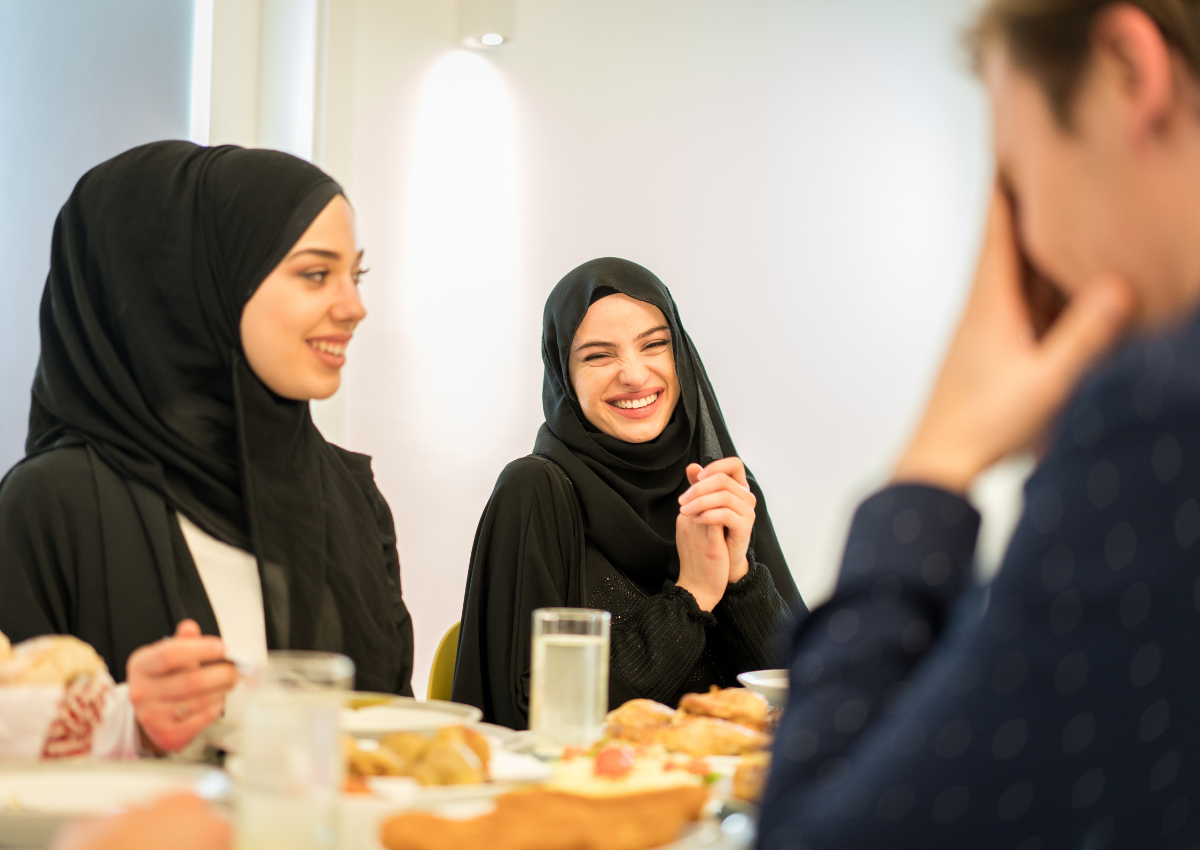
When Does Ramadan 2026 Begin?
Ramadan 2026 is expected to begin on the evening of Monday, February 16, 2026, with the first full day of fasting on Tuesday, February 17, 2026. The exact Islamic date depends on moon sighting, a tradition that connects us to over fourteen centuries of Islamic practice. The holy month will last approximately 29 or 30 days, concluding with Eid al-Fitr on Wednesday, March 18, 2026, or Thursday, March 19, 2026.
Having a Ramadan calendar helps Muslims worldwide plan their spiritual goals, family gatherings, and daily routines around this blessed time. Many families mark their calendars with important dates like the last ten nights when Laylat al-Qadr is sought, creating shared anticipation that strengthens family bonds.
For couples observing Ramadan together, whether newlyweds or those married for years, this month offers unique opportunities to deepen spiritual connection. Through Love, InshaAllah many couples share how fasting and breaking fast together strengthens their marriage and mutual understanding.
Daily Suhoor and Iftar Times
Throughout Ramadan, both suhoor time and iftar time shift gradually as the days lengthen. Suhoor, the pre-dawn meal, must be completed before fajr prayer when fasting begins. Iftar occurs at maghrib prayer time when the sun sets.
In New York, for example, iftar time during mid-February 2026 will be approximately 05:20 PM, gradually extending to about 07:15 PM by mid-March. New York sehri time will similarly shift from around 05:40 AM in mid-February to approximately 05:00 AM by month's end. These times represent the gradual transition from winter into spring, with days growing longer as Ramadan progresses.
Understanding these patterns helps you plan your day effectively, balancing work, family commitments, worship, and rest during this intensive month of spiritual devotion.
How to Find Accurate Iftar Time Today
Checking Your Local Mosque
Your local mosque remains one of the most reliable sources for daily suhoor and iftar times. Most mosques post prayer times prominently and often provide printed Ramadan calendars to community members. These calendars account for your specific location's coordinates, ensuring accuracy.
Many mosques now share prayer times through text message services, mobile apps, or social media pages, making it easy to receive daily updates. This connection to your local mosque also strengthens community bonds—something particularly meaningful during Ramadan when Muslims gather for tarawih prayers and iftar meals.
For those new to an area or seeking community connection, your local mosque becomes more than a place for prayer. It's where friendships form, support systems develop, and Muslims find belonging—aspects that matter greatly for singles seeking marriage partners who share their commitment to faith.
Using Reliable Prayer Time Apps and Websites
Numerous websites and mobile applications provide accurate prayer times based on your location. Popular options include IslamicFinder, Muslim Pro, Athan, and many others that use GPS to determine your exact coordinates and calculate precise prayer times accordingly.
When selecting a prayer time resource, ensure it uses recognized calculation methods approved by Islamic authorities. Different methods may produce slight variations, so consistency matters—choose one reliable source and stick with it throughout Ramadan.
Most apps allow you to set notifications for each prayer time, including alerts before suhoor ends and when iftar time arrives. These technological tools help modern Muslims maintain their spiritual practice amid busy schedules and daily responsibilities.
Iftar Time in Major Cities
New York and East Coast Times
For Muslims living in NYC and surrounding areas, iftar time today during Ramadan 2026 will vary throughout the month. In mid-February through mid-March, iftar time will be approximately:
February 17: Around 05:20 PM
February 24: Approximately 05:30 PM
March 3: About 05:40 PM
March 10: Around 05:51 PM
March 17: Approximately 07:13 PM
York sehri time follows a similar pattern, with suhoor ending progressively earlier as sunrise occurs sooner with the changing season. The East Coast experiences moderate day lengths during mid-February through mid-March, making Ramadan 2026 relatively balanced compared to summer months when fasting days are significantly longer.
Time Zones and Regional Variations
Muslims across the United States experience different iftar times based on their time zone and latitude. Cities further west break their fast later in the evening, while northern cities have longer days than southern locations. This reminds us of Islam's universal nature—Muslims worldwide fast simultaneously according to their local sunset, united in purpose despite geographical differences.
International Muslims experience even greater variety. Those in the Middle East might break fast around the same time throughout the year due to proximity to the equator, while Muslims in northern Europe face exceptionally long fasting days during summer Ramadan and shorter ones in winter.
The Spiritual Significance of Iftar
Breaking Fast with Dates and Water
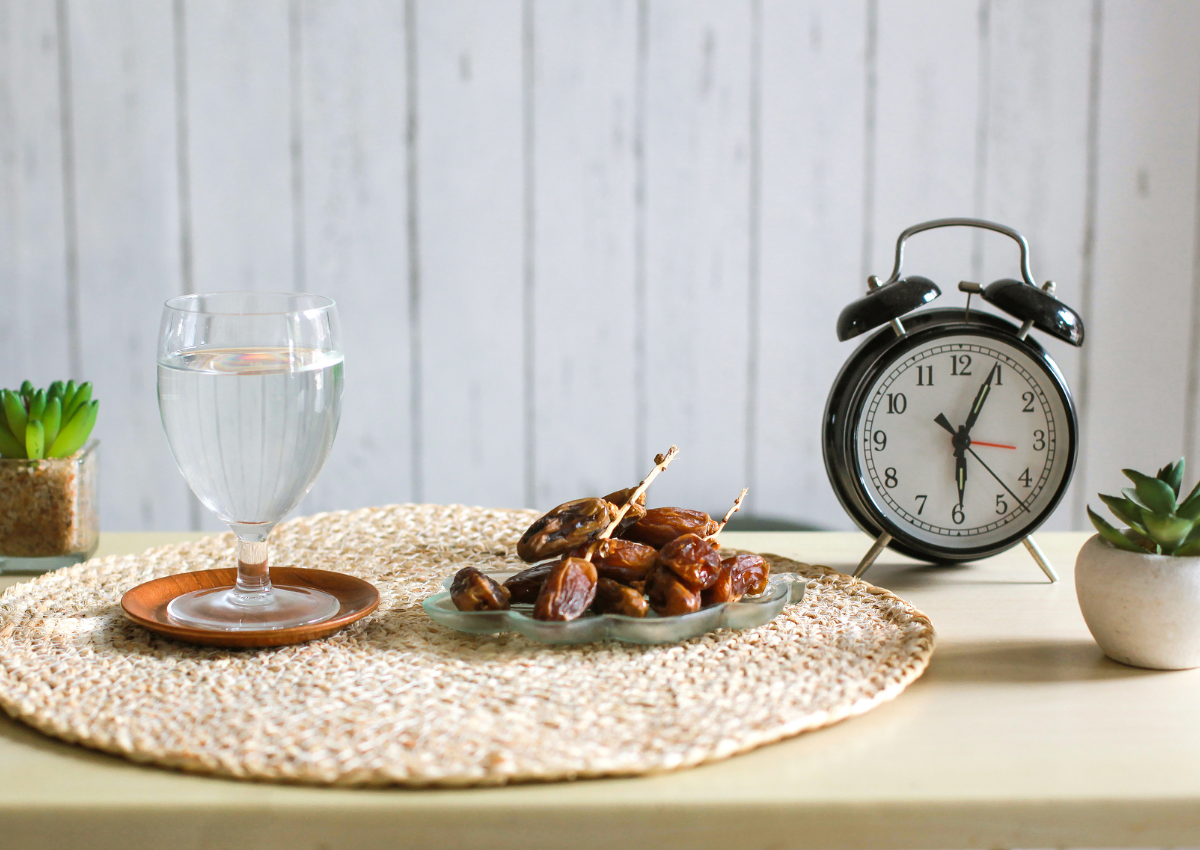
The Prophet Muhammad ﷺ would break his fast with fresh dates and water before performing maghrib prayer. He said: "When one of you breaks his fast, let him break it with dates. If he does not find any, then with water, for it is pure" (Sunan Abu Dawud 2355, Sunan at-Tirmidhi 658).
This practice has both spiritual wisdom and practical benefit. Dates provide quick energy after hours of fasting, while water rehydrates the body. Following this sunnah connects us to prophetic tradition while caring for our physical needs in ways that modern nutrition science confirms as helpful.
Many families make iftar preparation a shared activity, with spouses working together to prepare the meal. Understanding a wife's duties in Islam and a husband's complementary responsibilities helps couples create harmonious Ramadan routines that honor both partners' contributions.
The Dua at Iftar Time
The moment of breaking fast holds special spiritual significance. The Prophet ﷺ said: "Three supplications will not be rejected: the supplication of a parent, the supplication of a fasting person, and the supplication of a traveler" (Sunan Ibn Majah 1752).
This hadith reveals why many Muslims make heartfelt duas just before iftar time today—it's a blessed moment when prayers are especially accepted. Couples often pray together at iftar, making supplications for their marriage, family, and shared goals. Singles might pray for righteous spouses, using this special time to ask Allah for partners who will support their faith journey.
Planning Your Day During Ramadan
Balancing Work and Worship
Modern Muslims often juggle professional responsibilities with Ramadan observance, making time management important. Knowing what time is iftar helps you plan your workday, schedule meetings properly, and make sure you can break your fast on time no matter where you are.
Some Muslims adjust their work hours during Ramadan, starting earlier to leave before iftar. Others take shorter lunch breaks since they're not eating, allowing for earlier departure. These practical adjustments help keep both professional commitments and spiritual priorities intact.
For those working from home, the flexibility allows easier integration of prayer times into the workday. However, the challenge becomes setting boundaries to preserve time for worship, Quran reading, and family connection during this blessed month.
Creating Ramadan Family Traditions
Iftar time becomes a family meeting point during Ramadan, with everyone gathering to break fast together. These daily reunions create powerful traditions, especially for couples raising children. Setting the table together, making dua as a family, and sharing the day's experiences over iftar builds bonds that last far beyond Ramadan.
Many couples use Ramadan to strengthen their marriage through shared spiritual practice. Waking together for suhoor, praying together, reading Quran together, and discussing Islamic teachings deepens both emotional and spiritual intimacy. Through our mission and programs, we support couples in building these faith-centered foundations.
Ramadan for Singles and Couples
Observing Ramadan While Dating
For Muslim singles who are getting to know someone with marriage intentions, Ramadan presents unique considerations. Most scholars advise that interactions before marriage should maintain Islamic boundaries, and these guidelines become even more important during this sacred month.
Understanding whether relationships are permissible before marriage helps singles navigate this season appropriately. Many choose to focus entirely on worship during Ramadan, postponing marriage discussions until after Eid. Others feel that shared Ramadan observance reveals important compatibility factors about a potential spouse's commitment to faith.
If you do communicate with a potential spouse during Ramadan, consider keeping interactions minimal and focused on deepening Islamic knowledge together. Perhaps share what you're learning from Quran or hadith, discuss spiritual goals, or simply check in briefly to exchange greetings and duas.
Newlyweds' First Ramadan Together
A couple's first Ramadan together as husband and wife holds special significance. It's when they establish shared spiritual practices that may continue throughout their marriage—how they wake for suhoor, what duas they make together at iftar, which nights they attend tarawih at the local mosque, how they support each other through the physical challenges of fasting.
These early patterns shape a marriage's spiritual foundation. Couples who establish strong Ramadan traditions from the beginning often find that the month becomes a yearly reset for their relationship, a time to reconnect with Allah and each other, setting aside worldly distractions to focus on what truly matters.
Special Considerations for Iftar Time
Traveling During Ramadan
When traveling during the month of Ramadan, Muslims face questions about iftar time in new locations. Islamic guidance offers flexibility—travelers may continue fasting or postpone their fasts to be made up later, depending on the journey's difficulty.
If you choose to fast while traveling, you'll need to determine iftar time based on your current location, not your home city. This means checking local prayer times wherever you are. Most prayer time apps automatically adjust based on GPS location, making this easier than in previous generations.
The principle here reflects Islam's mercy—Allah doesn't burden souls beyond their capacity. Whether you're traveling for work, family obligations, or other reasons, Islam provides guidance that honors both your spiritual commitment and practical circumstances.
Iftar Time for Those Unable to Fast
Some Muslims cannot fast due to illness, pregnancy, nursing, or other valid reasons. Islamic guidance provides alternatives, such as making up missed days later or feeding the needy for each day not fasted. Even when not fasting, many Muslims maintain connection to Ramadan by preparing iftar for others or joining family for the breaking of fast.
This inclusivity reflects Islam's understanding of human diversity and circumstances. The goal isn't rigid rule-following but sincere worship within our individual capacities, always turning to Allah with humble hearts.
Making the Most of Ramadan
Setting Spiritual Goals
Knowing what time is iftar allows you to structure your day around spiritual goals. Maybe you want to complete the entire Quran during Ramadan, pray all five daily prayers on time, add more voluntary prayers, or work on perfecting your recitation of certain surahs.
The month of Ramadan has a special atmosphere for spiritual growth. The Prophet Muhammad ﷺ said: "When the month of Ramadan starts, the gates of heaven are opened and the gates of Hell are closed and the devils are chained" (Sahih al-Bukhari 1899). This blessed time makes worship easier, distractions fewer, and spiritual progress more achievable.
Community and Connection
Ramadan strengthens community bonds as Muslims gather for iftar meals and tarawih prayers. Your local mosque likely hosts community iftars throughout the month, giving you chances to meet other Muslims, share experiences, and build friendships rooted in faith.
For singles seeking marriage, these community gatherings are natural ways to meet potential partners in appropriate settings. Seeing someone's character during Ramadan—their patience while fasting, their dedication to prayer, their kindness in serving iftar meals—reveals important qualities that photos and profiles cannot capture.
Technology and Ramadan Observance
Setting Reminders and Alerts
Modern technology helps us observe Ramadan better. Set phone reminders for suhoor time so you wake with enough time to eat, drink water, and prepare spiritually before fajr. Set another alert about fifteen minutes before iftar time today, giving you time to make wudu, prepare your iftar, and settle into the moment.
Many families use group chats or apps to coordinate iftar gatherings, share recipes, or simply check in on each other during the day. This digital connection adds to physical community, especially for those far from family or living in areas with small Muslim populations.
Ramadan Apps and Resources
Many apps provide support beyond just prayer times during Ramadan. They might include Quran with translation and audio recitation, hadith collections organized by topic, daily dhikr reminders, or habit trackers for spiritual goals.
Some apps feature Ramadan challenges that make spiritual goals more engaging for younger Muslims. Others provide virtual iftar gatherings where Muslims worldwide break fast together via video call, creating global community in our connected age.
The End of Ramadan and Eid Preparation
The Last Ten Nights
As Ramadan progresses, Muslims intensify their worship during the last ten nights when Laylat al-Qadr, the Night of Power, is believed to occur. The Quran describes this night as "better than a thousand months" (Surah Al-Qadr 97:3), making these final nights the spiritual climax of Ramadan.
Many Muslims perform i'tikaf during these nights, secluding themselves in the mosque for focused worship. Those unable to perform full i'tikaf still increase their prayer, Quran recitation, and dua during these blessed nights, seeking the immense rewards Allah has promised.
Preparing for Eid al-Fitr
As the month draws to a close, families begin preparing for Eid al-Fitr, the joyous celebration that marks Ramadan's end. Knowing the expected Eid date helps with planning—shopping for new clothes, preparing special foods, arranging travel to visit family, and preparing Eid gifts for children.
Eid also involves religious obligations like paying Zakat al-Fitr before the Eid prayer, ensuring that all community members can celebrate with dignity. This final act of Ramadan charity reflects the month's lessons about generosity, community care, and remembering those less fortunate.
Ramadan as a Time for Reflection
The question "what time is iftar" leads to deeper questions about how we spend our time, what we prioritize, and how we balance worldly responsibilities with spiritual obligations. Ramadan invites us to examine our lives, identify what needs changing, and commit to growth that continues beyond this blessed month.
For couples, Ramadan offers annual opportunities to assess and strengthen their marriage. For singles, it's a time to work on self-improvement, becoming the person a future spouse deserves. For everyone, it's a month to deepen our relationship with Allah, purify our hearts, and renew our commitment to living as Muslims who seek to please our Creator in all we do.
Through a Muslim matchmaking program, many individuals find partners who share their commitment to Ramadan and spiritual growth. The shared experience of fasting, praying, and seeking Allah's pleasure creates powerful foundations for marriages that weather life's challenges with faith and patience.
As you check your Ramadan calendar 2026 each day, noting the shifting iftar time and planning your day accordingly, remember that these practical details serve a higher purpose—drawing us closer to Allah, strengthening our faith, and preparing us to be better Muslims, better family members, and better community members throughout the year ahead.
May Allah accept our fasting, forgive our shortcomings, and bless us with Ramadan that transforms our hearts and lives. May each iftar be a moment of gratitude, each suhoor a testament to commitment, and each day of Ramadan a step closer to becoming the believers we aspire to be.