
When Is Eid 2026 and How Should Muslims Prepare for This Blessed Celebration?
As the holy month of Ramadan draws to a close, one question begins to echo across Muslim homes and communities: when is Eid 2026? For many families, Eid marks not only the end of fasting but the beginning of joy, gratitude, and renewed connection with loved ones.
Understanding Eid 2026 requires looking at the Islamic lunar calendar, the sighting of the crescent moon, and the spiritual meaning behind this sacred festival. Whether you are planning gatherings with extended family, preparing for the Eid prayer, or reflecting on your spiritual growth, this guide offers clarity and faith grounded guidance.
What are Islamic Holidays?
Islamic holidays are woven into the rhythm of the Islamic calendar, which follows the lunar cycle and shapes the spiritual life of Muslims worldwide. The two most significant occasions—Eid al-Fitr and Eid al-Adha—stand as pillars of faith, reflection, and community. Eid al-Fitr, also known as Eid ul Fitr, marks the joyful end of the holy month of Ramadan, a time dedicated to fasting, prayer, and spiritual growth. This celebration is a moment for Muslims to express gratitude to Allah, gather with family and friends, and exchange warm greetings that echo across communities.
Eid al-Adha, the Festival of Sacrifice, commemorates the profound faith of Prophet Ibrahim and his willingness to submit to Allah’s command. Both of these Islamic holidays are not only times for celebration but also for acts of charity, compassion, and togetherness. Whether sharing festive meals, offering greetings of “Eid Mubarak,” or reaching out to loved ones, Muslims around the world embrace these occasions as opportunities to strengthen bonds, reflect on their faith, and give back to their communities. Through these celebrations, the values of generosity, unity, and spiritual renewal are brought to life, making each Eid a cherished highlight of the Islamic calendar.
When Is Eid 2026: Dates, Moon Sighting, and Public Holiday Arrangements
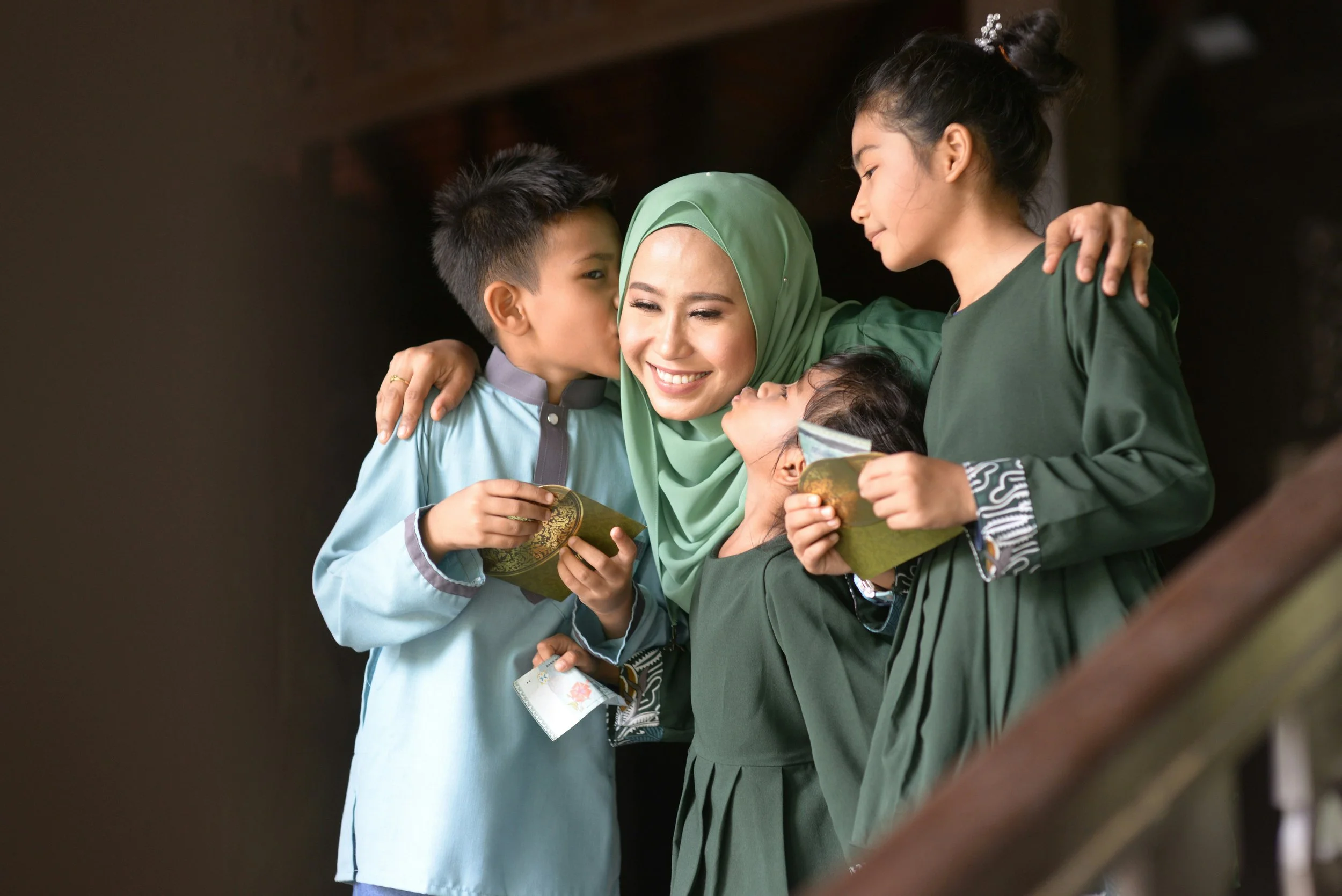
Determining exact dates for eid 2026 depends on moon sightings and regional astronomical calculations. Most Islamic authorities emphasize that sighting of the crescent moon takes precedence over mathematical predictions, maintaining our connection to traditional Islamic practices.
Eid al-Fitr 2026: Breaking the Fast and First Day Celebrations
Fitr 2026 is anticipated to begin on March 20-21, 2026, following the completion of Ramadan’s ninth month. The first day of Shawwal marks this joyous festival when families gather for morning prayer and celebrate breaking the fast period with gratitude and community sharing.
Regional moon-sighting committees will provide official confirmation closer to the date. Many communities prepare for multiple date possibilities, ensuring readiness regardless of the final announcement. This flexibility reflects the beautiful balance between tradition and practical planning in Islamic observance.
Eid al-Adha 2026: The Festival of Sacrifice and Pilgrimage Connection
Eid al adha 2026 is expected to fall around September 27-28, 2026, during the tenth month of Dhu al-Hijjah. The feast follows the Day of Arafat, when pilgrims complete their Hajj journey and Muslims worldwide engage in fasting and supplication.
Most countries designate this as a public holiday lasting 2-4 days, allowing families extended time for worship, celebration, and visiting extended family. Employers typically accommodate these sacred observances with understanding and flexibility.
For accurate preparation, many families check announcements from their local mosque or community centers and monitor updates regarding when the last day of Ramadan .
Understanding Our Sacred Islamic Holidays and the Holy Month
Eid al-Fitr marks the triumphant conclusion of Ramadan, celebrating the spiritual growth and renewed connection with Allah achieved through a month of fasting, prayer, and reflection. The Quran is recited extensively during Ramadan and holds a central place in the spiritual practices leading up to Eid. This eid ul fitr serves as a joyful reward for the dedication shown during the holy month.
Eid al-Fitr is celebrated by Muslims worldwide as it marks the end of the month-long fasting during Ramadan.
Eid al-Adha, occurring during the Hajj pilgrimage season, commemorates Prophet Ibrahim’s (peace be upon him) willingness to sacrifice his son in obedience to Allah. This Festival of Sacrifice emphasizes submission, gratitude, and sharing with those in need.
The islamic calendar follows lunar cycles, causing these sacred dates to shift approximately 10-11 days earlier each year compared to the Gregorian calendar. This natural progression ensures that eid celebrations eventually occur during every season, allowing muslims worldwide to experience these blessings in different settings.
The Spiritual Meaning of Eid al Fitr
Eid al Fitr, often called the “Festival of Breaking the Fast,” marks the completion of a month of fasting, prayer, and self discipline.
Allah says in the Qur’an:
“The month of Ramadan in which was revealed the Qur’an, a guidance for mankind and clear proofs of guidance and criterion.”Surah Al Baqarah 2:185
Eid celebrates not only the end of hunger during daylight hours but the deeper transformation achieved during the sacred month. Many Muslims reflect on how Ramadan strengthened patience, generosity, and awareness of Allah.
The Prophet ﷺ emphasized gratitude and joy on this day. When he arrived in Madinah, he told the people that Allah had replaced their previous days of celebration with two better days, one of them being Eid al Fitr. This narration is reported in Sunan Abu Dawud.
Eid therefore becomes a moment of spiritual completion and heartfelt gratitude.
The spiritual transformation achieved during Ramadan is meant to continue beyond Eid al-Fitr, as families continue to nurture these values and spiritual growth throughout the year.
How Eid 2026 Will Be Observed by Muslims Worldwide
Although customs differ across regions, core elements of Eid celebrations remain consistent across the Muslim world.
The Eid Prayer
Eid morning begins with a special Eid prayer performed in congregation. Men, women, and children gather at mosques, open fields, or community centers for Salat al Eid.
The Prophet ﷺ encouraged Muslims to attend the Eid prayer and to express joy openly within the bounds of dignity and faith.
Zakat al Fitr Before Eid
Before the Eid prayer, Muslims are required to give Zakat al Fitr, a charitable contribution that ensures poor persons can also celebrate.
The Prophet ﷺ said:
“The Messenger of Allah made Zakat al Fitr obligatory as a purification for the fasting person from idle talk and obscenity and as food for the poor.”
Sunan Abu Dawud 1609
This act of charity reflects the social and compassionate dimension of Eid.
Eid Festivities and Cultural Diversity
Across muslims worldwide, Eid al Fitr is celebrated with warmth and beauty. Families wear new clothes, exchange gifts, and visit friends and extended family.
Common traditions include:
Sharing festive meals and sweet dishes
Offering warm greetings such as “Eid Mubarak”
Visiting relatives and reconnecting with loved ones
Hosting social gatherings and community events
Despite cultural diversity from India to the Middle East and beyond, the heart of the occasion remains the same: gratitude, unity, and joy after fasting.
Preparing for Eid 2026 During the Final Days of Ramadan
Preparation for Eid 2026 begins before Ramadan ends. Many families use the final nights for increased worship and reflection.
You may consider:
Confirming Iftar Time to organize final gatherings
Reviewing the expected date for when is the last day of ramadan
Sharing thoughtful Ramadan Mubarak Wishes with friends
Planning Zakat al Fitr payments in advance
These final steps allow the transition from fasting to celebration to feel intentional rather than rushed.
Community and Social Responsibility During Eid
Eid celebrations are deeply rooted in the spirit of community and social responsibility. As many Muslims gather for the special Eid prayer, performed in congregation at mosques or open spaces, a sense of unity and shared purpose fills the air. The prayer is often followed by a heartfelt khutbah, reminding everyone of the importance of charity, compassion, and forgiveness during this blessed occasion.
A key tradition is the giving of zakat al fitr, a charitable donation that ensures everyone, regardless of their circumstances, can join in the joy of Eid. This act of charity is not only a religious obligation but also a powerful expression of empathy and social care. Community centers and local mosques play a vital role by organizing festive meals, night prayers, and social gatherings, where families and friends come together to celebrate, share blessings, and extend peace to all.
These gatherings foster a welcoming environment, encouraging Muslims to reach out to neighbors and those in need, regardless of background or faith. By prioritizing community and social responsibility, Eid becomes more than a personal celebration—it transforms into a time of collective joy, generosity, and harmony, spreading blessings and peace throughout society.
Strengthening Relationships Through Eid
Eid is not only a religious event but also an opportunity to strengthen family bonds and reflect on marriage goals.
Many individuals who have spent Ramadan reflecting on their future begin preparing emotionally for long term commitment. Platforms like Love, Inshallah encourage Muslims to carry Ramadan’s sincerity into relationship decisions.
Those actively seeking marriage often explore structured support through a Muslim matchmaking program, designed to connect individuals with shared values and long term intentions.
You can also learn more about faith centered community support through our mission and programs, which aim to nurture meaningful connections rooted in Islamic principles.
A Short Reflection on Eid 2026
So, when is Eid 2026? It will be confirmed by the sighting of the crescent moon in March 2026, marking the joyful end of Ramadan and the beginning of Shawwal.
More importantly, Eid 2026 will be a day of gratitude, charity, and celebration. It reminds Muslims that after discipline comes joy, after fasting comes breaking the fast, and after effort comes blessing.
May Allah accept your fasting, grant peace to your family, and allow you to celebrate Eid with hearts full of gratitude and joy. Eid Mubarak.