

Understanding what is forbidden in Islam marriage helps Muslims navigate the path toward blessed unions while honoring divine guidance. Islamic law provides clear boundaries that protect family structures, preserve lineage, and ensure the well being of all family members. Rather than viewing these guidelines as restrictions, we can appreciate them as wisdom from Allah designed to safeguard human dignity and create healthy foundations for family life.
The marriage bond in Islam is a holy bond that unites human beings in love, commitment, and mutual support, serving as the foundation of Islamic society.
The Holy Quran outlines marriage prohibitions with remarkable clarity, ensuring that Muslims can confidently identify suitable partners while avoiding relationships that Islamic teachings consider inappropriate. These guidelines have protected Muslim communities for over fourteen centuries, reflecting divine understanding of human nature and social harmony.
Whether you are beginning your search for a spouse or simply seeking knowledge about Islamic principles, this guide explains the categories of prohibited marriage with compassion, accuracy, and practical relevance for modern Muslims.
The Quranic Foundation for Marriage Prohibitions
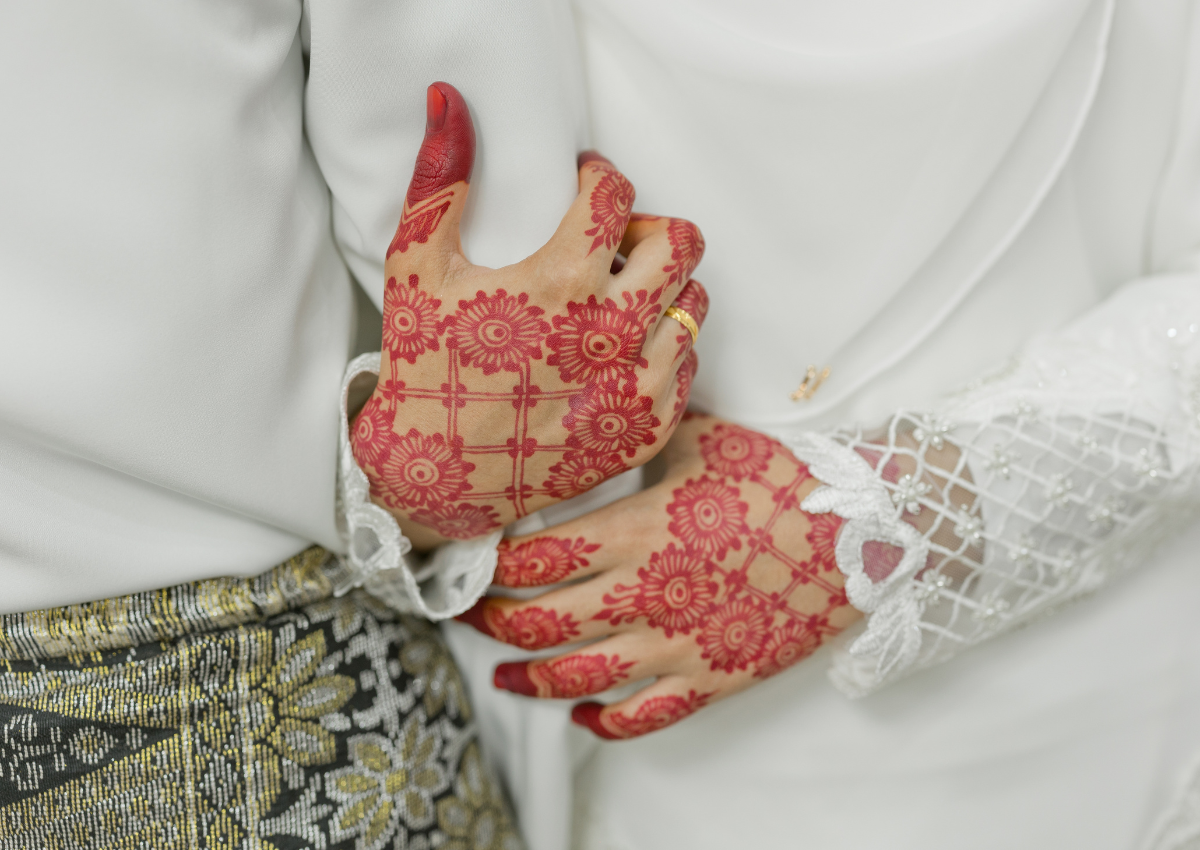
Allah provides comprehensive guidance about marriage prohibitions in Surah An-Nisa, where the categories of women a Muslim man cannot marry are clearly listed. This verse serves as the primary source for understanding what is forbidden in Islam marriage:
“Prohibited to you (for marriage) are: your mothers, your daughters, your sisters, your father’s sisters, your mother’s sisters, your brother’s daughters, your sister’s daughters, your foster mothers who nursed you, your foster sisters, your wives’ mothers, your step-daughters under your guardianship born of your wives with whom you have consummated marriage—but if you have not consummated the marriage with them, there is no sin upon you—and the wives of your sons who are from your own loins, and that you take two sisters simultaneously, except for what has already occurred. Indeed, Allah is Forgiving and Merciful” (Surah An-Nisa, 4:23).
In addition to Surah An-Nisa, Surah An-Nur also provides important guidance on proper conduct, modesty, and social boundaries between non-mahram individuals, reinforcing the principles that govern interactions and relationships in Islam.
This single verse encompasses most prohibited categories, demonstrating how Islamic law provides clear, accessible guidance for such important matters. The wisdom behind each prohibition reflects Allah’s perfect knowledge of human relationships and the importance of maintaining healthy family structures.
Prohibited Blood Relations (Mahram)
The first category of prohibited marriages involves close blood relations, known as mahram relationships. These prohibitions exist permanently and cannot be changed under any circumstances.
Direct Ascending and Descending Relations
A Muslim man cannot marry women in his direct lineage. This includes his mother and grandmothers (both maternal and paternal, going back through all generations) as well as his daughters and granddaughters (through sons or daughters, continuing through all generations). These relationships represent the closest family bonds, and marriage between such relatives is strictly prohibited across all cultures and religious traditions.
Sisters and Their Descendants
The prohibition extends to sisters, whether full sisters (sharing both parents), half sisters from the father\’s side, or half sisters from the mother\’s side. This protection ensures that sibling relationships remain pure and familial rather than romantic.
Additionally, a man cannot marry his brother\’s daughters or sister\’s daughters (nieces). This prohibition encompasses nieces from all siblings, whether full or half siblings, protecting the extended family structure.
Paternal and Maternal Aunts
Father\’s sisters and mother\’s sisters are also among the prohibited categories. A man cannot marry his paternal aunts or maternal aunts, regardless of whether they are full or half sisters of his parents. This prohibition extends to all generations, including great aunts.
The wisdom behind prohibiting marriage to blood relations includes protecting genetic health, preserving family harmony, and maintaining clear familial roles. When family members know their relationships are permanently defined, it creates security and appropriate boundaries within households.
Prohibited In-Law Relationships
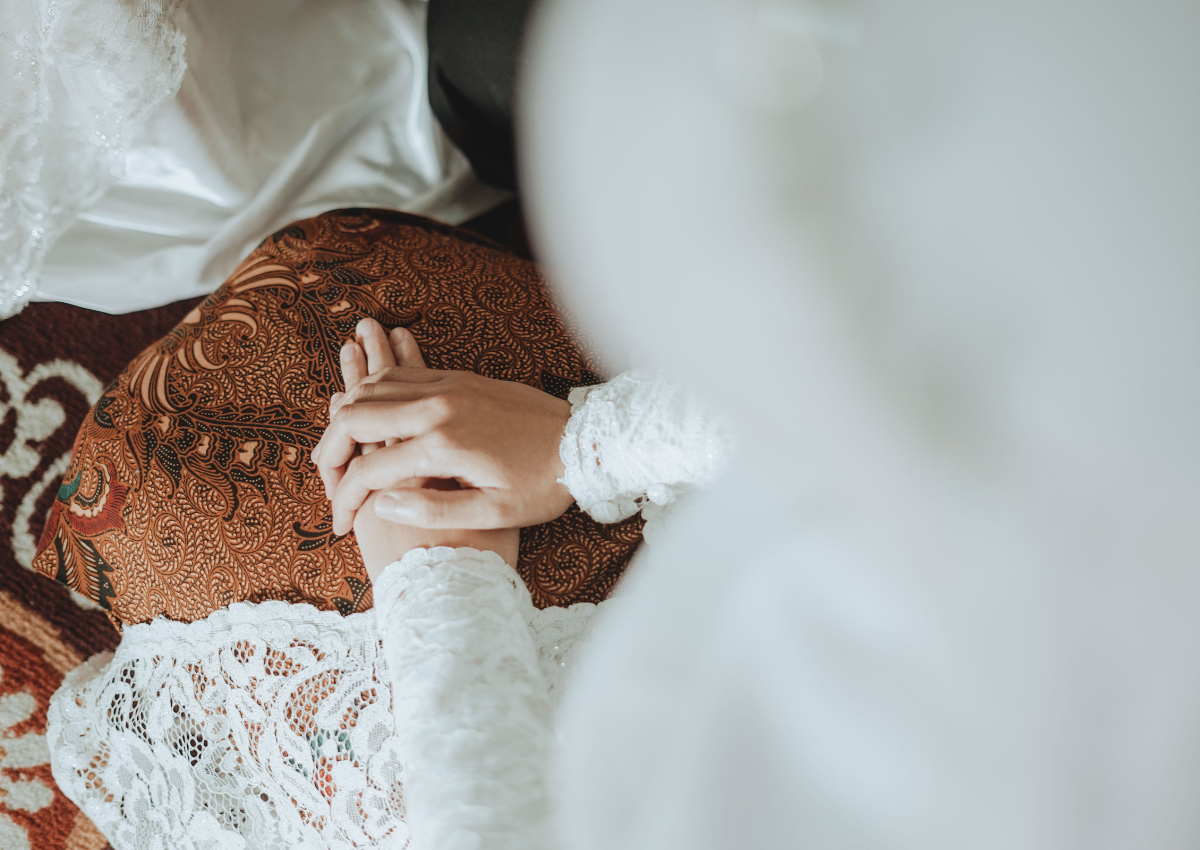
Marriage in Islam also prohibits certain relationships created through marriage itself. These prohibitions protect the sanctity of family bonds formed through marital unions.
Additionally, the marriage ceremony in Islam typically includes the presence of a male guardian for the bride, usually her father, and two witnesses, highlighting the father\’s role as guardian and his responsibility within Islamic law and social structure.
Mothers in Law
Once a man enters into a marriage contract with a woman, her mother becomes permanently prohibited to him, even if he never consummated the marriage and later divorced. The marriage contract alone establishes this prohibition. This includes the wife\’s mother and all her grandmothers, both maternal and paternal.
This prohibition creates clear boundaries within extended families, ensuring that a man\’s relationship with his mother in law remains respectful and familial rather than potentially complicated by other considerations.
Step Daughters
A man cannot marry his step daughters (his wife\’s daughters from previous marriages) if he has consummated his marriage with their mother. The Quran specifies this condition clearly: if the marriage was not consummated before divorce or the wife\’s death, then the step daughter does not become prohibited.
This ruling protects children within blended families, ensuring they can feel safe and secure in their stepfather\’s home without any ambiguity about the nature of their relationship.
Daughters in Law
The wives of a man\’s own sons are permanently prohibited to him. The Quran specifically mentions the wives of your sons who are from your own loins, distinguishing biological sons from adopted sons. This prohibition preserves the honor of family relationships across generations.
Understanding these in-law prohibitions helps families maintain appropriate boundaries while building loving, respectful extended family relationships.
Prohibition Through Breastfeeding (Rada\’ah)
Islamic law recognizes that breastfeeding creates family bonds similar to blood relations. The Prophet Muhammad (peace be upon him) said, What becomes unlawful through breastfeeding is that which becomes unlawful through blood ties (Sahih al-Bukhari, 2645).
Foster Mothers and Foster Sisters
A man cannot marry women who breast fed him during infancy (foster mothers) or women who were breast fed by the same woman (foster sisters). This prohibition extends to the foster mother\’s other relatives in the same pattern as blood relations.
Most scholars agree that the breastfeeding must have occurred during the first two years of life to establish these prohibitions. The Quran states: Mothers may breastfeed their children two complete years (Surah Al-Baqarah, 2:233), and scholars use this verse to define the timeframe during which nursing creates mahram relationships.
The number of breastfeeding sessions required to establish prohibition is debated among scholars. According to hadith narrated in Sahih Muslim, Aisha (may Allah be pleased with her) reported that the Prophet (peace be upon him) said, One or two sucklings do not make breastfeeding prohibited (Sahih Muslim, 1450). Many scholars require five or more separate nursing sessions to establish the prohibition.
This aspect of Islamic law demonstrates the profound respect Islam gives to the nursing relationship, recognizing that the woman who nourishes a child creates bonds deserving of familial honor and protection.
The Prohibition of Marrying Two Sisters Simultaneously
Islamic guidance specifically prohibits a man from being married to two sisters at the same time. The Quran states this clearly in the verse from Surah An-Nisa mentioned earlier: “and that you take two sisters simultaneously.”
This prohibition extends beyond biological sisters to include a woman and her paternal or maternal aunt. The Prophet (peace be upon him) said, “A woman should not be married to a man who is already married to her paternal aunt, nor should a woman be married to a man already married to her maternal aunt” (Sahih al-Bukhari, 5109).
The wisdom behind this ruling protects sisterly bonds from the jealousy and competition that might arise if sisters shared a husband. Islam values family harmony and recognizes that such arrangements could damage precious sibling relationships.
While Islam allows a man to marry more than one woman, the maximum number permitted is four wives at a time, but a woman can only be married to one man at a time.
However, if a man’s wife passes away or they divorce and complete the waiting period, he may then marry her sister. The prohibition applies only to simultaneous marriage, not sequential marriage to sisters.
Marriage to Already Married Women
A Muslim man cannot marry a woman who is already married to someone else. The Quran includes “married women” among the prohibited categories in Surah An-Nisa, 4:24. This protection preserves the sanctity of existing marriage bonds and prevents the confusion of lineage.
However, Islam permits a Muslim man to marry other women, up to four, provided he treats all wives with justice and fairness. In such cases of polygyny, the groom is required to provide each wife with her own mahr, a gift that is for her exclusive use.
The Waiting Period (Iddah)
Even after divorce or a husband\’s death, a woman must observe a waiting period before remarrying. For divorced women, this period typically lasts three menstrual cycles. For widows, the waiting period extends to four months and ten days.
The Quran addresses this: Divorced women remain in waiting for three periods (Surah Al-Baqarah, 2:228). During this time, a woman cannot enter into a new marriage contract. This requirement ensures clarity regarding potential pregnancy and provides time for emotional healing and, in cases of revocable divorce, possible reconciliation.
Interfaith Marriage Considerations
Islamic teachings provide specific guidance regarding marriage between Muslims and people of other faiths. Understanding these guidelines helps Muslims make informed decisions while respecting both Islamic principles and the complexities of modern life.
In addition to religious requirements, it is important to consider the role of a civil ceremony and civil registration of marriages, especially in non-Muslim countries. Civil ceremonies ensure that the marriage is legally recognized by the state, which is crucial for securing legal rights such as inheritance and divorce protection. Civil registration provides legal documentation and safeguards for both spouses, complementing the religious aspects of marriage.
Muslim Men and Non-Muslim Women
Islamic law traditionally permits a Muslim man to marry Jewish and Christian women (People of the Book). The Quran states: And lawful to you are the chaste women from among the believers and the chaste women from among those who were given the Scripture before you, when you have given them their due compensation, desiring chastity, not unlawful sexual intercourse or taking secret lovers (Surah Al-Ma\’idah, 5:5).
However, most scholars advise marrying within the faith for greater religious harmony, particularly regarding children\’s upbringing and household religious practices. The permission exists, but wisdom and careful consideration should guide such decisions.
Marriage to polytheist women or women who do not follow any Abrahamic faith is traditionally discouraged by scholarly consensus, based on the verse: And do not marry polytheistic women until they believe (Surah Al-Baqarah, 2:221).
Muslim Women and Non-Muslim Men
The traditional consensus across Sunni scholars and other schools holds that a Muslim woman cannot marry a non Muslim man, whether he is from the People of the Book or otherwise. This position reflects concerns about the wife\’s ability to practice her faith freely and the religious environment for raising children.
While some contemporary scholars have revisited this discussion, the majority opinion maintains the traditional view. Muslim women seeking marriage are encouraged to find partners who share their Islamic values and commitment to faith.
For those navigating the search for compatible Muslim partners, platforms like Love, InshaAllah help connect single Muslims with sincere intentions toward building blessed marriages.
Other Important Marriage Prohibitions

Beyond the categories already discussed, Islamic teachings address several additional situations that affect marriage validity.
Secret relationships, including dating and extramarital affairs, are strictly prohibited in Islam. Islam categorically condemns secret relationships and extramarital intimacy, emphasizing chastity and lawful marriage to protect societal morals and individual integrity. Infidelity (zina) is considered one of the gravest sins in Islam and is a direct violation of the marriage contract.
Anal intercourse is unanimously forbidden in Islam and considered a grave sin. Additionally, intercourse during a woman\’s menstrual period and postpartum bleeding is prohibited, though other forms of intimacy are allowed.
Marrying During Ihram
A person in the state of ihram (during Hajj or Umrah pilgrimage) cannot contract marriage. The Prophet (peace be upon him) said, A person in ihram should not marry, nor arrange the marriage of another, nor propose marriage (Sahih Muslim, 1409). This prohibition is temporary, lasting only until the pilgrimage rituals are complete.
The Li\’an Prohibition
If a husband and wife go through the li\’an process (mutual cursing due to accusations of adultery without witnesses), they become permanently prohibited to each other and can never remarry, even if both later wish to reconcile.
Fifth Wife for Men in Polygynous Marriages
While Islamic law permits a man to marry up to four wives simultaneously under strict conditions of justice and equal treatment, marrying a fifth wife while married to four others is not permitted. This limitation is stated in the Quran: “Then marry those that please you of women, two or three or four” (Surah An-Nisa, 4:3).
If a marriage becomes untenable, either spouse has the right to seek divorce according to Islamic law, following the proper procedures.
What IS Permitted in Islamic Marriage
Understanding prohibitions becomes clearer when we also recognize what Islamic law does permit. Knowing the boundaries helps Muslims confidently pursue marriages that are completely halal.
Islam encourages arranged marriages, where parents or guardians help select a spouse for their children. However, mutual consent of both the bride and groom is essential, and both must freely agree to the marriage for it to be valid.
Islamic marriage is based on mutual consent and the agreement of both parties involved. Both the bride and groom must freely consent to the marriage.
Within an Islamic marriage, both spouses have specific marital rights and responsibilities, and mutual respect is a core value. The roles of husband and wife are clearly defined, with the husband typically being the breadwinner and the wife responsible for the home and children.
First Cousins and Extended Family
Unlike some cultures that prohibit cousin marriage, Islamic law permits marriage between first cousins and more distant relatives who are not in the prohibited categories. The Prophet Muhammad (peace be upon him) married his daughter Fatimah to Ali ibn Abi Talib, who was his cousin.
While permitted, couples considering cousin marriage may wish to seek genetic counseling, as repeated cousin marriages over generations can increase certain health risks. The permissibility in Islamic law does not negate the wisdom of considering all factors in choosing a spouse.
Remarriage After Divorce
Islam permits divorced individuals to remarry, either to new partners or even to each other (with certain conditions after an irrevocable divorce). This flexibility acknowledges human complexity and allows for fresh starts.
To understand more about the Islamic marriage contract and its beautiful significance, exploring what is Nikkah provides valuable foundation for those preparing for marriage.
The Wisdom Behind Marriage Prohibitions
Every prohibition in Islamic law serves a purpose rooted in divine wisdom. The boundaries around marriage protect several important values:
Family Harmony: By clearly defining which relationships must remain familial, Islam prevents confusion and competition within families. A man can have a purely supportive relationship with his sister in law without any ambiguity.
Protection of Lineage: Marriage prohibitions help ensure clarity about parentage and family lines, which affects inheritance, family identity, and social structure.
Psychological Safety: Children and vulnerable family members benefit from knowing their relationships with guardians and relatives are permanently defined and safe.
Social Stability: Clear boundaries prevent the disruption and conflict that could arise from inappropriate relationships within extended families. These prohibitions are observed across Islamic countries, reflecting the shared values and legal standards of Muslim societies.
Genetic Health: While not the primary reason, prohibitions against marrying close blood relations also protect against genetic complications that can arise from consanguineous marriages over generations.
Islamic marriage is intended to provide a stable and righteous environment for raising children.
Understanding these wisdoms helps Muslims appreciate that Islamic guidance serves human well being rather than arbitrary restriction.
Navigating the Search for a Halal Partner
With clear understanding of what is forbidden in Islam marriage, Muslims can approach the search for a spouse with confidence. The vast majority of potential partners fall outside prohibited categories, leaving abundant opportunity to find compatible matches.
When seeking a spouse, focus on the qualities the Prophet (peace be upon him) recommended: A woman is married for four things: her wealth, her family status, her beauty, and her religion. So you should marry the religious woman; otherwise you will be unsuccessful (Sahih al-Bukhari, 5090). This guidance applies equally when evaluating potential husbands.
A thoughtful Muslim matchmaking program can help connect you with partners who share your values and meet all Islamic requirements for a blessed marriage. The support of family and community, combined with sincere dua, guides hearts toward suitable matches.
For daily inspiration on building loving relationships rooted in faith, beautiful quotes for love from Islamic tradition remind us of the tenderness and mercy Allah places between married hearts.
Frequently Asked Questions
Can a Muslim man marry his wife\’s sister after divorce?
Yes, after completing the waiting period (iddah) following divorce or the wife\’s death, a man may marry his former wife\’s sister. The prohibition applies only to simultaneous marriage to two sisters, not to marrying them sequentially.
Is marrying first cousins considered haram in Islam?
No, marrying first cousins is permitted in Islamic law. There is no prohibition against this in the Quran or authentic hadith. However, couples may wish to consider genetic counseling if there is a family history of hereditary conditions or if cousin marriages have been common in the family over multiple generations.
What happens if someone unknowingly marries a prohibited relative?
If a prohibited relationship is discovered after marriage, the marriage contract is considered invalid from the beginning. The couple must separate, but they are not held sinful for what they did not know. Any children from such a union are still considered legitimate. Consulting knowledgeable Islamic scholars helps navigate such sensitive situations with wisdom and care.
Can a Muslim woman marry a Christian or Jewish man?
According to the majority of scholars across Islamic history, a Muslim woman cannot marry a non-Muslim man, including Christians and Jews. This position differs from the ruling for Muslim men, who are permitted to marry women from the People of the Book. Muslim women seeking marriage are encouraged to find partners who share their Islamic faith.
Is temporary marriage (mut\’ah) permitted?
Temporary marriage, known as mut\’ah, is practiced in some Shia communities but is considered prohibited by Sunni scholars based on hadith indicating the Prophet (peace be upon him) forbade it. Sunni school teachings hold that mut\’ah was initially permitted but later abrogated and made impermissible. Muslims should follow the guidance of their scholars and community on this matter.
Final Thoughts
Understanding what is forbidden in Islam marriage empowers Muslims to pursue blessed unions with clarity and confidence. These divine guidelines protect families, preserve dignity, and create conditions where love and mercy can flourish between spouses.
The boundaries Allah has established reflect perfect wisdom about human nature and social harmony. By honoring these guidelines, Muslims participate in a tradition that has nurtured healthy families for generations. May Allah guide every Muslim toward a marriage that brings tranquility, love, and spiritual growth. Ameen.