
Suhoor Time Guide for 2026: Accurate Timings and Spiritual Preparation for Ramadan
The holy month of Ramadan brings Muslims worldwide into a beautiful rhythm of spiritual discipline and divine connection. Understanding accurate suhoor and iftar timings becomes more than mere scheduling; it transforms into sacred appointments with our Creator.
Allah reminds us in the Quran: "O you who believe! Fasting is prescribed for you as it was prescribed for those before you, that you may become righteous" (Surah Al-Baqarah 2:183). This divine guidance emphasizes how proper timing serves our spiritual growth during this blessed month.
Ramadan 2026 is expected to begin on the evening of Monday, February 17, 2026, with the first day of fasting on Tuesday, February 18, 2026, though the exact date depends on moon sighting. A reliable Ramadan calendar becomes an essential companion, providing accurate sehri time and iftar time that honor both our spiritual obligations and practical needs.
Suhoor Time 2026: The Blessed Pre-Dawn Meal
What Makes Suhoor Special
Islamic tradition emphasizes the importance of suhoor, that quiet pre-dawn moment when we prepare our bodies and souls for the day ahead. The Prophet Muhammad ﷺ said: "Take suhoor as there is a blessing in it" (Sahih al-Bukhari 1923, Sahih Muslim 1095).
Suhoor time 2026 will vary throughout Ramadan based on your location and the gradual shift in sunrise. In New York, sehri time is expected to range from approximately 05:12 AM in mid-February to 05:48 AM by mid-March as fasting begins earlier each day. This sacred hour invites us to wake before dawn, offering precious opportunities for prayer, reflection, and nourishment.
The pre-dawn meal serves as more than physical preparation. It connects us to the global Muslim community, all rising together in these quiet hours to seek Allah's guidance and strength for the fasting day ahead.
When Does Suhoor End?
Most scholars advise that suhoor must be completed before fajr prayer time, which marks when fasting officially begins. The exact moment varies daily as sunrise shifts throughout Ramadan, making it essential to check your Ramadan calendar each day or use reliable timing apps.
The Prophet ﷺ encouraged delaying suhoor until close to fajr time, maximizing the blessing period. He said: "The people will continue to be upon goodness as long as they hasten to break the fast and delay the suhoor" (Musnad Ahmad).
In practical terms, this means waking at least 30 to 45 minutes before fajr begins, allowing sufficient time to eat, drink, and prepare spiritually without rushing. This approach honors both prophetic guidance and the practical realities of maintaining energy throughout the fasting day.
Iftar Time: Breaking the Fast with Gratitude
Understanding Iftar Timing
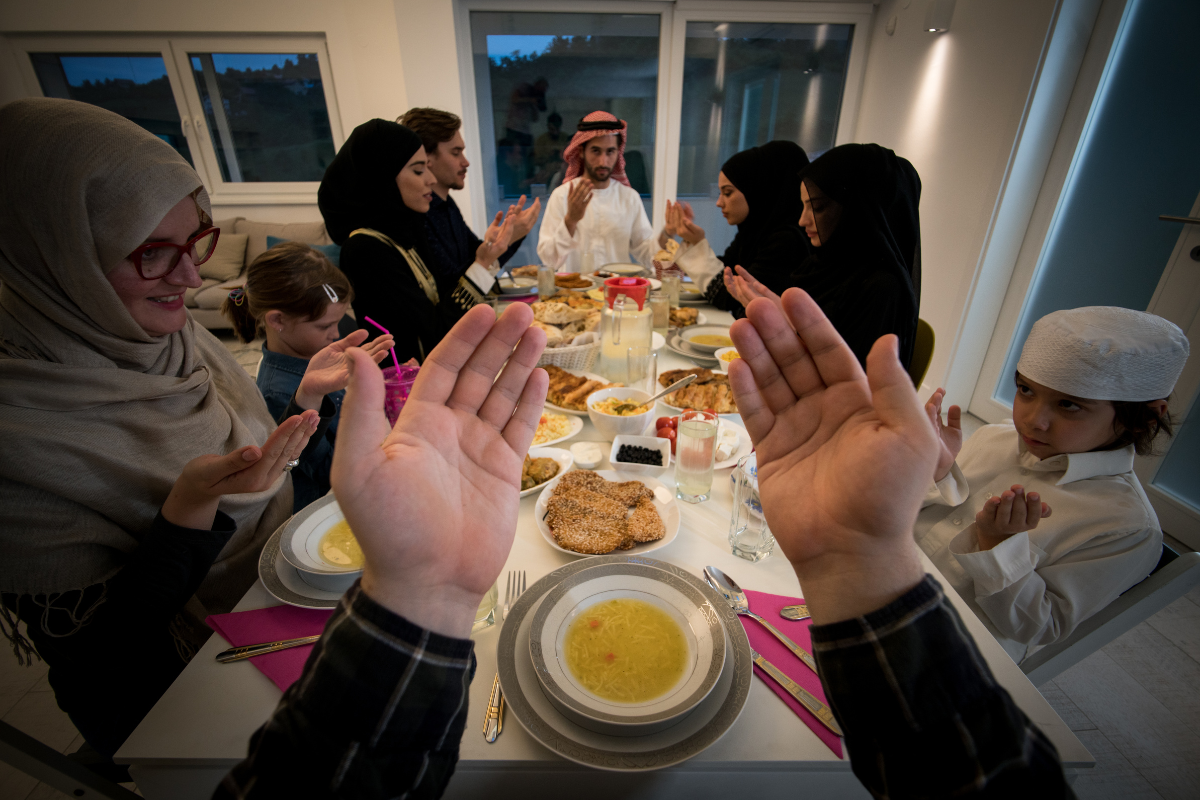
As the sun begins its descent, hearts across the world turn toward the blessed moment of iftar. This isn't simply about ending the fast; it's about returning to Allah's bounty with deep gratitude and renewed appreciation.
Iftar time coincides with maghrib prayer, which occurs at sunset. In New York during Ramadan 2026, iftar timing is expected to range from approximately 05:22 PM in mid-February to 05:46 PM by mid-March, shifting later each day as sunset moves forward. These times will vary significantly for other cities based on geographical location.
The connection between maghrib prayer and iftar time reflects Islam's holistic approach to worship, where physical and spiritual needs harmoniously complement each other. Many find that this daily rhythm deepens their connection to both faith and community.
The Prophetic Way of Breaking Fast
The Prophet Muhammad ﷺ would break his fast with fresh dates and water before performing maghrib prayer. If dates weren't available, he would use water alone. This practice offers both spiritual significance and practical wisdom, as dates provide quick energy while being gentle on an empty stomach.
After this initial breaking of the fast, Muslims traditionally pray maghrib before sitting down for the full iftar meal. This sequence prioritizes spiritual obligations while acknowledging physical needs.
Through Love, InshaAllah many Muslim couples discover that sharing iftar together during Ramadan strengthens their spiritual bond and mutual understanding. The experience of fasting and breaking fast together builds empathy, patience, and support, qualities that form the foundation of strong Islamic marriages.
Ramadan 2026 Calendar: Key Dates and Planning
Expected Start and End Dates
Ramadan 2026 is anticipated to begin on the evening of Monday, February 17, 2026, with the first full day of fasting on Tuesday, February 18, 2026. The holy month will conclude approximately 29 or 30 days later, with Eid al-Fitr expected on Wednesday, March 19, 2026, or Thursday, March 20, 2026, depending on moon sighting.
Islamic scholars recommend preparing both practically and spiritually for Ramadan's arrival. The exact start date depends on moon sighting, a beautiful reminder of Islam's connection to natural rhythms. The Prophet ﷺ said: "Fast when you see it (the new moon) and break your fast when you see it" (Sahih al-Bukhari 1909).
Key dates to mark on your Ramadan calendar for 2026:
February 17, 2026: Expected start of Ramadan (evening)
February 18, 2026: First day of fasting
March 8 to 17, 2026: Last ten nights (seeking Laylat al-Qadr)
March 18 or 19, 2026: Last day of fasting
March 19 or 20, 2026: Eid al-Fitr celebration
Laylat al-Qadr: The Night of Power
Laylat al-Qadr represents the most blessed night of Ramadan. The Quran describes it as "better than a thousand months" (Surah Al-Qadr 97:3), making it the pinnacle of spiritual opportunity during the holy month.
Most scholars advise seeking Laylat al-Qadr during the odd nights of the last ten days, specifically the 21st, 23rd, 25th, 27th, or 29th night. In 2026, these nights are expected to fall between March 8 and March 17, with the 27th night (approximately March 14 to 15, 2026) traditionally observed as most likely.
Muslims intensify their worship during these final nights, spending time in prayer, Quran recitation, and making heartfelt dua. Many perform i'tikaf (spiritual retreat) in the mosque, dedicating these precious days entirely to worship.
Suhoor Time Variations Across Different Cities
New York Sehri Time 2026
For Muslims in New York, suhoor time 2026 will begin around 05:12 AM during the early days of Ramadan in mid-February, gradually shifting to approximately 05:48 AM by mid-March. These times represent the latest moment to complete suhoor before fajr prayer begins.
New York iftar time will similarly shift throughout the month, starting around 05:22 PM in mid-February and extending to approximately 05:46 PM by mid-March. These gradual changes reflect the lengthening days as we move from late winter into early spring.
Planning your daily schedule around these shifting times helps maintain consistency in worship while accommodating work, family, and community commitments. Many Muslims in New York connect with our mission and programs to build supportive communities that encourage balanced Ramadan observance.
Timing Variations in Other Cities
While this guide provides New York sehri time as a reference, Muslims in other cities worldwide will have different timings based on their geographical location. Cities further north will generally have later sunrise and sunset times, while those closer to the equator experience more consistent day lengths.
Major cities across the United States and around the world offer their own unique fasting schedules. Los Angeles suhoor time will be approximately 30 to 45 minutes later than New York, while Chicago timings closely align with New York. London fasting hours will be significantly different due to its northern latitude, and Dubai will have its own distinct patterns.
The universal nature of Islamic worship adapted to local conditions reminds us of Islam's flexibility and the global unity of Muslims observing Ramadan simultaneously despite different timings.
Practical Wisdom for Meaningful Suhoor and Iftar
Creating a Nourishing Suhoor Routine
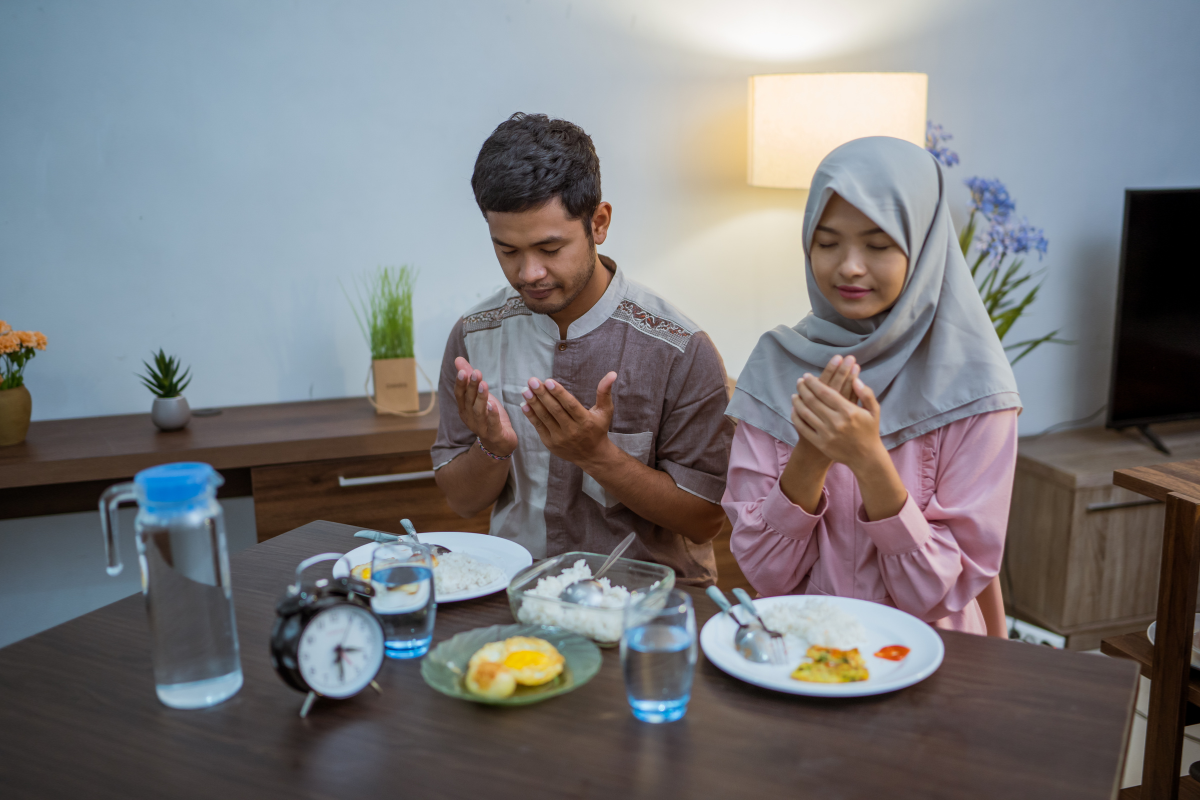
Creating a nourishing suhoor routine involves more than just eating before dawn. Islamic guidance encourages choosing foods that provide sustained energy while remaining mindful of spiritual preparation through prayer and reflection.
Most nutritionists and Islamic scholars recommend for suhoor:
Complex carbohydrates like oatmeal, whole grain bread, or brown rice that release energy slowly
Protein rich foods such as eggs, yogurt, or lean meats to help you feel fuller longer
Fresh fruits and vegetables for vitamins and natural hydration
Plenty of water to stay hydrated throughout the day
Dates, following prophetic tradition and benefiting from their natural energy boosting properties
The effort you put into waking for suhoor time, despite the difficulty of leaving a warm bed in the early morning hours, is recognized and rewarded by Allah. This small sacrifice at the beginning of each fasting day sets the tone for the spiritual dedication that defines the month of Ramadan.
Optimizing Your Iftar Experience
Breaking your fast properly at iftar time supports both physical recovery and spiritual fulfillment. The gradual approach recommended by Islamic tradition and modern nutrition science helps your body transition smoothly from fasting to eating.
Start with dates and water, following the sunnah of the Prophet ﷺ, then pray maghrib before enjoying a full meal. This sequence allows your digestive system to wake up gently while prioritizing spiritual obligations. Avoid overeating at iftar, as this can cause discomfort and reduce your ability to engage in evening prayers.
Staying well hydrated during non-fasting hours between iftar and suhoor supports both physical health and spiritual clarity. Many find that drinking water gradually throughout the evening helps maintain energy and focus for tarawih prayers and other worship.
Daily Ramadan Schedule Around Prayer Times
Structuring Your Day for Spiritual Success
The month of Ramadan transforms our daily rhythm, structuring life around the five daily prayers and the sacred cycle of fasting. Understanding how suhoor time and iftar timing fit into this schedule helps Muslims maximize both worship and rest.
A typical day during Ramadan might flow like this:
Pre-Dawn (Suhoor Period)
Wake at least 30 to 45 minutes before fajr time to eat suhoor, hydrate adequately, and prepare spiritually for the day ahead. Many Muslims use this quiet time for personal duas, Quran recitation, and tahajjud prayer. Complete your suhoor meal before fajr begins, marking when fasting officially starts.
Morning Through Afternoon
After fajr prayer, many Muslims rest before beginning their daily activities. Throughout the morning and afternoon, regular work and responsibilities continue while maintaining consciousness of the fast. The effort to maintain good character, patience, and mindfulness becomes part of the worship itself.
Late Afternoon Before Maghrib
The final hour before iftar time is traditionally dedicated to dua and Quran recitation. The Prophet ﷺ said: "There are three whose supplication is not rejected: the fasting person when he breaks his fast, the just leader, and the supplication of the oppressed" (Sunan at-Tirmidhi 3598). This makes the pre-iftar period particularly powerful for making heartfelt duas.
Evening (Iftar and Beyond)
At maghrib prayer time, Muslims break their fast with dates and water, then pray before enjoying a full meal. After isha prayer, tarawih prayers are offered in congregation, a special nightly prayer unique to Ramadan where the entire Quran is traditionally recited over the course of the month.
Balancing Worship, Work, and Rest
Ramadan includes finding balance between increased worship and necessary rest. While the holy month encourages maximum spiritual effort, Islam also recognizes human limitations and the need for sustainable practice.
Planning ahead, whether for meals, work schedules, or spiritual activities, allows the practical aspects of fasting to support rather than distract from deeper spiritual purposes. This preparation reflects the Islamic principle of seeking ease within our religious obligations, as Allah says: "Allah intends for you ease and does not intend for you hardship" (Quran 2:185).
Quality matters more than quantity in worship. Better to maintain consistent, focused worship throughout the month than to exhaust yourself in the first few days. Proper rest, adequate hydration during non-fasting hours, and nutritious meals at suhoor and iftar all support sustained spiritual practice.
Special Considerations for Ramadan
Moon Sighting and Regional Variations
The determination of Ramadan's start date traditionally relies on physical sighting of the new moon, a practice that connects us to fourteen centuries of Islamic tradition. Different communities and countries may begin Ramadan on different days based on when the moon is sighted in their region, and this variation is accepted within Islamic scholarship.
While astronomical calculations provide helpful estimates for Ramadan 2026, most scholars advise that actual confirmation comes through reliable moon sighting reports from trusted Islamic authorities in each region. This beautiful tradition reminds us that Ramadan's arrival is both a celestial and community event.
Follow your local Islamic center or mosque for official announcements regarding the start of Ramadan, ensuring your suhoor time and iftar timing align with your community's observance. This unity in following local authorities strengthens community bonds and maintains the collective spirit of Ramadan.
Accommodating Different Circumstances
Islamic guidance offers flexibility and mercy for those facing unique circumstances during Ramadan. Travelers, those who are ill, pregnant or nursing women, elderly individuals, and others facing genuine hardship may be excused from fasting or permitted to adjust their observance.
For those who can't fast, making up the missed days later or providing meals to those in need serves as an alternative form of worship. The key principle is sincere intention and doing what's possible within your circumstances.
Muslims in extreme northern or southern latitudes, where day lengths become abnormally long or short, should consult with local Islamic scholars about appropriate suhoor and iftar timings. Most scholars recommend following the times of the nearest city with normal sunrise and sunset to ensure religious obligation doesn't cause undue hardship.
Spiritual Preparation Beyond Timings
Setting Meaningful Ramadan Goals
While maintaining proper suhoor time 2026 and iftar timing forms the practical foundation of Ramadan observance, the deeper purpose involves spiritual development. The Prophet ﷺ said: "Whoever fasts Ramadan out of faith and seeking reward, his previous sins will be forgiven" (Sahih al-Bukhari 38, Sahih Muslim 760).
Consider setting specific spiritual goals that go beyond fasting:
Complete reading the entire Quran, reflecting on its meanings and applying its wisdom to your life
Improve the quality of your five daily prayers through increased focus and presence
Increase charitable giving and volunteer work in your community
Work on specific character improvements like patience, honesty, or controlling anger
Strengthen family relationships and resolve ongoing conflicts
For those seeking a life partner, Ramadan offers unique opportunities to observe potential matches in their most spiritually focused state. Exploring our Muslim matchmaking program can help connect you with people who share your commitment to Islamic values and spiritual growth.
The Power of Dua During Ramadan
The month of Ramadan is described as a time when duas are especially accepted. The moment of iftar, when you break your fast at maghrib prayer time, holds particular power for supplication. Many Muslims keep a list of important duas to make during these precious moments throughout Ramadan.
Whether praying for personal guidance, family wellbeing, finding a righteous spouse, or the needs of the global Muslim community, these supplications connect us to Allah's infinite mercy. Those interested in marriage often make special dua for marriage during Ramadan, seeking Allah's guidance in finding a partner who will support their faith journey.
The consistency of making dua throughout Ramadan builds a deeper connection with Allah that extends beyond the holy month. This practice transforms our relationship with supplication from occasional requests to ongoing conversation with our Creator.
Using Your Ramadan Calendar Effectively
Technology and Traditional Methods
A Ramadan calendar serves as more than a timing reference; it becomes a daily reminder of the sacred rhythm you're entering. Modern technology offers numerous apps and websites that provide accurate sehri time and iftar time based on your specific location, often including helpful features like automatic notifications, prayer time reminders, and Quran reading trackers.
While these tools prove helpful, remember that the essence of Ramadan lies not in the technology but in the sincere worship and spiritual transformation it facilitates. Use these resources to support your practice without becoming dependent on them or distracted by the devices themselves.
Building Community Connections
Ramadan naturally brings Muslims together through shared iftar meals, tarawih prayers, and collective worship. This communal aspect of the holy month reminds us that Islam is not practiced in isolation; we are part of a global ummah that fasts together, prays together, and supports one another.
Many mosques organize community iftars where people from diverse backgrounds gather to break fast together. These gatherings embody the Islamic values of generosity, hospitality, and brotherhood that Ramadan seeks to cultivate. The Prophet ﷺ emphasized the reward of feeding a fasting person, saying: "Whoever feeds a fasting person will have a reward like his, without any reduction in the reward of the fasting person" (Sunan at-Tirmidhi 807).
Attending such events allows you to connect with other Muslims, learn from their experiences, and build relationships rooted in faith. For many, these connections formed during Ramadan lead to lasting friendships and support networks that extend throughout the year.
Maintaining the Ramadan Spirit Beyond the Month
Carrying Forward the Blessings
As Ramadan concludes with Eid al-Fitr, the challenge becomes maintaining the spiritual momentum and positive habits developed during the holy month. The Prophet ﷺ encouraged fasting six days in the month of Shawwal following Ramadan, helping to extend the benefits and ease the transition back to regular life.
Beyond fasting, consider which Ramadan practices you can maintain year-round: increased Quran reading, regular voluntary prayers, consistent charitable giving, or enhanced family connections. These sustained efforts honor the transformation Ramadan facilitates and demonstrate that the holy month serves as a catalyst for permanent spiritual growth.
The discipline of waking for suhoor time and the gratitude cultivated at iftar can translate into greater mindfulness and appreciation in daily life. The patience developed through fasting and the empathy for those less fortunate should inform our actions and choices throughout the year.
Embracing Suhoor Time 2026 with Purpose and Devotion
Understanding and observing proper suhoor time 2026 and iftar timing forms the practical framework that supports your spiritual journey through Ramadan. Each moment marking these sacred times connects you to centuries of Muslim tradition and millions of believers observing the holy month simultaneously across the world.
As you prepare for Ramadan, let accurate timings serve not as mere scheduling constraints but as invitations to sacred encounters with your Creator. The consistency of following these times throughout the month builds spiritual discipline while honoring the precision that Islamic worship encourages.
May Allah accept our fasting, grant us the strength to maximize the blessings of Ramadan, and forgive our shortcomings. May this holy month bring spiritual renewal, community connection, and divine mercy to all who observe it with sincerity and dedication.
The month of Ramadan offers a precious opportunity for spiritual renewal, and accurate suhoor time 2026 and iftar timing serve as the framework supporting this blessed journey of faith, community, and divine proximity. Ramadan Mubarak to Muslims everywhere as we prepare for this beautiful spiritual journey together.