
What Is Haram for a Woman in Islam: Complete Guide to Islamic Guidelines
Understanding what is haram for a woman in Islam begins with a simple truth: Islamic prohibitions exist to safeguard dignity, protect spiritual well being, and nurture healthy relationships within families and society. Whether you are a Muslim woman seeking clarity about your daily lives or someone wanting to understand how Islam impact women's role, this guide presents authentic rulings from the Quran and Hadith with warmth, nuance, and respect for the richness of scholarly tradition.
Understanding Haram in Islamic Context For Women
The word haram refers to acts that Allah explicitly forbidden through the Quran and the authenticated teachings of Prophet Muhammad ﷺ. Actions classified as haram are derived from the Quran and the teachings of Prophet Muhammad, and committing them knowingly constitutes a sin with consequences in this life and the Hereafter. Islamic law categorizes human actions along a spectrum - from obligatory (wajib) to forbidden (haram) - and understanding where an action falls on this spectrum empowers every human being to navigate their own lives with confidence and peace.
The spiritual wisdom behind these prohibitions is profound. Every haram ruling serves a purpose: protecting modesty, preserving family bonds, ensuring justice, and preventing harm - both physical and spiritual. Prohibitions in Islam aim to protect modesty, family relationships, and personal dignity. For women in Islam specifically, many guidelines shield against exploitation, uphold honor, and establish boundaries that foster mutual respect between men and women.
It is essential to recognize that many haram rulings apply to both men and women in Islam. Both genders are commanded to avoid zina, usury (riba), intoxicants, theft, and dishonesty. However, some gender-specific rulings exist due to differences in social roles and biological realities as understood by scholars. Modesty is a core virtue for both genders in Islam, though its practical expression may look different for a Muslim woman compared to a Muslim man.
Allah revealed in the Quran: "He has only forbidden you carrion, blood, swine, and that which has been dedicated to other than Allah; but whoever is compelled by necessity, neither desiring nor exceeding the limit, there is no sin upon him. Indeed, Allah is Forgiving and Merciful." - Al-Baqarah 2:173. This verse establishes that what is haram is defined by divine law - and even within prohibition, God's mercy creates room for genuine necessity.
Core Haram Acts for Muslim Women
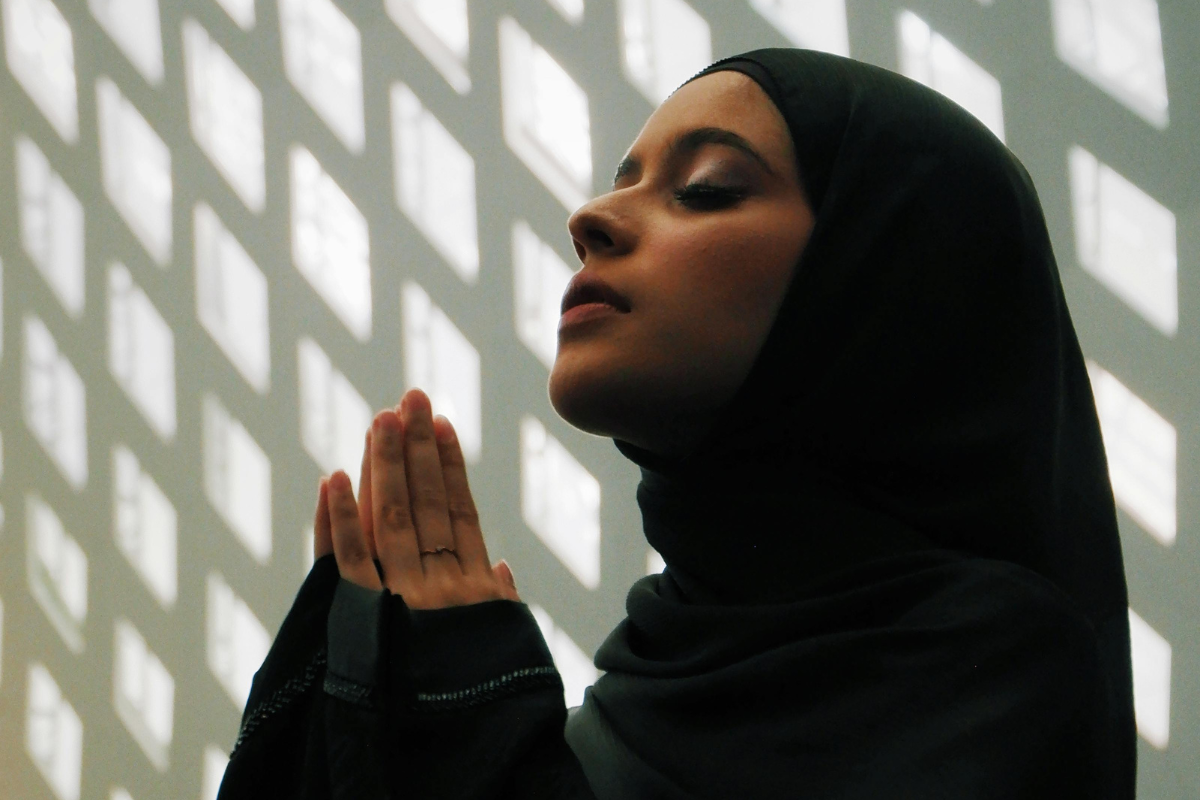
Several major prohibitions apply specifically or significantly to Muslim women. Here are the haram things every believing woman should understand:
Zina (Adultery and Fornication): Any sexual relationship outside of marriage is strictly forbidden. This prohibition protects family integrity, lineage, emotional well-being, and the sanctity of the marriage contract. The Quran warns severely against zina and even instructs believers to avoid its precursors - such as engaging in private seclusion with non mahram men or situations that invite temptation.
Marrying a Non Muslim Man: Marrying non-Muslim men is haram for Muslim women. This ruling is derived from Al-Baqarah 2:221, and scholars maintain consensus (ijma') on this point.
Marriage to Prohibited Relatives: Women cannot marry certain close relatives due to Islamic law prohibitions. The Quran (4:23) lists permanently forbidden marriage partners - mothers, sisters, daughters, aunts, and others within the mahram circle.
Disobedience to Allah: Rejecting obligatory worship - abandoning daily prayers, refusing to fast, or neglecting zakat - constitutes a serious violation. Every Muslim woman is accountable for maintaining her relationship with Allah through consistent worship.
Other Universal Prohibitions: Participating in interest-based transactions is forbidden for all Muslims. Similarly, murder, theft, consuming intoxicants, engaging in gossip and slander - these are considered significant sins in Islamic ethics that apply equally to every believer.
Modesty and Dress Code Requirements
Modesty in dress is one of the most discussed aspects of what is haram for a woman in Islam. The foundation comes directly from the Quran:
"And tell the believing women to lower their gaze and guard their modesty; that they should not display their beauty and ornaments except what appears thereof; that they should draw their veils over their bosoms…" - Surah An-Nur 24:31.
This verse establishes several key principles:
Hijab is mandatory for adult Muslim women. Women must cover their bodies except for face and hands, and scholars across the major madhhabs affirm this obligation. Uncovered heads are considered haram for women in public settings. The Quran (33:59) further instructs believing women to draw their outer garments over themselves, providing additional protection and dignity.
Wearing fitted or revealing clothes is prohibited in Islam. Women must wear loose-fitting garments to maintain modesty. Clothing that outlines body shape - whether tight-fitting or transparent - violates the spirit and letter of Surah 24:31. The entire body, except face and hands, should be covered with opaque, non-form-fitting garments when among non mahram men.
Displaying beauty or physical attributes to non-mahram men is considered haram. Women are instructed to observe modest dress in the presence of men who are not close relatives. Adornments - whether jewelry, makeup, or perfume - should not be displayed to attract attention from other men outside the mahram circle. Using strong perfume in public is prohibited for women, as scholars note it may draw inappropriate attention.
Women should avoid adornments that attract non-mahram men, while beauty display within the home - for a husband, for example - is not only permissible but encouraged in many scholarly opinions.
Specific Appearance Guidelines
Beyond clothing, Islamic guidelines address specific appearance modifications through authentic Hadith:
Eyebrow Plucking:
Plucking eyebrows is prohibited for women in Islam. The Prophet ﷺ said: "Allah has cursed the lady who practices tattooing or gets it done … and those who remove hair from their faces … and those who create spaces between their teeth artificially … such ladies as change the features created by Allah." - Sahih al-Bukhari 5933. Some practices involving appearance are specifically prohibited for women according to hadith. However, scholars differ on exceptions: removing excessive facial hair that causes genuine distress or a medical defect may be permissible, and Dar al-Ifta Egypt has issued rulings allowing married women some latitude with a husband's encouragement for his enjoyment.
Tattooing and Permanent Modifications:
Permanent body modifications, like tattoos and cosmetic surgery for vanity, are traditionally deemed haram. The hadith cited above explicitly curses both the one who tattoos and the one who requests it. Temporary adornment such as henna, however, is generally permitted by scholars, as it is not permanent and is a culturally established practice.
Hair Extensions and Wigs:
The Prophet ﷺ also forbade affixing hair extensions, as recorded in Sunan an-Nasa'i 5101: "The Messenger of Allah forbade the woman who does tattoos … the woman who affixes hair extensions." Both the provider and the receiver of such services fall under this prohibition.
Nail Polish and Wudu:
While nail polish is not categorized as haram in itself, standard nail polish creates a barrier preventing water from reaching the nail during wudu - potentially invalidating ritual purity required for prayer. Many scholars recommend breathable alternatives or removing polish before performing daily prayers.
Social Interactions and Relationships
Certain prohibitions for women in Islam pertain to modesty and social interactions. Islam promotes respectful boundaries in interactions between genders, and several specific guidelines apply:
Non-Mahram Interactions: Women must not have physical contact with non-mahram men. This includes handshakes and casual touch. To explore what this means in everyday life - including whether is kissing haram - understanding the boundaries of mahram relationships is essential.
Khulwa (Private Seclusion): Engaging in private seclusion with non-mahram men is classified as haram to prevent temptation. Women should avoid unnecessary one-on-one interactions with non-mahram men, whether in professional or social settings. Workplace interactions are permitted when professionalism and modesty are maintained, but closed-door meetings alone with a male colleague should be avoided.
Free Mixing: Many scholars caution against excessive free mixing without legitimate purpose. While Islam does not prohibit all interactions between men and women, gatherings should maintain appropriate boundaries, modest behavior, and purpose.
Travel: Traveling alone without a mahram is generally considered haram for women. Traditional rulings based on hadith require women to travel with a mahram for safety and protection. Some contemporary scholars allow exceptions when security is reasonably ensured and the journey is necessary, but the majority position remains cautious.
Communication and Friendship Boundaries
Speech and Tone: The Quran instructs believers to speak with dignity and avoid suggestive tones. A Muslim woman should avoid flirtatious or seductive speech with non-mahram men - this applies equally in face-to-face conversation and digital communication.
Social Media and Online Interactions: Though this is a newer area of discussion, scholars extend the principles of modesty to online spaces. Private messaging with non-mahram men that could lead to temptation, posting alluring images publicly, and engaging in emotionally intimate conversations outside of marriage all fall under the same guidelines that govern in-person interactions.
Friendships with Non-Muslims: Same-gender friendships with non-Muslim women carry fewer restrictions and are generally permissible. Interactions with non-Muslim men follow the same non-mahram boundaries that apply to all male interactions.
Lowering the Gaze: Surah 24:31 instructs believing women to lower their gaze - a practice connected to humility, self-protection, and guarding the heart from desire. This applies equally to men, reinforcing that Islam treat men and women with parallel expectations of self-discipline.
Worship and Religious Practice Obligations
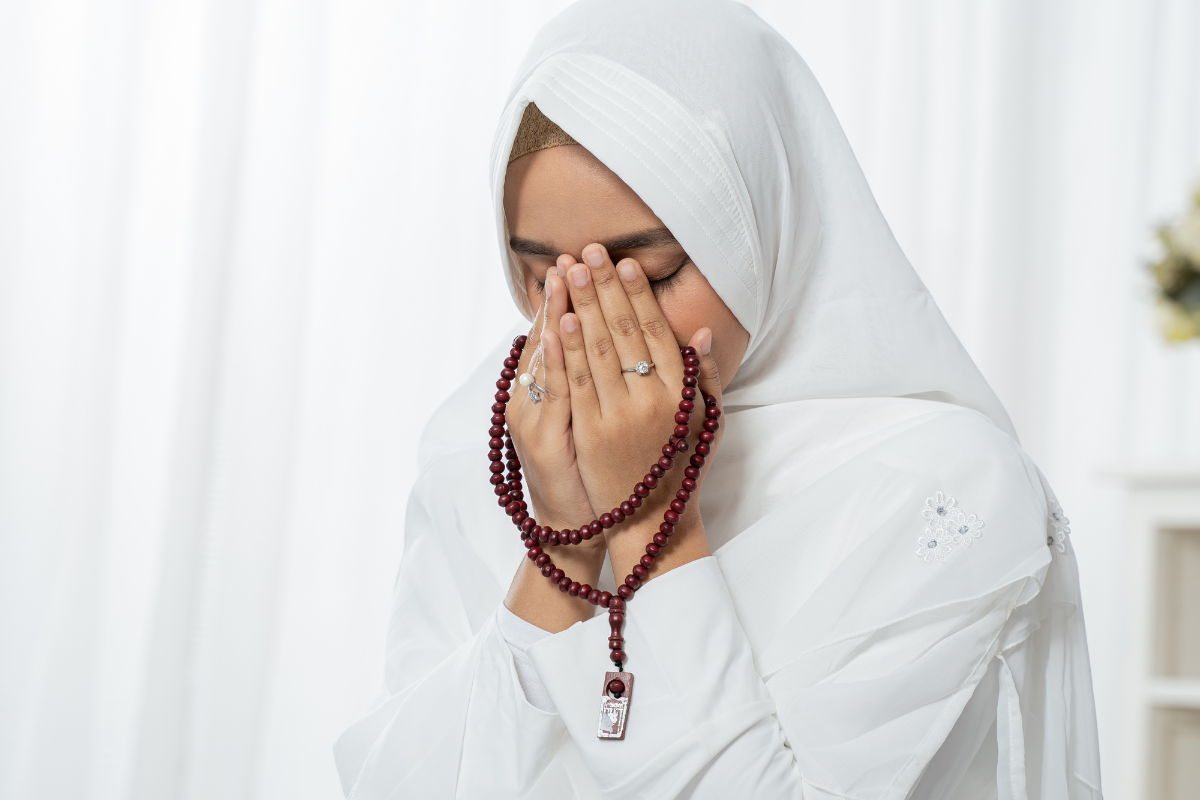
Muslim worship carries specific guidelines for women during certain biological states:
Prayer During Menstruation and Postpartum: It is haram for a woman to perform ritual prayer (salah) or observe fasting during menstruation (haidh) or postpartum bleeding (nifas). This exemption comes from God's mercy - women are not sinful for missing these acts of worship during these periods. They resume their five daily prayers and fasting once purification is complete. Missed fasts during Ramadan are made up afterward, while missed prayers during menstruation are not required to be made up.
Mosque Attendance: Attending the mosque is permissible and encouraged for women, provided that modest dress is observed, appropriate segregation is maintained, and the environment supports her comfort and dignity. Not attending is not haram unless specific communal obligations apply.
Recitation of Quran and Handling the Mushaf: Traditionally, touching the physical Mushaf in a state of major impurity is prohibited. Many scholars allow recitation from memory or using digital devices during menstruation, while others maintain stricter positions. This is an area where consulting trusted scholars is particularly valuable.
Marriage and Family Responsibilities
Marriage holds a central place in the faith of every Muslim woman and Muslim man. The Prophet ﷺ emphasized: "When a man marries, he has fulfilled half of his religion; so let him fear Allah regarding the remaining half." This hadith illustrates how seriously Islam treats the marriage bond. If you are preparing for this journey, exploring Islamic marriage wishes can be a beautiful way to honor the occasion.
1. Husband's Rights:
Within the Islamic framework, a husband has rights to companionship, fidelity, and respectful treatment. Disobeying a husband is considered haram in Islam when it involves permissible matters - obedience to husbands promotes harmony in marriage according to Islamic teachings. However, no obedience is due in matters that contradict Allah's commands. Islam emphasizes mutual respect and cooperation between spouses, and a wife is never required to obey her husband in sin.
2. Marital Relations:
Unjustified refusal of marital relations is considered haram in Islamic teachings. Withholding marital rights without just cause is viewed as a major sin in Islamic jurisprudence. Willful disobedience to a husband is sinful for married women, but this must be understood within a framework of kindness, where both spouses owe each other compassion and financial support.
3. Household and Parenting:
Islam views marriage as a partnership. While a wife is not strictly obligated to be the sole homemaker, caring for the family, raising children upon Islamic values, and nurturing the household are strongly emphasized. The Prophet ﷺ honored mothers profoundly - the famous hadith reminds us that paradise lies at the feet of mothers, underscoring the weight and beauty of this role.
The Wisdom Behind Islamic Guidelines for Women
Every prohibition discussed in this guide carries divine wisdom. From the earliest days of Islam, these laws aimed to reform harsh pre-Islamic practices. Before Islam, some societies in Arabia buried alive baby girls and denied women basic rights. The Quran elevated women's status, granting rights to inheritance, education, and self-determination that were revolutionary for most societies at the time.
The guidelines around modesty protect women from objectification and exploitation. The rules around marriage safeguard a woman's faith, rights within the household, and access to financial support. The prohibitions on seclusion with non-mahram men prevent situations that could compromise reputation or lead to harm.
Examples from the lives of Prophet Muhammad's ﷺ wives and female companions demonstrate that these guidelines never meant seclusion from public life. Aisha (RA) was one of the greatest scholars of Islam, teaching men and women alike. Female companions participated in the Hijra, prayed in congregation, and contributed to their communities with vigor and purpose. These women lived within Islamic guidelines while shaping the course of history.
Addressing Common Misconceptions
Cultural vs. Religious:
Many practices wrongly attributed to Islam - such as honor killings, female genital mutilation, or absolute seclusion - are cultural traditions with no basis in the Quran or Sahih Hadith. It is critical to distinguish between what religion actually teaches and what certain societies impose.
Misconception: Islam Limits Women's Rights:
This is one of the most persistent misunderstandings. In reality, Islam granted women rights to education, property ownership, and divorce over 1400 years ago - centuries before many Western legal systems did the same.
Equality vs. Complementarity:
Islam teaches that women equal men in spiritual worth and accountability before Allah. The Quran makes this beautifully clear: "Indeed, the Muslim men and Muslim women, the believing men and believing women, the obedient men and obedient women, the truthful men and truthful women…" - Surah Al-Ahzab 33:35. While Islam may treat men and women differently in certain prescribed roles - inheritance distribution, hijab requirements, physical contact boundaries - these differences exist within a framework of complementarity, not inferiority.
Women's Rights and Empowerment in Islam
Islam affirmed a Muslim woman's right to own property, conduct business, seek education, and participate in community life. These were not modern concessions - they were established from the time of our mission and programs of Prophet Muhammad ﷺ himself.
Women have the right to:
Education and knowledge - seeking knowledge is obligatory for every Muslim, male and female
Financial independence - a woman's earnings are her own; she has no obligation to share them with her husband
Choose her spouse - forced marriage is prohibited in Islam
Divorce - through khul' or other mechanisms established in Islamic law
Community participation - attending gatherings, contributing to society, holding positions of influence
Prominent Muslim women throughout history - from Khadijah (RA), the Prophet's first wife and a successful businesswoman, to Fatima al-Fihri, who founded the world's oldest existing university - demonstrate that Islam never intended to confine women. Their lives stand as proof that following Islamic guidelines and living a full, impactful life are not contradictions.
Frequently Asked Questions
Can Muslim women work outside the home?
Yes. Islam permits and encourages women to earn a livelihood, pursue careers, and contribute to society. The condition is that Islamic guidelines of modesty, honesty, and avoidance of immoral environments are maintained. A woman's income remains entirely hers - she is not religiously obligated to contribute it to household expenses.
Is wearing makeup completely forbidden for Muslim women? Not universally. Makeup for private use - at home, for a husband, or among women - is generally permissible. Wearing makeup in public with the intention of attracting attention from non-mahram men is where scholars express concern or consider it haram. Context and intention matter significantly.
Are women allowed to drive and travel independently? Driving is a modern question not addressed in classical texts, and most scholars consider it permissible when safety and modesty are preserved. Traveling alone is considered haram for Muslim women according to traditional rulings, though some contemporary scholars allow it when security is assured and the journey is necessary.
What happens if a woman accidentally commits something haram? Allah's mercy is vast. Sin is always evaluated based on knowledge and intention. If a woman commits a haram act unknowingly, there is no sin recorded against her. If she errs knowingly, sincere repentance (tawbah) opens the door to forgiveness. The Quran repeatedly emphasizes God's mercy and willingness to forgive those who turn back with genuine hearts.
How do Islamic guidelines differ between single and married women?
The core prohibitions remain the same. However, married women may have more latitude regarding beautification for their husbands - some scholars permit eyebrow shaping with a husband's encouragement, for example. Single women are generally held to stricter standards regarding public appearance and interactions to protect their reputation and spiritual well being.
Can women participate in sports and physical activities?
Yes, with guidelines: modest dress, gender segregation where possible, and avoidance of mixed environments that compromise modesty. Sports hijab options have made this increasingly accessible. The key principle is maintaining dignity while caring for one's health.
Conclusion: Living as a Faithful Muslim Woman
The beauty of Islamic guidelines lies in their balance - they honor a woman's dignity while granting her the freedom to live, learn, worship, and love within a framework of divine wisdom. The prohibitions outlined in this guide are not restrictions imposed to diminish women; they are guardrails designed by a Merciful Creator who understands every human being intimately.
Living faithfully does not mean perfection. It means striving, repenting when you fall short, and trusting in God's mercy. Every Muslim woman navigating the complexities of modern life - from workplace dress codes to social media boundaries to the search for a righteous spouse - can find comfort in knowing that Allah's guidance is both timeless and compassionate.
If you are seeking a life partner who shares your values and respects these sacred boundaries, exploring a Muslim matchmaking program can be a meaningful first step. May Allah guide every believing woman toward peace, purpose, and closeness to Him. Love, InshaAllah.
Seek knowledge from qualified scholars, ask questions without shame, and remember: the path to paradise is paved with sincerity, not perfection.