
Rukhsati Meaning: Significance in Muslim Wedding Traditions
The moment a bride steps out of her parents house for the last time as their "little girl" is one of the most emotionally charged scenes in any Muslim wedding. That moment has a name: Rukhsati. But what does it actually mean, what role does it play in Islam, and how is it changing in our generation? This guide walks you through everything - from the word itself to the rituals, the rulings, and the real emotions behind it.
What Does Rukhsati Mean in Islam and South Asian Culture?
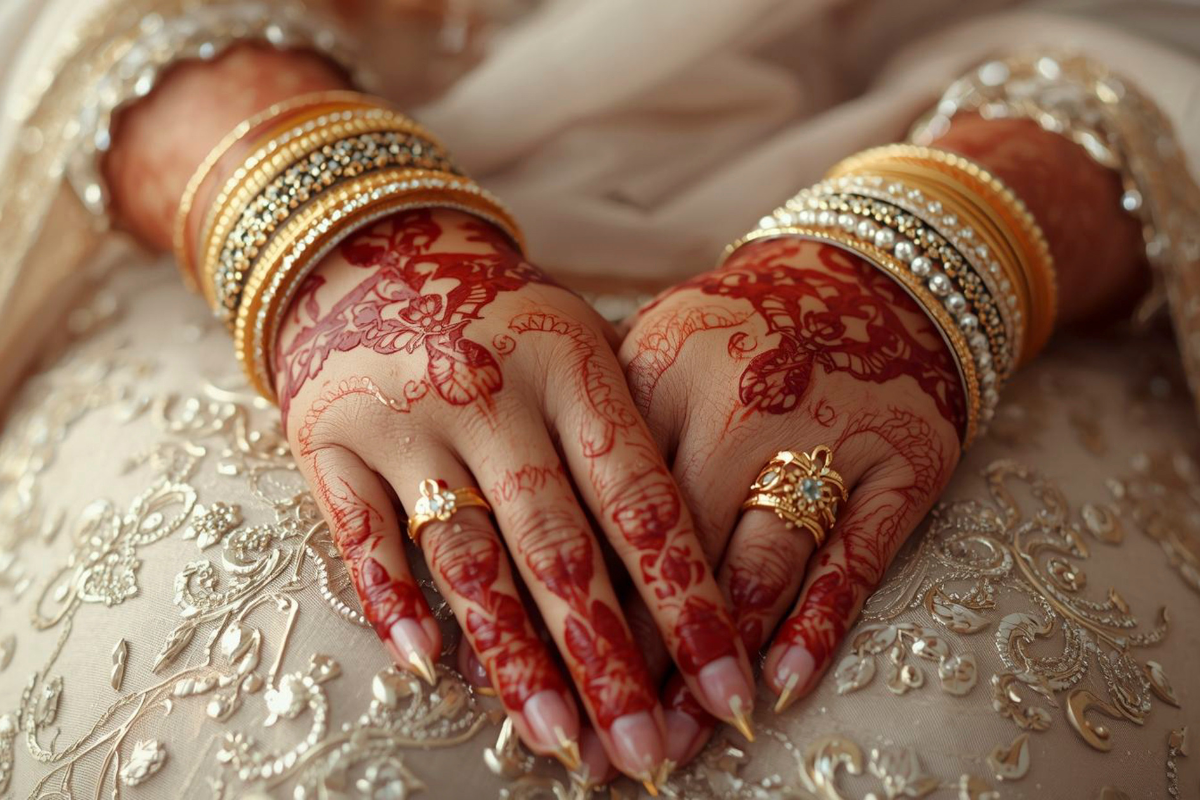
The word Rukhsati comes from Urdu and literally translates to "farewell" or "sending off." Across Pakistan, India, and Bangladesh, it refers to the specific moment in a wedding when the bride formally departs her parental home and leaves with her husband and the groom's family. It is the threshold between everything she has known and the new life she is about to build.
Rukhsati marks the bride's departure to her husband's home - and it carries immense emotional weight for everyone present. In many South Asian wedding celebrations, people will say "the marriage happened at Rukhsati," even though from a fiqh perspective, the marriage is legally valid from the Nikah, not from the send-off. This distinction matters: Rukhsati is primarily a cultural custom, not a strict religious obligation. The Nikah is the act that makes both the bride and groom halal for each other.
Here is a quick summary of what Rukhsati represents:
Literal meaning: Farewell, departure, sending off
Cultural context: The bride leaves her family home and joins her husband's household
Emotional tone: A bittersweet blend of joy, loss, blessings, and hope
Religious status: Cultural practice (ʿurf), not a Shariah-prescribed ritual
Social significance: Rukhsati marks the public recognition of the couple's new life together
Islamic Perspective: Is Rukhsati Required in Shariah?
Neither the Qur'an nor authentic Hadith names a specific "Rukhsati" ritual. It is a cultural practice layered onto the Islamic marriage process, meaningful in its own right but separate from the legal requirements of a valid marriage contract.
The essential pillars of a valid Nikah in Islam are: offer and acceptance (ijab-qubul), the presence of a wali (guardian for the bride, per the majority of scholars), two witnesses, and mahr (the bridal gift). Once these conditions are met, the marriage is binding - regardless of whether a formal send-off ceremony takes place.
The Qur'an speaks beautifully about the purpose of marriage in Surah Ar-Rum 30:21:
"وَمِنْ آيَاتِهِ أَنْ خَلَقَ لَكُمْ مِنْ أَنفُسِكُمْ أَزْوَاجًا لِّتَسْكُنُوٓا إِلَيْهَا وَجَعَلَ بَيْنَكُم مَّوَدَّةً وَرَحْمَةً" - "And of His signs is that He created for you mates from among yourselves that you may find tranquility in them; and He placed between you affection and mercy."
And regarding the urgency of completing the marriage process, the Prophet ﷺ said (narrated in Tirmidhi): "O Ali, do not delay three particular things: the prayer when its time enters, the funeral prayer when the body is ready, and the marriage of a single woman when you find a suitable match for her."
Many contemporary scholars, particularly within the Hanafi school, permit a delay between Nikah and Rukhsati if there is a valid reason - financial constraints, housing, travel, or education. However, they caution against very long, unnecessary delays, as these can lead to hardship, temptation, or the erosion of spousal rights. The critical point: Rukhsati does not "activate" the Nikah. It is a social announcement and emotional milestone, not a legal requirement.
Difference Between Nikah, Rukhsati, and Walima
To avoid confusion - especially for those planning a wedding or attending one for the first time - it helps to clearly distinguish these three events.
Nikah is the formal marriage contract in Islam. It is what makes the union legal and sacred. The Nikah ceremony involves the signing of a marriage contract, and the couple recites vows known as Ijab-e-Qubool during Nikah. Nikah requires the presence of witnesses and a religious leader and typically takes place in a mosque or home.
Rukhsati is the bride's physical departure from her family home to join her husband's household. It is often the most emotional moment of the entire ceremony for both the bride and her parents. Rukhsati is a farewell celebration when the bride leaves her parental home.
Walima is the marriage feast hosted by the groom's family. It serves as a formal announcement and a celebration of the union. The Prophet ﷺ instructed: "أَوْلِمْ وَلَوْ بِشَاةٍ" - "Hold the Walima even if it is with a sheep" (Sahih al-Bukhari), emphasizing that even a modest grand feast fulfills the Sunnah.
Aspect
Nikah
Rukhsati
Walima
Purpose
Legally binds the spouses
Bride's farewell and departure
Public celebration and feast
Who Hosts
Bride and groom (with wali and witnesses)
Bride's family
Groom's family
Timing
First event; can be private
After Nikah, same day or later
After Nikah/Rukhsati
Religious vs. Cultural
Religious - required for valid marriage
Cultural - not required in Shariah
Sunnah - strongly encouraged
In many South Asian Muslim weddings, the Nikah, Rukhsati, and Walima may happen on the same day. In others - especially with cross-border marriages, visa issues, or financial planning - months can pass between Nikah and Rukhsati. Both arrangements are Islamically valid. For those wanting to better understand what is said during the Nikah itself, this guide on Muslim wedding vows covers the essentials.
Emotional and Spiritual Significance of Rukhsati
Picture this: a bride dressed in soft pastels or deep reds, standing at the doorway of her childhood house. Her mother holds the Qur'an over her head. Her father's eyes are red. Her siblings hover close. The room is quiet except for the sound of du'a and quiet sobbing. Then she steps outside - into a decorated car, into her husband's world, into something entirely new.
Rukhsati is considered a significant emotional transition for the bride. The ceremony is often filled with tears of joy and sadness, and traditional practices include the bride hugging family members and saying goodbye. That mixture of grief and hope is deeply human - and Islamically, it is completely normal to express these emotions within the boundaries of modesty and remembrance of Allah.
The Qur'an captures the intimacy between spouses in Surah Al-Baqarah 2:187: "هُنَّ لِبَاسٌ لَّكُمْ وَأَنتُمْ لِبَاسٌ لَّهُنَّ" - "They are a garment for you and you are a garment for them." This metaphor of closeness, protection, and comfort is the spiritual foundation of what Rukhsati should point toward: not a loss, but a sacred beginning.
Both the bride and groom may feel mixed emotions - anxiety about responsibilities, joy about partnership, grief at leaving or gaining new family dynamics. Families serve everyone best when they make the moment one of mercy and support, avoiding guilt-tripping or emotional blackmail. Let the woman breathe. Let her feel. Let her leave with love, not obligation.
Traditional Rukhsati Rituals in South Asian Muslim Weddings
The pre wedding rituals and the Rukhsati itself vary widely, but certain customs appear across Pakistan, India, and Bangladesh with remarkable consistency.
The Holy Quran may be held over the bride's head as she exits her house - a gesture symbolizing divine protection and the hope that she carries her deen with her into her new home. Rice, flower petals, or coins are thrown as she steps forward; the bride often symbolically throws rice or coins as she departs, representing blessings and abundance.
The bride is often escorted by the groom's family during Rukhsati. In older or rural traditions, the groom's party arrives with a decorated doli (palanquin), though modern cities have replaced this with decorated cars and professional videography. The bride's hands may be adorned with henna, and she may be covered with a dupatta or shawl until she is formally greeted and welcomed into the groom's home.
Elders play a central role: grandparents and parents impart advice about patience, kindness, prayers, and the rights each spouse owes the other. They may give gifts - jewelry, a Qur'an, household items - as tangible symbols of support.
Where culture must not cross Islamic boundaries: modest dress must be preserved. Intermingling of unrelated men and women should be managed thoughtfully. There should be no alcohol, no wasteful extravagance in entertainment, and no customs that reduce the bride's dignity or free will. The celebration should honor her, not exhibit her.
Regional Variations: How Rukhsati Differs Across Communities
Urban Pakistani weddings in Karachi, Lahore, and Islamabad often feature late-night Rukhsati events with elaborate decor, professional photography, music, and choreographed exits. These productions can resemble Western reception parties in scale while maintaining cultural and sacred elements like Qur'an recitation and du'a.
By contrast, more conservative village weddings tend to be simpler. Rukhsati might happen just after Maghrib or Isha, with a smaller gathering of relatives and friends, minimal fanfare, and a focus on blessings rather than spectacle. Among Baloch or Pashtun communities, the bride may be transported in more traditional conveyances, with tribal elders playing a prominent role. Bengali Muslim weddings bring their own aesthetic - distinct clothing traditions, specific threshold customs as the bride enters her new home, and quieter farewell rituals that feel more intimate.
Among non-South Asian Muslims - Arab, Turkish, or convert communities in Western countries - the word "Rukhsati" may not be used, but the moment of farewell still exists. A wife leaving her parents' home, or the couple moving into their first shared room, carries similar emotional resonance across cultures and countries around the world. The custom may differ, but the human experience of transition is universal.
Role of the Bride's and Groom's Families During Rukhsati
Rukhsati symbolizes the union of two families, not just the joining of two individuals. And how each family behaves during this event sets the tone for the marriage itself.
The bride's family traditionally hosts the farewell: arranging transport, preparing final gifts, gathering family members for du'a, and ensuring the send-off is dignified. Meanwhile, the groom's family carries a responsibility that extends far beyond the wedding day - they must welcome the bride with dignity, protect her rights, support her presence in the new home, and ensure her mahr is fulfilled.
Islamically, both the bride and groom owe kindness and respect to each other's parents. The Qur'an states in Surah Al-Isra 17:23: "And your Lord has decreed that you not worship except Him, and to parents, good treatment." This applies in both directions as a woman enters a new household and a man's family expands.
A word of caution: some families misuse Rukhsati as a power play - withholding the bride until dowry demands are met, extracting financial gifts, or delaying the event for status display. These practices contradict Islam's values of simplicity, justice, and mercy. Healthy families collaborate: they split costs fairly, decide logistics together, and create an environment where the bride feels loved - not traded. For more on nurturing strong spousal dynamics from day one, these relationship tips offer grounded, practical guidance.
Modern Rukhsati: Evolving Traditions in 2020s Muslim Weddings
The way Rukhsati looks is shifting - especially among educated urban Muslims navigating the realities of 2024–2026 life.
Some couples now opt for smaller guest lists and daytime Rukhsati ceremonies. Destination weddings are growing in popularity, and many couples choose more balanced rituals where both the bride and groom share in the planning and even give short speeches. The age of the silent, passive bride is fading in many communities, replaced by women who want to be active participants in their own milestone.
Working professionals increasingly face gaps between Nikah and Rukhsati due to visas, housing, or education. Some couples complete their Nikah online or in a small gathering, then hold the in-person Rukhsati months later when logistics allow. This requires honest communication and clarity about rights and expectations during the waiting period.
There are also sensitive realities worth naming: blended families, re-marriage after divorce, or converts whose parents are non-Muslim and may not understand the meaning or emotional weight of Rukhsati. In these situations, patience and communication become everything. Programs like those offered at Love, InshaAllah help couples navigate these transitions with both Islamic grounding and emotional intelligence.
Frequently Asked Questions
Is a Muslim wedding valid without Rukhsati?
Yes. The Nikah alone makes the marriage valid, as long as its pillars - ijab-qubul, wali, witnesses, and mahr - are fulfilled. Rukhsati is not a Shariah requirement but a cultural step into cohabitation.
How long can Rukhsati be delayed after Nikah?
There is no fixed limit in Islamic law. Delay is permitted for genuine reasons (study, legal, financial). However, scholars recommend not extending the gap unnecessarily, as prolonged separation can lead to fitnah or neglect of spousal rights.
Can Rukhsati happen before the Walima?
Absolutely. The most common sequence is Nikah → Rukhsati → Walima, but Nikah → Walima → Rukhsati also happens. All three can even take place on the same day. The parties involved decide based on their means and customs.
Is consummation allowed before Rukhsati?
Once a valid Nikah is done, physical intimacy is halal. Consummation does not legally depend on Rukhsati. That said, many families and cultures expect couples to wait until after Rukhsati, and couples should navigate this with mutual respect, safety, and privacy.
Can a simple, private send-off replace a big Rukhsati ceremony?
Yes - and Islam actively encourages it. A smaller, dignified farewell fully aligns with Sunnah values. The blessings are in the intention and the fulfillment of rights, not in the size of the event or the engagement ring budget.
Balancing Culture and Deen: Making Rukhsati Spiritually Grounded
The guiding principle is simple: keep what nurtures love, mercy, and social bonding. Discard what burdens, oppresses, or contradicts Islam. Every tradition deserves to be examined through the lens of Qur'an and Sunnah - not inherited blindly.
Practical steps families can take: begin the Rukhsati after a congregational prayer; recite portions of the Qur'an together; make collective du'a for the couple's sakinah, mawaddah, and barakah. A Hadith in Musnad Ahmad captures the spirit beautifully: "إِنَّ أَعْظَمَ النِّكَاحِ بَرَكَةً أَيْسَرُهُ مُؤْنَةً" - "The greatest marriage in blessing is the one lightest in expense."
To the parents who are reading this with a sense of heaviness: your grief is valid. Letting go of a daughter is one of the hardest things a heart can do. But remember the reward in supporting her journey - in facilitating a marriage that Allah loves, in sending her off with du'a rather than drama. And if you are still in the early stages of seeking a spouse, seeking clarity through Istikhara Dua can bring peace to the decision-making process.
Rukhsati, when done with sincerity, becomes a moment of barakah - a threshold where two families, two hearts, and two futures meet. Whether your farewell is grand or quiet, surrounded by hundreds or held in a small room with just a few loved ones, let it reflect the mercy that Allah placed between married souls. That is where the real meaning lives.