
Muslim Wedding Vows for Nikah Ceremonies: Meaningful Islamic Promise Examples
A Muslim wedding begins with a nikah—a sacred covenant witnessed by Allah and honored by two families, forming the heart of traditional Muslim wedding ceremonies. In these ceremonies, to marry is to enter into a spiritual and contractual bond, guided by Quranic principles and the teachings of the Prophet ﷺ. While Islam does not require personalized vows, many couples today feel a sincere desire to express heartfelt promises alongside the marriage contract.
This guide offers a warm, inclusive, and Islamically grounded path to crafting Muslim wedding vows that complement the nikah without replacing it. You’ll learn what is essential, what is optional, and how to plan a ceremony that reflects faith, love, and lifelong responsibility—making your special day truly meaningful.
Introduction to the Nikah and the Wedding Ceremony
The nikah is the foundation of a Muslim marriage, shaped profoundly by religion and its teachings. It is established through:
Offer and acceptance (ijab wa qubul)
Presence of witnesses
Agreement upon mahr
The marriage contract must be performed in the presence of at least two witnesses to ensure transparency and accountability. The mahr is a mandatory gift from the groom to the bride that symbolizes commitment and provides financial security.
These elements form the legal and spiritual basis of marriage in Islam. Mutual consent is a mandatory pillar for marriage validity under Islamic law. The marriage contract also establishes the rights and duties of both spouses. Marriage is viewed as a strong covenant (Mithaqun Ghalithan) in the Quran: “And they have taken from you a firm covenant” (Qur’an 4:21). Furthermore, marriage is described as a divine gift for tranquility and mercy: “And among His signs is that He created for you from yourselves mates that you may find tranquility in them; and He placed between you affection and mercy…” (Surah Ar-Rum 30:21).
Traditionally, couples did not exchange personalized vows because the contract itself carried the commitment.
However, scholars note that adding brief personal promises is permissible when they do not contradict Islamic teachings and do not replace the nikah wording. Because this topic can feel sensitive, it is best approached with gentle, pastoral language and clarity of intention.
Wedding Vows in the Muslim Tradition
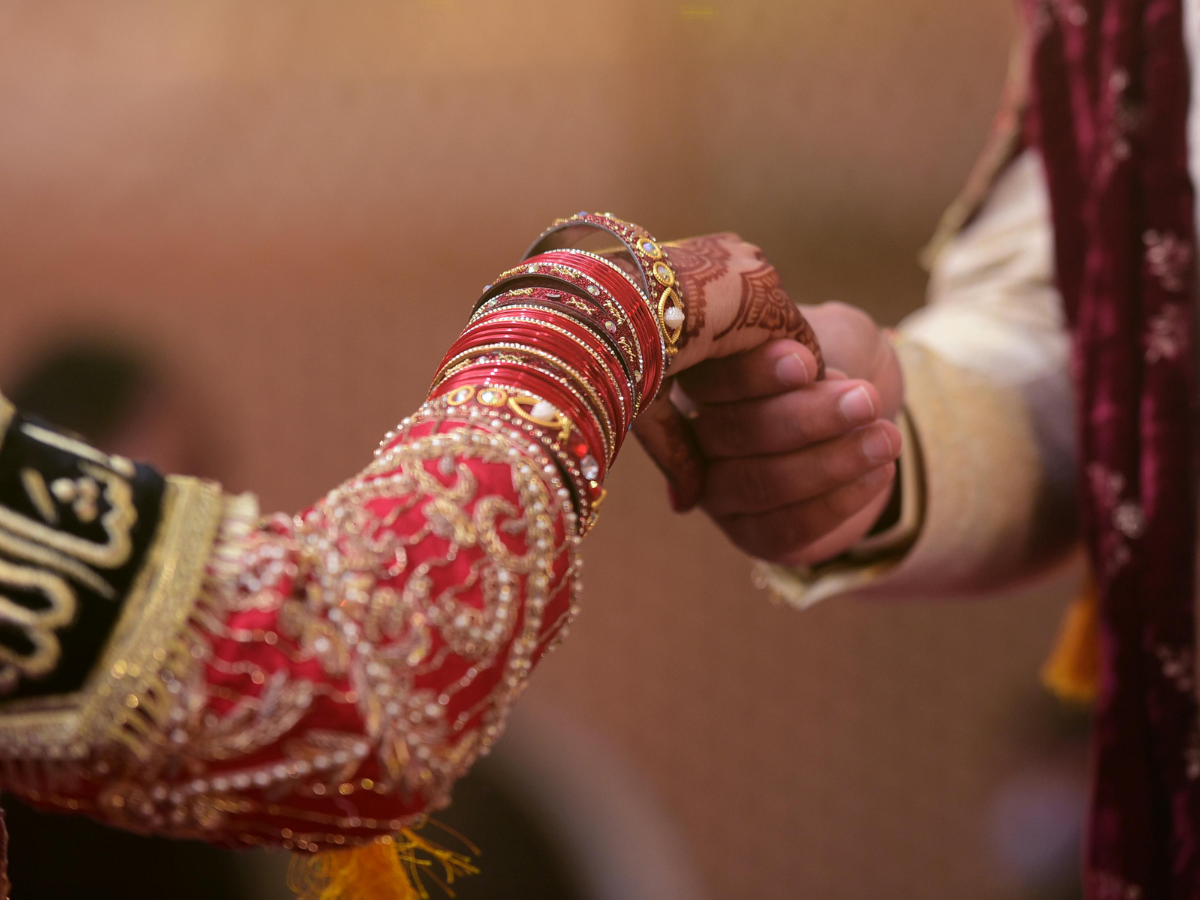
In the Muslim tradition, wedding vows are not a formal requirement of the nikah ceremony. The nikah itself is a sacred union, established through the marriage contract and witnessed by family and community members. However, many modern Muslim couples choose to include wedding vows as a way to express their personal commitment and love for one another.
The nikah ceremony is rooted in the principles of equality and mutual respect between the bride and groom. The Holy Quran describes marriage as a partnership built on tranquility, love, and mercy:
“And among His signs is that He created for you from yourselves mates that you may find tranquility in them; and He placed between you affection and mercy…” (Surah Ar-Rum, 30:21)
Inspired by this, couples may choose to include vows that reflect their intention to be an obedient and faithful wife or a faithful and helpful husband. These promises are not about subservience, but about honoring each other’s rights and responsibilities as outlined in Islamic teachings. The Holy Prophet Muhammad (peace and blessings be upon him) emphasized kindness, compassion, and mutual support between spouses.
By including wedding vows in the nikah ceremony, Muslim couples can create a meaningful and unique way to reflect their love, respect, and shared values. These vows can be inspired by the Holy Quran and the Prophet’s example, ensuring that the sacred union is both spiritually grounded and personally significant. In this way, the ceremony becomes a heartfelt celebration of two lives joining together in faith and partnership.
Why Couples Add Wedding Vows to a Marriage Ceremony
Many couples choose to include vows for deeply personal reasons:
To verbalize intentions before Allah and loved ones
To mark the emotional beginning of a shared life
To express promises that go beyond legal terms
Although traditional wedding vows are not part of a Muslim wedding ceremony, many modern Muslim couples choose to include them, often inspired by verses from the Quran about love and marriage. Some couples opt to write their own vows, personalizing them to reflect their unique journey and values, while still honoring Islamic principles and the guidance of tradition.
The nikah establishes the marriage formally. Vows, when used, add emotional meaning. Couples who connect through Love, InshaAllah often value this balance between faith and heartfelt expression.
Vow Themes: Mutual Love, Partnership, and Faith
When writing Muslim wedding vows, the most meaningful words often revolve around:
Mercy and kindness in daily life
Cherishing your partner and honoring the person with whom you will spend your life
Shared responsibility in the home
Faith-centered goals for the family, including supporting each other in pursuing a righteous life
Patience during hardship and gratitude during ease
Experiencing joy together as an important aspect of marriage and spiritual growth
These themes ensure vows remain sincere, realistic, and aligned with Islamic values.
Sample Muslim Wedding Vows and Templates
Different ceremonies call for different styles of vows.
Short vow for a quiet nikah moment:
“I promise to walk beside you with mercy, patience, and faith, seeking Allah’s pleasure in our marriage from this day forward.”
Longer vow for a public ceremony:
“Today, before Allah and our families, I promise to honor and cherish you, to support you through all of life's ups and downs, to be patient in hardship, grateful in ease, and to build a home filled with faith, compassion, and trust.”
Couples who prepare intentionally through a Muslim matchmaking program often find it easier to articulate these values because they have already discussed them before marriage.
Couples can also write their own Muslim wedding vows to reflect their unique relationship, incorporating personal stories or specific commitments that are meaningful to them.
Traditional Wedding Vows Template for the Nikah
A classical Arabic acceptance phrase commonly used:
“Qabiltu nikahaha wa tazawwajtuha ‘ala al-mahr al-ma‘lum.”I accept her marriage and wed her upon the agreed mahr.
You may follow this with a brief English promise. Many couples present the Arabic first, followed by translation, preserving tradition while including guests.
Since formal vows are not a traditional part of a Muslim marriage ceremony, couples often have the flexibility to personalize their wedding vows—sometimes even writing their own vows—if their officiant and venue allow it. This means you can add a personal touch after the traditional phrase, expressing your intentions and hopes for the marriage in a way that feels meaningful to both of you.
Modern Muslim Wedding Vows Inspired by Qur’anic Wisdom
Without quoting directly, couples often draw inspiration from Qur’anic themes of tranquility, love, and mercy. You can:
Mention shared goals and hopes
Refer to supporting each other’s faith
Include a one-line vow both partners repeat together
Example joint vow:
“Together, we promise to protect, support, and uplift one another for the sake of Allah.”
Interfaith and Inclusive Vows for Mixed-Ceremony Couples
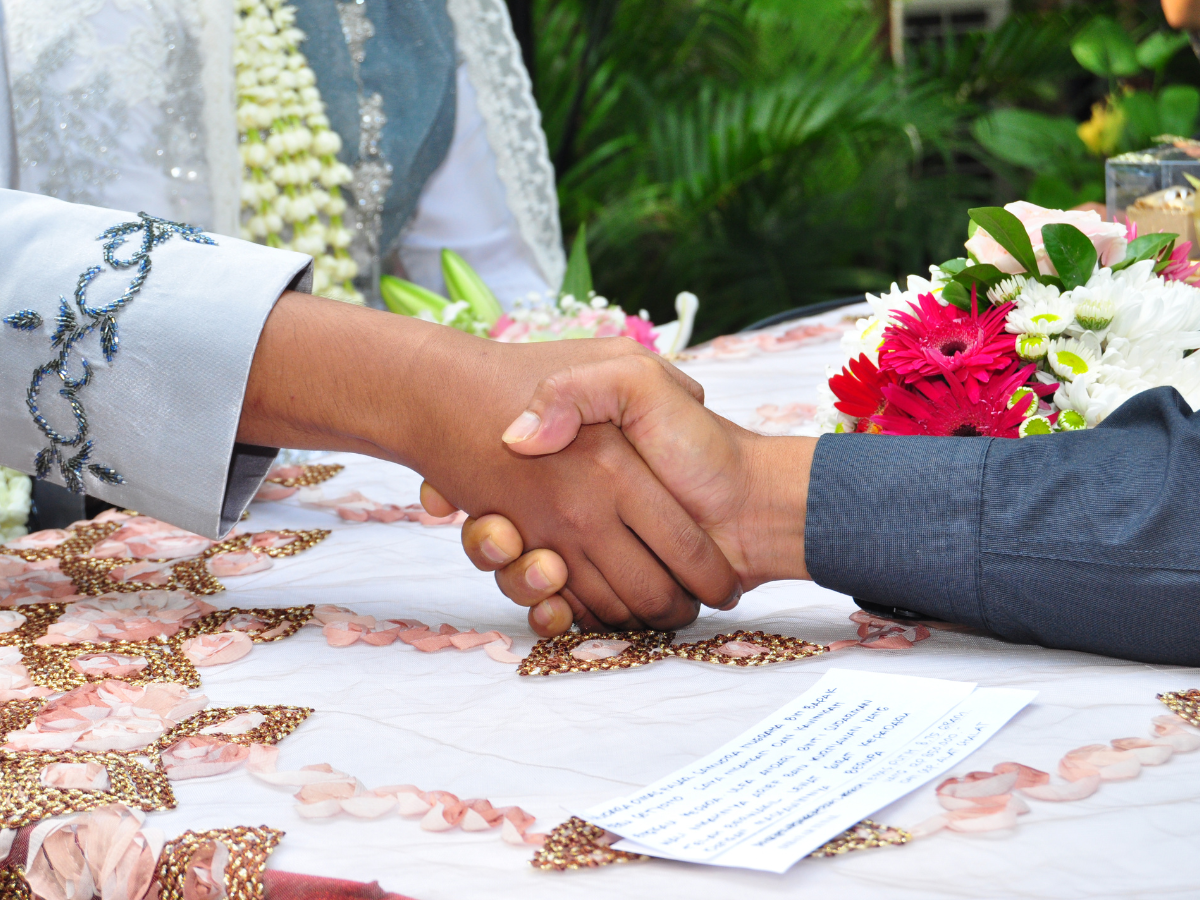
For interfaith settings, wording should respect both traditions while ensuring the nikah fulfills Islamic conditions. It is wise to understand scholarly rulings beforehand. This explanation on Punishment for Marrying non Muslim provides important context with care.
Personalizing Your Marriage Vows
To make vows feel authentic rather than scripted:
Recall meaningful moments from your journey
Avoid exaggerated promises you cannot sustain
Keep spoken vows within 60–90 seconds
Practice reading them aloud beforehand
Sincerity always matters more than eloquence.
Incorporating Muslim Wedding Customs into Your Ceremony
Incorporating Muslim wedding customs into your ceremony is a beautiful way to honor your heritage and create a memorable experience for everyone involved. At the heart of every Muslim wedding is the nikah ceremony, where the bride and groom sign the marriage contract in the presence of two male witnesses. This act formalizes the marriage and is often accompanied by the recitation of verses from the Holy Quran, reminding all present of the sacredness of the union.
Many Muslim couples choose to exchange vows and rings as a symbolic gesture of their commitment, even though these are not required by Islamic law. The ceremony can be further enriched by including traditional customs such as the Mehndi, where the bride’s hands and feet are adorned with intricate henna designs, and the Walima, a joyful reception that brings together family and friends to celebrate the new marriage.
Personal touches, such as the exchange of meaningful gifts or the release of doves, can add a unique element to the wedding day, making it even more special for the bride, groom, and their loved ones. By thoughtfully blending these customs and symbolic gestures, Muslim couples can create a wedding ceremony that honors their faith, celebrates their love story, and brings together the best of tradition and personal expression.
For more inspiration on planning a meaningful Muslim wedding, explore our mission and programs at FindLoveIA.com, where we support couples in every step of their journey.
How to Legally and Respectfully Include Vows in the Ceremony
Before finalizing vows, make sure to:
Confirm with the officiant that vows can be included
Ensure witnesses focus on the nikah wording first
Schedule vows before or after ijab wa qubul, not during
Understanding the full wedding flow, including the Walima Meaning, helps you plan smoothly.
Vow Examples Bank for Different Styles
Emphasizing mutual love
“I promise to treat you with kindness and speak to you with respect every day, cherishing you as my partner in this journey.”
Focusing on partnership
“I will consult you in our decisions and share responsibilities with fairness, honoring the person with whom I will spend my life.”
Promising spiritual growth
“I promise to encourage you in faith and patience throughout our life.”
Joint vow for both partners
“We promise to be garments for one another—protecting, comforting, and supporting each other.”
Rapid-Use Vows for Busy Wedding Ceremonies
If time is limited, one-line vows work beautifully:
“I promise mercy, patience, and respect.”
“I promise to honor you for the sake of Allah.”
“I promise to stand beside you in ease and hardship.”
“I promise to nurture joy and gratitude in our marriage.”
Creating a God-Centered Family Through Your Vows
A God-centered family is at the heart of a successful Muslim marriage, and this vision can be beautifully reflected in your wedding vows. Muslim couples often include promises to nurture a home filled with love, peace, and faith, drawing inspiration from the Holy Quran and the teachings of the Holy Prophet Muhammad (peace and blessings be upon him).
Vows may include commitments to raise children as righteous women and men, to support each other’s spiritual growth, and to uphold Islamic values in daily life. The Holy Quran reminds us:
“Our Lord, grant us from among our wives and offspring comfort to our eyes and make us an example for the righteous.” (Surah Al-Furqan, 25:74)
By making these promises, couples lay the foundation for a relationship built on mutual respect, trust, and unwavering support. The wedding ceremony becomes more than a celebration—it is a pledge to walk together on the right path, facing life’s ups and downs with faith and unity.
Including such intentions in your vows not only strengthens your bond as husband and wife but also sets the tone for a family life centered on God’s guidance and mercy. This approach helps Muslim couples begin their journey with clarity, purpose, and a shared commitment to building a loving, righteous home for themselves and their children.
For further guidance on making dua for a successful marriage and seeking Allah’s blessings, visit our resource on Dua for Marriage at FindLoveIA.com.
Practical Tips for Writing, Rehearsal, and Delivery
A few practical steps make a big difference:
Print copies for the officiant and witnesses
Rehearse at least twice before the wedding day
Keep vows private until the ceremony for emotional impact
Speak slowly and clearly rather than rushing
Closing Notes and Resources
Muslim wedding vows are not about performance. The nikah already carries immense spiritual weight. Your personal promises simply add warmth and clarity to a sacred moment.
Prioritize sincerity over perfection. If uncertain, consult a trusted scholar or officiant to ensure your vows honor both love and Islamic integrity.