
Nikah Muslim Marriage: A Complete Guide to the Islamic Marriage Contract
A nikah muslim marriage begins with a sacred promise. The arabic word nikah refers to the act of marriage and the written islamic marriage contract that makes a couple husband and wife before Allah and the muslim community. Nikkah is the official marriage contract in Islam, and Nikkah is the Islamic marriage contract in Islam.
In simple terms, nikah is not just a wedding ceremony or cultural celebration. It is a religious ceremony under Islamic law with specific conditions to be valid. The Walima is a celebratory banquet following the Nikkah, while civil marriage is the state process that gives legal recognition through civil law.
In western countries and many non muslim countries, many couples obtain a civil marriage license for legal recognition. A document called marriage license is usually required before a civil ceremony, and civil marriage grants legal rights like inheritance and custody.
Allah says in the holy quran:
وَمِنْ آيَاتِهِ أَنْ خَلَقَ لَكُم مِّنْ أَنفُسِكُمْ أَزْوَاجًا لِّتَسْكُنُوا إِلَيْهَا وَجَعَلَ بَيْنَكُم مَّوَدَّةً وَرَحْمَةً
“And among His signs is that He created for you from yourselves mates that you may find tranquillity in them; and He placed between you affection and mercy.” Surah Ar-Rum 30:21
This guide is written for reverts, young professionals, practicing families, and muslim couples seeking sincere, practical guidance from a faith-based Muslim matchmaking platform.
Religious Significance of Nikah in Islam
Nikah carries deep religious significance because marriage is a sacred covenant. Allah describes it as a mīthāq ghalīz:
وَكَيْفَ تَأْخُذُونَهُ وَقَدْ أَفْضَىٰ بَعْضُكُمْ إِلَىٰ بَعْضٍ وَأَخَذْنَ مِنكُم مِّيثَاقًا غَلِيظًا
“And how could you take it while you have gone in unto each other and they have taken from you a solemn covenant?” Surah An-Nisa 4:21
Marriage is a Sunnah of the Holy Prophet Muhammad. prophet muhammad ﷺ said: “O young men, whoever among you can afford it, let him get married, for it is more effective in lowering the gaze and guarding chastity. Whoever cannot afford it, let him fast, for it will be a shield for him.” sahih al bukhari 5066; sahih muslim 1400.
Most scholars view marriage as highly recommended, and sometimes necessary when sexual desire may lead a person toward harm. Islam does not promote monastic life; marriage provides a legal means for intimate relations in Islam and a dignified sexual relationship within mercy, responsibility, and family life.
The Qur’an describes marriage as a divine sign of tranquility. Marriage is viewed as fulfilling half of a Muslim’s faith, and many scholars teach that married individuals receive multiplied blessings for their prayers when they build a righteous home. Marriage is the foundation of a strong and well-functioning society.
Spiritual benefits include:
sakīnah, emotional rest in worldly life
mawaddah, love that matures through effort
raḥmah, mercy during weakness
protection of lineage, dignity, and community stability
Key Elements of a Valid Islamic Marriage Contract (Nikah)
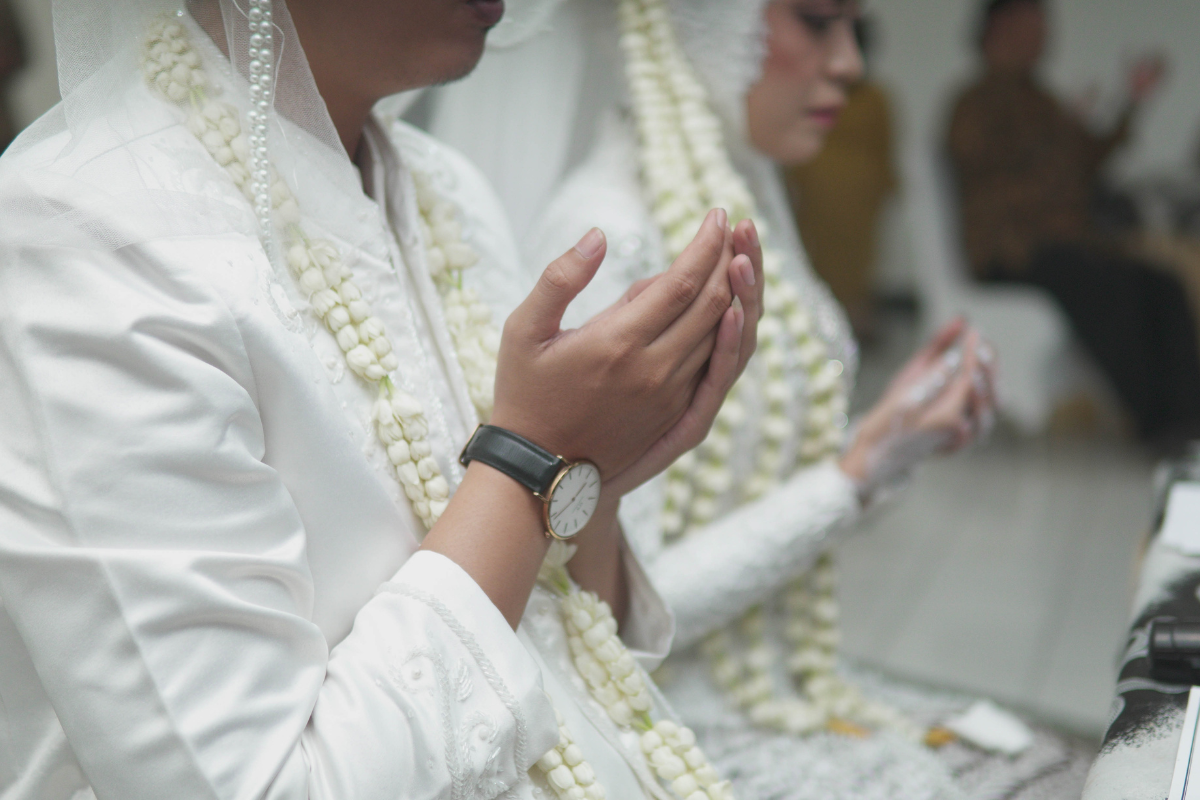
A valid islamic marriage requires more than family approval or a beautiful islamic wedding. The marriage contract must include clear offer and acceptance, mutual consent, witnesses, mahr, and no Islamic impediments. The ceremony requires specific conditions to be valid.
The core pillars are:
ijab and qabul: offer and acceptance
wali: the bride’s guardian in most Sunni views
witnesses: at least two witnesses
mahr: the agreed haq meher
publicizing the marriage is encouraged in Islam
At least two male witnesses are required for a valid Nikkah in many Sunni communities, and at least two adult Muslim witnesses must be present during the contract. Some jurists specify adult male muslims as witnesses. The Nikkah document must be signed by the couple and witnesses, and the Nikkah ceremony must be officiated by an imam or qualified person.
The groom must provide a haq meher to the bride. The marriage contract must include the agreed mahr amount. Islamic law also prevents marriage to close relatives such as paternal and maternal aunts, maternal aunts, two sisters at the same time, or a woman in a waiting period after divorce or husband’s death.
Details differ between Sunni schools, shia islam, and local practice in muslim majority countries, islamic countries, or any muslim country. For a deeper overview, see Muslim Law About Marriage.
Mutual Consent and Free Choice
Both parties must consent to the marriage freely. Both parties must consent to the marriage freely before signing any marriage contract, and both the bride and groom should understand what they are accepting.
Narrated Khansa bint Khidam Al-Ansariya: “that her father gave her in marriage when she was a matron and she disliked that marriage. So she went to Allah’s Messenger (ﷺ) and he declared that marriage invalid.” sahih al bukhari 5138.
So, can family force you? No. Can you say no? Yes. A revert sister facing pressure, or a young muslim woman unsure about a proposal, should pause, ask questions, and seek support before becoming officially married.
The Role of the Bride’s Guardian (Wali)
A wali is the bride’s guardian. In typical Sunni practice, a male guardian must represent the bride during the ceremony, usually the bride’s father, grandfather, bride’s brother, uncle, or an appointed scholar or judge.
The wali protects the bride’s interests, checks compatibility, and helps preserve dignity. Hanafi scholars allow an adult woman to contract her own marriage in certain cases, while many sunni scholars require the wali. If a wali blocks a suitable match without valid reason, local scholars or courts can help.
Mahr (Dower) and Financial Rights
Mahr is a mandatory gift from the groom to the bride. It belongs to her alone, not her family. It may be money, gold, a ring, teaching Qur’an, or another agreed gift.
The Prophet ﷺ taught simplicity; a commonly cited report states: “The most blessed marriage is the one that is easiest.” Musnad Ahmad. Mahr may be prompt or deferred, but both should be recorded clearly in the nikah nama, nikah certificate, and marriage certificate if the islamic center can issue marriage certificate paperwork.
The Nikah Ceremony: Step-by-Step Overview
A nikah ceremony may happen in a mosque, home, hall, or islamic center. Nikkah ceremonies vary significantly across different cultures; middle eastern, South Asian, African, and Western muslim cultures may all look different. Learn more through Marriage Tradition in Islam.
Before the Ceremony: Khitbah, Preparation, and Documentation
Before the islamic marriage ceremony, families usually discuss khitbah, compatibility, faith practice, children, finances, living arrangements, education, and expectations. A structured Muslim matchmaking program can make these conversations more sincere and safe.
Couples also prepare mosque forms, civil paperwork, and the nikah nama. Many Muslim couples perform both Nikkah and civil marriage as a two stage process, or stage process, to protect rights.
During the Nikah Ceremony
The marriage official usually begins with a khutbah, then the wali offers the bride in marriage and the groom accepts. The bride may sit beside him, or in another room, depending on islamic tradition and family comfort.
The marriage ceremony often includes Qur’an, du’a, ijab and qabul, signing, and announcement. Modesty matters for muslim brides and muslim men, but cultural beauty is welcome when it respects Islamic manners. At least two male witnesses are required for the Nikkah in many communities.
After the Nikah: Walimah and Starting Married Life
After the muslim nikkah, the walimah is the marriage feast and wedding reception. It can be simple or large, but Islam encourages avoiding debt and showiness.
The du’a for newlyweds is: “Bārakallāhu laka wa bāraka ‘alayka wa jama‘a bainakumā fī khayr.” “May Allah bless you, and send blessings upon you, and unite you in goodness.” Abu Dawud; Tirmidhi.
Married life begins with worship, patience, privacy, and mutual kindness. Later, couples can mark milestones with du’a and reflection using Nikkah Anniversary Quotes.
Nikah and Civil Marriage: Law, Rights, and Protection
Nikah is governed by islamic law; civil marriage is a legal requirement of the state. Civil marriage law determines whether a marriage is legally binding, legally recognized, and protected in court.
Nikkah is not legally recognized in non-Muslim countries in many cases. In the United States, UK, Canada, and parts of Europe, rules vary, but nikah alone may not protect inheritance, custody, divorce, visas, or benefits. A civil marriage gives legal recognition under civil law.
Key reasons to register:
inheritance and financial protection
custody and parental rights
immigration or visa benefits
divorce and maintenance clarity
How to Integrate Nikah with Civil Marriage in Practice
Many couples apply for a marriage license, hold a civil ceremony, then complete nikah; others do both on one day. In some places, an imam can act as marriage official for both.
The safest path is to ask your local imam and check local law. Combining contracts honors spiritual commitment and worldly responsibilities.
Roles, Rights, and Responsibilities in Muslim Marriage
Allah says: “They are clothing for you and you are clothing for them.” Surah Al-Baqarah 2:187. This image teaches closeness, protection, warmth, and privacy.
A muslim husband traditionally carries financial responsibility, while a wife has rights to respect, security, and kindness. Modern married couples may share budgets, careers, childcare, and housework through mutual respect and consultation.
For communication support rooted in faith and emotional intelligence, Love, InshaAllah offers a compassionate starting point.
Communication, Conflict, and Compassion
Most conflicts grow from unclear expectations. Couples should practice listening, calm speech, regular check-ins, and early counseling when needed.
Sensitive topics include careers, in-laws, worship, children, conflict styles, and money. Private correction and forgiveness protect love.
Living Arrangements, In-Laws, and Boundaries
Many scholars affirm a wife’s right to private living space, while Islam also honors parents. A clear islamic marriage contract may include living arrangements, work, study, or polygyny conditions.
A couple might say: “We love our family members, and we also need privacy to build our home.” This tone protects elders while supporting the bride and groom.
Modern Questions Around Nikah Muslim Marriage
Modern nikah muslim marriage questions include reverts, long-distance matches, cross-cultural families, and digital introductions. Islam focuses on faith, character, consent, and clarity.
Nikah misyar, misyar marriage, temporary marriage, nikah mut’ah, and pleasure marriage are debated. Most Sunni scholars advise against arrangements that weaken rights, while Shia scholars discuss nikah mut’ah differently. Interfaith questions also need care: many scholars allow muslim men to marry People of the Book, while they are more cautious about whether a muslim woman marry a non-Muslim man.
Online Introductions, Halal Matchmaking, and Safety
Online introductions can be ethical when boundaries are clear: avoid khalwah, involve family early, verify identity, and confirm values. A platform may mark verification successful, but families should still ask wise questions.
Unconventional or Hidden Marriages (’Urfi, Secret Nikah)
Hidden marriages and ‘urfi contracts can harm women, children, and lineage when they lack documentation or public acknowledgment. Islamic guidance emphasizes transparency, fairness, and protection.
Practical Checklist for Planning Your Nikah Muslim Marriage
Use this checklist before your islamic marriage:
renew niyyah and pray istikhara
discuss family expectations honestly
agree on mahr and write it clearly
prepare nikah nama, nikah certificate, and civil documents
confirm at least two witnesses and wali arrangements
apply for civil marriage if needed
plan a simple nikah ceremony and walimah
schedule first-year communication check-ins
A blessed marriage is built before and after the wedding ceremony. With tawakkul, wise counsel, and sincere preparation, your home can grow in sakīnah, mercy, and barakah. To see how we support couples beyond the wedding day, explore our mission and programs.