
Dowry in Islam: Understanding Mahr vs Cultural Practices in Islamic Marriage
Dowry in Islam is often misunderstood: Islamic teachings require mahr, a mandatory gift from the groom to the bride, not a payment from the bride’s family to the groom’s family. In simple terms, mahr is part of the Islamic marriage contract and belongs to the wife, while dowry, as commonly practiced in many cultures, is a social custom that can place a heavy burden on families and women.
For modern Muslims preparing for marriage, this distinction matters deeply. It protects the dignity of the bride, keeps the marriage contract fair, and helps spouses begin married life with clarity rather than pressure.
Understanding Dowry and Mahr in Islamic Context
The word dowry is often used loosely in Muslim communities, but it does not always mean the same thing in Islamic law. In many cultural settings, dowry refers to money, property, furniture, gold, household items, or gifts that the bride’s family gives to the groom or the groom’s family at the time of marriage. This may be called Jahez, Jahiziyyah, Gehaz, or another local term depending on the culture.
Mahr, by contrast, is an Islamic obligation. Mahr is a mandatory gift from the groom to the bride in Islamic marriages, symbolizing respect, love, and security for the wife. It is not a gift to her father, parents, in laws, or wider family. It belongs to the bride herself, and she has the right to use it according to her wishes.
Under Islamic law, the mahr is a mandatory payment from the groom to the bride at the time of marriage, contrasting with the cultural practice of dowry where the bride's family pays the groom's family. This difference is central to understanding dowry in Islam.
Many misconceptions appear because cultural norms in home countries sometimes become mixed with religion. Some families assume that giving dowry is necessary for a daughter to be respected as a daughter in law. Others believe the woman brings wealth, furniture, or cash to “complete” the marriage. Islamic teachings, however, place the financial marital obligation on the groom through mahr, not on the bride’s family through dowry.
In Islamic communities, there is a distinction between Mahr (dower) and Jahez/Jahiziyyah (dowry). Mahr is part of the marriage contract, while Jahez or Jahiziyyah usually refers to cultural expectations around what the bride’s family provides. When these cultural practices remain voluntary and modest, families may see them as gifts. But when they become demanded, coercive, or tied to the bride’s worth, they conflict with the spirit of Islam.
Is Dowry Permissible in Islam?
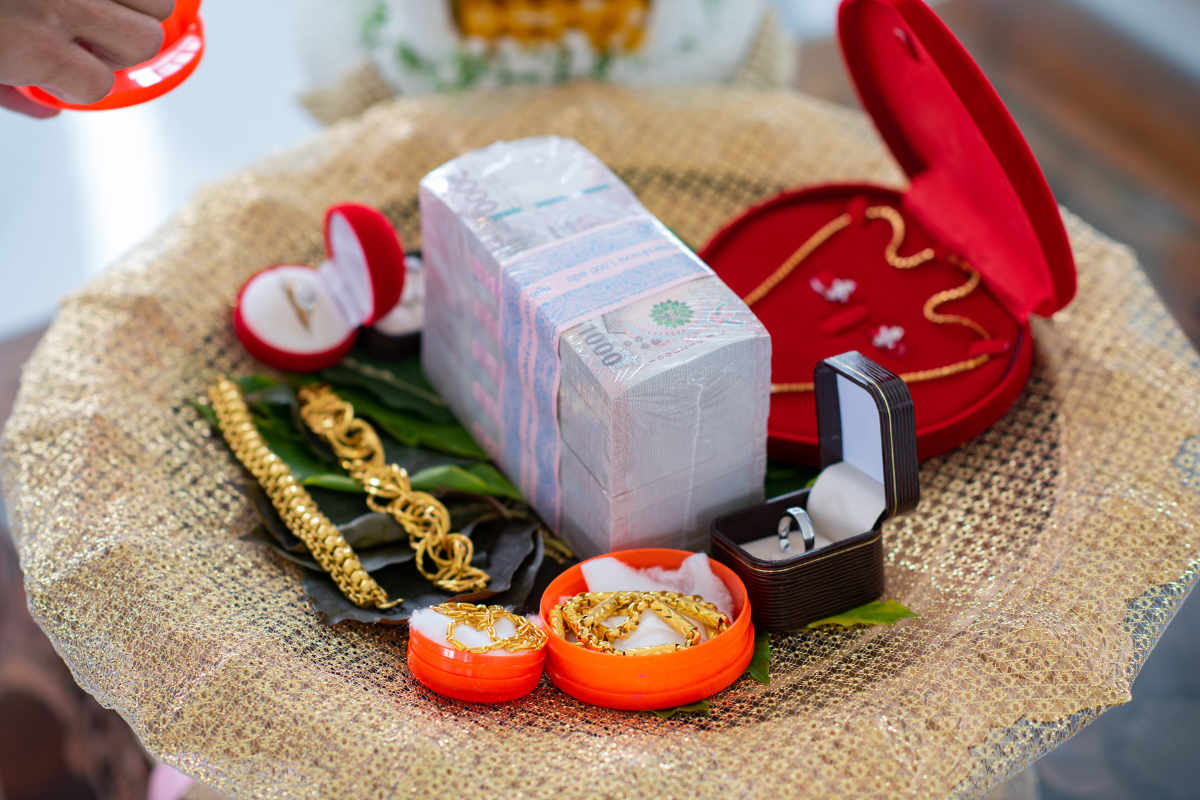
Islamic jurisprudence does not recognize a traditional dowry given by the bride's family to the groom, which is technically prohibited. Most scholars advise against practices where the groom, groom's family, or in laws demand money or property from the bride’s family as a condition for marriage.
The practice of dowry is often seen as a cultural influence that contradicts Islamic teachings, which require the groom to pay a mahr to the bride, not the other way around. This is why many scholars describe dowry demands as contrary to the ethics of Islamic marriages, especially when they create hardship, humiliation, or pressure.
Dowry can also distort the purpose of marriage. Islam presents marriage as a relationship of mercy, responsibility, and mutual protection. A marriage should not become a transaction where a bridegroom or his family measures the bride by cash, land, jewellery, household goods, or property.
The harm becomes even clearer in societies where dowry abuse is common. In cultures that demand dowry, the bride's family often faces coercion and financial strain, leading to situations where the bride may be tortured or even killed if the dowry is deemed insufficient. These issues raised by dowry practices are not small cultural disagreements; they can become matters of safety, justice, and human dignity.
In India, the Dowry Prohibition Act of 1961 was established to combat dowry abuse, yet reports indicate that dowry-related deaths continue to rise, with 6,285 deaths recorded in 2003 alone. This shows that law can address abuse, but communities also need spiritual education, family accountability, and a return to Islamic teachings.
Jahez, a cultural dowry system, pressures the bride's family to provide substantial wealth to the groom's family in some Muslim communities. Jahez is often condemned by Islamic scholars as Haram (forbidden) but remains a coercive tool in some societies. While the tone of family conversations should remain gentle, the principle is clear: marriage should not become a burden placed on daughters and their parents.
Mahr: The Islamic Alternative to Dowry
Mahr is the Islamic alternative to cultural dowry because it places financial responsibility in the correct direction: from the groom to the bride. Mahr is a mandatory gift from the groom to the bride in Islamic marriages, while dowry is a cultural practice where the bride's family gives gifts or money to the groom, which is not supported by Islam.
The Quran explicitly requires the groom to give a dower to the bride, emphasizing that it is a fundamental right of the wife. This is why mahr is not optional decoration in the nikah. It is part of the Islamic marriage contract and a religious obligation that reflects seriousness, care, and accountability.
In Islamic law, Mahr is considered a fundamental right of the wife, whereas dowry is often seen as a coercive practice that places financial burdens on the bride's family. Mahr gives the bride independent ownership over money or property. It is not a bride price, because Islam does not treat the wife as something purchased. It is a free gift and a right.
The spiritual meaning of mahr is also important. It says to the bride: your dignity matters, your security matters, and your consent matters. It helps Muslim men approach marriage with responsibility, and it helps Muslim women enter marriage with recognition of their rights.
Mahr may be small or substantial, immediate or deferred, cash or non-cash, depending on what the parties agree upon. What matters is that it remains clear, lawful, fair, and within the groom’s ability to pay.
The Wisdom Behind Mahr in Islamic Marriage
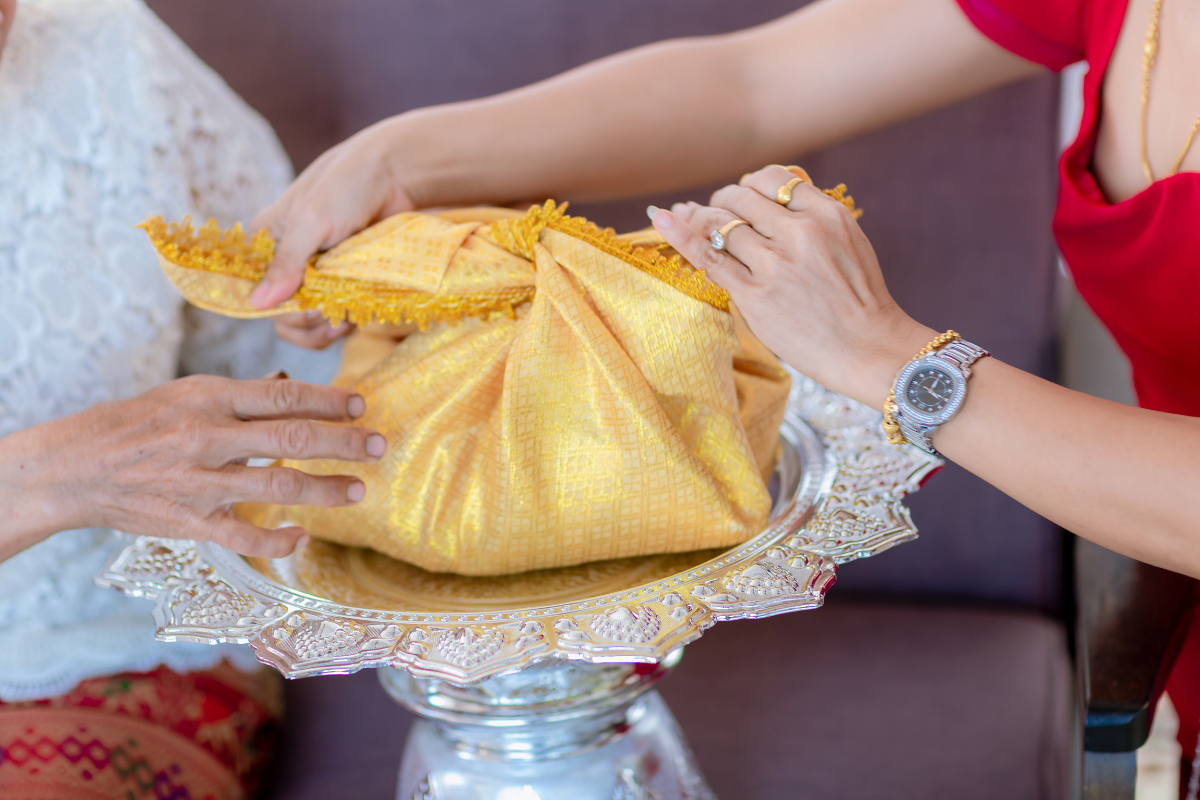
The wisdom behind mahr is both spiritual and practical. Spiritually, it reflects respect and commitment. Practically, it provides security for the wife, especially in difficult circumstances such as divorce or the husband’s death.
Mahr can be divided into two parts: muqaddam (immediate) and mu'akhar (deferred), with the latter providing financial security for the wife in case of divorce or the husband's death. The concept of Mahr includes two parts: muqaddam (immediate payment) and mu'akhar (deferred payment), while dowry does not have such a structured approach in its practice.
This structure protects the wife’s rights and dignity. If a marriage ends, the deferred mahr is not simply a symbolic promise. In cases of divorce, the deferred mahr is considered a debt owed by the husband to the wife, and it must be paid even if the husband has no assets.
For couples thinking about readiness, mahr should be discussed alongside emotional maturity, communication, faith, and practical responsibility. These conversations are connected to broader questions of Marriage age in islam, because Islamic marriage is not only about reaching a legal age; it is also about being prepared to honor another person’s rights.
A thoughtful mahr protects the bride without overwhelming the groom. It encourages spouses to begin married life with honesty instead of hidden expectations.
Types of Mahr in Islamic Law
Islamic law recognizes flexibility in how mahr is arranged. The two most common categories are Mahr Muqaddam and Mahr Muakhar, also written as mahr mu'ajjal and deferred mahr depending on language and legal usage.
Mahr Muqaddam is the prompt or immediate mahr. It is paid at the time of marriage or before the spouses begin married life together. This may be cash, gold, jewellery, property, or another agreed gift. It gives the bride immediate ownership and makes the financial terms of the marriage contract clear.
Mahr Muakhar is deferred mahr. It is paid later, either at an agreed time, upon divorce, or after the husband’s death as part of the wife’s financial rights. This deferred payment can offer security if the wife faces hardship later in life.
The concept of Mahr includes two parts: muqaddam (immediate payment) and mu'akhar (deferred payment), while dowry does not have such a structured approach in its practice. This structure is one of the reasons mahr fits within Islamic jurisprudence more clearly than cultural dowry customs.
Couples can structure mahr in different ways, for example:
A modest cash amount paid immediately, with a larger deferred mahr.
Gold or jewellery given at the nikah, with an agreed deferred amount.
Property, land, or another lawful asset transferred to the bride.
A meaningful non-cash gift, if its value and form are clear.
A small symbolic mahr when the groom cannot afford more, as long as the bride accepts it willingly.
In Indonesia, the Mahar is officially registered on Nikah Nama certificates, adhering closely to Sharia rules. This kind of documentation helps prevent confusion later and reminds both spouses that mahr is a serious part of the Islamic marriage contract.
In the Bugis community in Indonesia, Uang Panai is a wedding sum paid by the groom to the bride's family based on her education and lineage. This example shows how local culture can shape marriage payments, but Muslim families still need to distinguish between cultural practice and religious obligation.
Setting Appropriate Mahr: Guidelines and Considerations
Islamic law sets no specific monetary value or cap on Mahr, which is agreed upon based on the groom's financial standing and the bride's wishes. This means there is no universal minimum amount or maximum amount that applies to every person, every country, or every family.
A fair mahr depends on several factors: the groom’s ability to afford it, the bride’s expectations, family circumstances, local cost of living, and the overall simplicity Islam encourages in marriage. The mahr amount should be meaningful without becoming a source of debt, pride, or pressure.
Islamic guidance emphasizes balance. A mahr that is too high for the groom may create resentment or financial stress. A mahr that dismisses the bride’s wishes may feel careless or disrespectful. The best approach is honest conversation between the parties, with family support rather than family pressure.
Social status and cultural norms may influence expectations, but they should not override Islamic teachings. A family may have customs around gold, cash, furniture, or wedding celebrations, but these should remain secondary to the rights and responsibilities Allah has placed in marriage.
The bride has the right to accept, reject, or negotiate the mahr terms. Her father or wali may advise her, but the mahr belongs to her. It should not be taken by parents, used to pay unrelated family expenses, or treated as a gift to anyone else.
English courts have recognized the validity of dowry agreements in some cases, allowing women to sue for breach of contract if the husband refuses to pay the agreed sum of dowry as set out in their marriage contract. This legal recognition in some courts shows why clear documentation matters, especially for Muslims living in countries where civil law and religious marriage agreements may interact.
Examples of Mahr in Islamic History and Modern Practice
The Sunnah encourages simplicity in mahr. In Sahih al-Bukhari, the Prophet ﷺ said: “Marry, even with (a Mahr equal to) an iron ring.” This hadith does not mean every mahr must be an iron ring. Rather, it shows that even an iron ring can be valid when the groom’s means are limited and the bride accepts it.
In the time of the Prophet ﷺ and the companions, mahr sometimes took different forms. It could be money, jewellery, a garment, or another beneficial gift. The focus was not display; it was clarity, sincerity, and fulfilling the wife’s right.
Modern couples may also choose thoughtful arrangements. Some agree on a modest prompt mahr and a deferred mahr for security. Others choose gold, cash, a contribution toward education, or a clear property agreement. Some couples keep wedding expenses simple and prioritize preparing for married life rather than impressing guests.
Mahr can also be non-monetary if it is lawful, clear, and agreed upon. Islamic jurisprudence has discussed forms such as teaching, service, property, or other benefits. What matters is that the bride knows what she is receiving and willingly accepts it.
At the same time, marriage preparations should not become an arena for financial competition. Choosing a Wedding Gown, planning a nikah, arranging family gatherings, and preparing a home can all be done with beauty and modesty without turning the wedding into a burden.
The Gehaz custom in countries like Egypt, Iran, and Jordan involves providing household goods and furnishings as part of the dowry. When such customs are freely offered, families may view them as support. But if Gehaz becomes demanded from the bride’s family, it can resemble the same pressure Islam seeks to remove.
Quranic Guidance and Prophetic Teachings on Mahr
The Quran gives direct guidance on mahr. Allah says:
“And give the women [upon marriage] their [bridal] gifts graciously. But if they give up willingly to you anything of it, then take it in satisfaction and ease.”
Surah An-Nisa 4:4
This verse establishes that the bride receives her bridal gift graciously. It also shows that if the wife later chooses to give up part of it willingly, that is her decision. Pressure, embarrassment, or family force would not reflect the spirit of the verse.
Allah also says:
“And if you divorce them before you have touched them and you have already specified for them an obligation, then [give] half of what you specified - unless they forego the right or the one in whose hand is the marriage contract foregoes it. And to forego it is nearer to righteousness. And do not forget graciousness between you. Indeed Allah, of whatever you do, is Seeing.”
Surah Al-Baqarah 2:237
This verse connects mahr to fairness even when divorce happens before consummation. It teaches that financial rights in marriage should not be handled casually. The marriage contract carries responsibilities before Allah and before people.
The hadith about the iron ring also shows mercy and accessibility. The Prophet ﷺ did not make marriage impossible for a person with limited money. Instead, he guided the community toward lawful marriage with simplicity and dignity.
Together, these verses and hadith promote justice and kindness. They protect the wife from being deprived of her right, and they protect the husband from unrealistic social demands. They also remind families that Islamic marriages should be built on taqwa, not comparison.
Navigating Cultural Expectations vs Islamic Principles
Many couples understand mahr clearly, but still struggle with family pressure. Parents may worry about reputation. In laws may expect gifts. A community may treat Jahez, Gehaz, cash, furniture, or gold as proof that a daughter was honored properly. These pressures can make it difficult for a bride and groom to follow Islamic teachings calmly.
The best first step is respectful education. Rather than accusing family members, couples can share Quranic verses, hadith, and scholarly guidance. They can explain that Islam gives the wife mahr as her right and does not make the bride’s family responsible for paying the groom’s family.
It also helps to separate voluntary generosity from coercive demand. A family may choose to give their daughter household items, clothing, or support as a loving gift. But if the groom’s family demands it, delays the marriage because of it, or mistreats the bride over it, the practice becomes spiritually and ethically harmful.
Couples facing conflict may benefit from involving a trusted scholar, counselor, or respected elder. The goal is not to “win” an argument, but to protect the marriage from beginning with resentment, debt, or injustice.
Faith-based support can also help couples build healthier expectations before marriage. At FindLoveIA, our mission and programs are rooted in helping Muslims approach marriage with sincerity, compatibility, and Islamic values rather than social pressure.
Building Islamic Marriages on Strong Foundations
A strong Islamic marriage is not built on how much money a family can display. It is built on character, compatibility, faith, mercy, and responsibility. Mahr matters because it is a right, but it should sit within a larger conversation about the kind of spouses two people hope to become.
Muslim women deserve to enter marriage with dignity and security. Muslim men deserve guidance that helps them take responsibility without being crushed by unrealistic expectations. Families deserve a path that honors culture where it is beautiful, while correcting culture where it causes harm.
When Islamic practices are understood properly, they strengthen marriage. A clear mahr, a respectful marriage contract, and a simple wedding can reduce conflict before it begins. They also help spouses focus on what will matter after the celebration ends: prayer, communication, patience, finances, intimacy, and shared purpose.
For those seeking a compatible spouse with faith at the center, Love, InshaAllah reflects the hope that marriage can be pursued with both trust in Allah and wise human effort.
Moving Forward with Islamic Marriage Principles
The key difference is simple: mahr is Islamic, while demanded dowry is cultural. Mahr is paid by the groom to the bride as her right. Dowry, in the common cultural sense, is paid by the bride’s family to the groom or groom’s family, and it is not supported by Islam.
Mahr protects the wife. Dowry often burdens the bride’s family. Mahr is structured through the marriage contract. Dowry customs often shift according to social pressure, family status, and community comparison. Mahr can provide security in divorce or after the husband’s death. Dowry can become a source of control, conflict, and abuse.
Moving forward requires courage and compassion. Couples should learn the Islamic rulings before the nikah. Parents should help their daughters and sons marry with dignity, not debt. Communities should speak openly about dowry abuse and revive the Prophetic model of simplicity.
The beauty of Islam is that it does not ignore financial realities. It organizes them with justice. When mahr is understood correctly, it becomes a sign of respect, not a price; a protection, not a burden; and a reminder that marriage is an amanah before Allah.
Frequently Asked Questions About Dowry and Mahr in Islam
Is dowry required in Islamic marriage?
No. Dowry, in the sense of the bride’s family paying money or property to the groom’s family, is not required in Islam. Islamic teachings require mahr, which is given by the groom to the bride.
What is the minimum amount for mahr?
Islamic law sets no specific monetary value or cap on Mahr, which is agreed upon based on the groom's financial standing and the bride's wishes. The hadith mentioning “even an iron ring” shows that a modest mahr can be valid when accepted willingly.
Can a wife forgive or reduce her mahr?
Yes. A wife may forgive or reduce her mahr if she does so freely and without pressure. Surah An-Nisa 4:4 indicates that if women willingly give up anything from their bridal gift, it may be accepted.
What happens if mahr is not paid?
If mahr is agreed upon but not paid, it remains a debt owed to the wife. In cases of divorce, the deferred mahr is considered a debt owed by the husband to the wife, and it must be paid even if the husband has no assets.
How do we handle family pressure about dowry?
Handle it with knowledge, patience, and respectful conversation. Share Quranic guidance, hadith, and scholarly explanations. If needed, involve a trusted scholar or elder who can help both families understand the difference between mahr and cultural dowry.
Can mahr be something other than money?
Yes. Mahr may be cash, gold, jewellery, property, land, a lawful benefit, or another agreed form. The important conditions are clarity, consent, and the bride’s ownership of the gift.