
Marriage Traditions in Islam: A Complete Guide to Muslim Wedding Customs and Sacred Unions
Marriage traditions in Islam carry profound spiritual significance that has guided Muslim couples toward fulfilling partnerships for over fourteen centuries. Islam marriage is regarded as a sacred institution with religious, spiritual, and social significance. From the sacred nikah ceremony to joyful wedding celebrations that bring communities together, Muslim weddings beautifully blend religious obligations with cultural expressions that vary across the global Muslim community.
The Holy Quran describes the marital bond with extraordinary tenderness: “And among His signs is that He created for you mates from among yourselves, that you may dwell in tranquility with them, and He has put love and mercy between your hearts. Verily in that are signs for those who reflect” (Surah Ar-Rum, 30:21). This verse reveals Allah’s intention for marriage: not merely a civil contract, but a divine gift of companionship, peace, and deep affection between husband and wife. In Muslim culture, family traditions play a significant role in shaping wedding practices, leading to a rich diversity of customs influenced by both religious teachings and local heritage.
Whether you are planning your own wedding day, supporting a loved one through this journey, or seeking to understand Islamic traditions more deeply, this guide explores the customs that make Muslim marriages uniquely blessed. Islamic societies also play a key role in shaping marriage customs and social norms, further contributing to the variety of traditions observed.
A good marriage in Islam is one that is spiritually, emotionally, and socially beneficial, reflecting the values and virtues emphasized in Islamic teachings.
Spiritual Foundation of Marriage Traditions in Islam
Islamic teachings view marriage as an act of worship and a means of completing one’s faith. The Holy Prophet Muhammad (peace be upon him) emphasized this importance when he said, “Marriage is part of my Sunnah, and whoever does not follow my Sunnah has nothing to do with me” (Sunan Ibn Majah, 1846). This hadith establishes marriage not as an optional lifestyle choice but as a recommended path for believers. It is essential for spouses to fear Allah in order to maintain righteousness, spiritual growth, and fulfill their marital duties.
The Quran uses a powerful metaphor to describe the intimacy between spouses: “They are a garment for you and you are a garment for them” (Surah Al-Baqarah, 2:187). Just as clothing protects, adorns, and brings comfort, husband and wife are meant to shield one another from hardship, cover each other’s faults with compassion, and bring beauty into their shared existence. This verse reminds you spouses of the mutual comfort, affection, and mercy that should define the marital relationship.
Islam encourages early marriage for young people who are emotionally and financially ready. The Prophet (peace be upon him) advised, “O young men, whoever among you can afford it, let him get married, for it helps him lower his gaze and guard his chastity” (Sahih al-Bukhari, 5066). Islamic teachings also provide guidance for young women, emphasizing the virtues and spiritual responsibilities of marriage at an appropriate age.
For those seeking deeper understanding of scriptural guidance on this sacred union, exploring what the Quran says about marriage provides invaluable spiritual foundation.
The Nikah Ceremony: Heart of Muslim Wedding Traditions
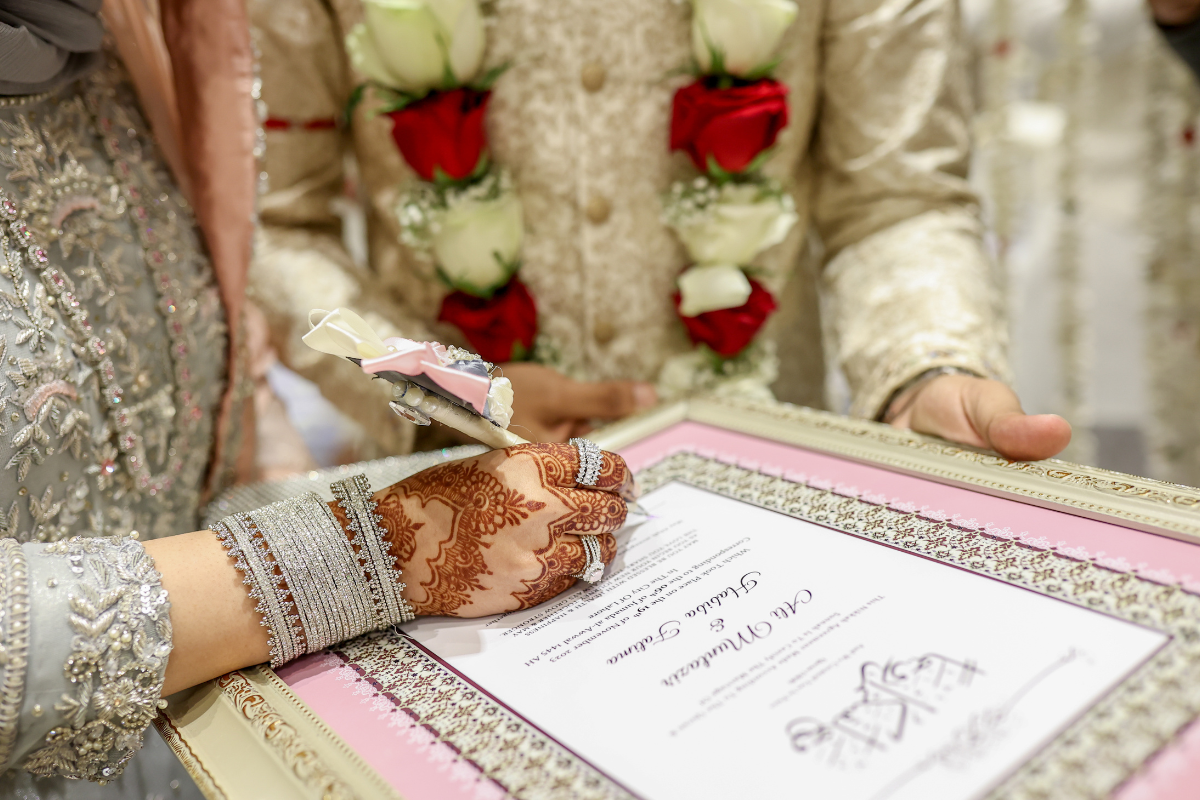
The nikah ceremony represents the religious core of marriage traditions in Islam. During the muslim wedding ceremony, the Islamic marriage contract is formally signed, making it a binding agreement between the bride and groom. Unlike elaborate Western weddings that may focus heavily on decoration and entertainment, the Islamic marriage ceremony centers on spiritual commitment, community witness, and divine blessing.
Essential Requirements for a Valid Islamic Marriage
Islamic law provides clear guidelines that ensure every Muslim marriage begins on solid foundations. The marriage contract must include several essential elements to be valid:
Mutual consent from both the bride and groom, freely given without coercion
Presence of the wali (guardian), typically the bride’s father, who promises his daughter's hand in marriage and oversees or participates in the formal wedding rituals, including vows and the exchange of dowry or bridewealth
Two adult Muslim witnesses who observe the marriage contract being established
The mahr (bridal gift), agreed upon and given from the groom to the bride
Public declaration of the marriage, distinguishing it from secret unions
Two adult Muslim witnesses are required to validate the Nikah ceremony.
The bride's parents are often involved in giving permission for the marriage and actively participate in marriage negotiations and ceremonies that symbolize the couple's union.
The Prophet (peace be upon him) made the requirement of consent unmistakably clear: “A previously married woman has more right concerning herself than her guardian, and a virgin’s consent must be sought” (Sahih Muslim, 1421). This hadith establishes that no woman can be forced into marriage against her will.
The Role of the Wali (Guardian)
In most Sunni schools of thought, the bride's wali plays an important protective role in the marriage process. The Prophet (peace be upon him) said, "There is no marriage without a guardian" (Sunan Abu Dawud, 2085). The wali ensures the prospective groom is suitable, the marriage terms are fair, and his daughter's interests are safeguarded.
Scholars hold differing views on this requirement. The Hanafi school permits an adult woman of sound judgment to contract her own marriage without a guardian present, though family involvement remains highly encouraged across all schools. The wisdom behind the wali system lies in providing protection, counsel, and family blessing for the new union.
The Mahr: Honoring the Bride
The mahr represents a mandatory gift from the groom to the bride that becomes her exclusive property. The Quran instructs: "And give the women their due dowries graciously" (Surah An-Nisa, 4:4). This tradition reflects Islam's emphasis on women's economic rights and dignity within marriage.
The amount can range from modest to substantial based on mutual agreement. What matters most is that it is given willingly and received graciously, representing respect rather than transaction. Some couples choose symbolic amounts holding personal meaning, while others agree on financial gifts providing the wife with independent security.
The Nikah Khutbah and Contract
On the actual wedding day, following a series of pre-wedding rituals and preparations, the Nikah ceremony takes place as the central event.
The actual wedding ceremony typically begins with a sermon (khutbah) delivered by an imam or religious leader. This address praises Allah, sends blessings upon the Prophet, and reminds the bride and groom of their duties toward one another. The khutbah often includes Quranic verses about marriage, grounding the celebration in Islamic teachings from its first moments.
Following the khutbah, the wali offers the bride in marriage, and the groom formally accepts. With witnesses present and the mahr agreed upon, the nikah is complete. The Nikah ceremony is the heart of a Muslim wedding where the marriage contract is signed. The actual Nikah ceremony usually lasts between 15 to 45 minutes. Many couples exchange rings at this point, though this practice comes from cultural tradition rather than religious obligation.
Beautiful Pre-Wedding Traditions
The marriage process in Islamic tradition involves meaningful customs before the wedding day itself, helping ensure marriages begin with proper preparation and spiritual grounding.
The Istikhara Prayer
Before committing to marriage, Muslims are encouraged to seek Allah's guidance through istikhara, a special prayer asking for divine direction in important decisions. This practice reflects the understanding that while human beings make choices, ultimate wisdom belongs to Allah.
Making dua for marriage is a beautiful tradition that acknowledges Allah's role in bringing compatible souls together. Whether searching for a spouse or preparing for your wedding, turning to Allah in supplication strengthens faith and invites His blessing into your journey.
Meeting Potential Spouses
Islamic teachings permit prospective spouses to meet and converse before marriage, allowing them to assess compatibility. The Prophet (peace be upon him) advised a man considering marriage: "Go and look at her, for that will help you to make a decision" (Sunan An-Nasa'i, 3235). This guidance permits appropriate interaction aimed at marriage while maintaining Islamic boundaries.
Many families facilitate these meetings with a mahram present, ensuring propriety while allowing the potential couple to get acquainted. The engagement period provides couples time to develop emotional connection and mutual understanding under family guidance, building foundations for successful marriage.
Celebrating with Mehndi and Community Gatherings
Pre-wedding celebrations like the Mehndi ceremony showcase the joyous aspects of Muslim wedding traditions. Particularly cherished in South Asian weddings, these gatherings allow families to bond while celebrating the bride's upcoming marriage. The intricate henna designs symbolize beauty, joy, and the bride's transition into married life.
These celebrations emphasize community support and family involvement, values central to Islamic marriage. The coming together of both families creates bonds that will support the couple throughout their married life.
Cultural Variations Across the Muslim World
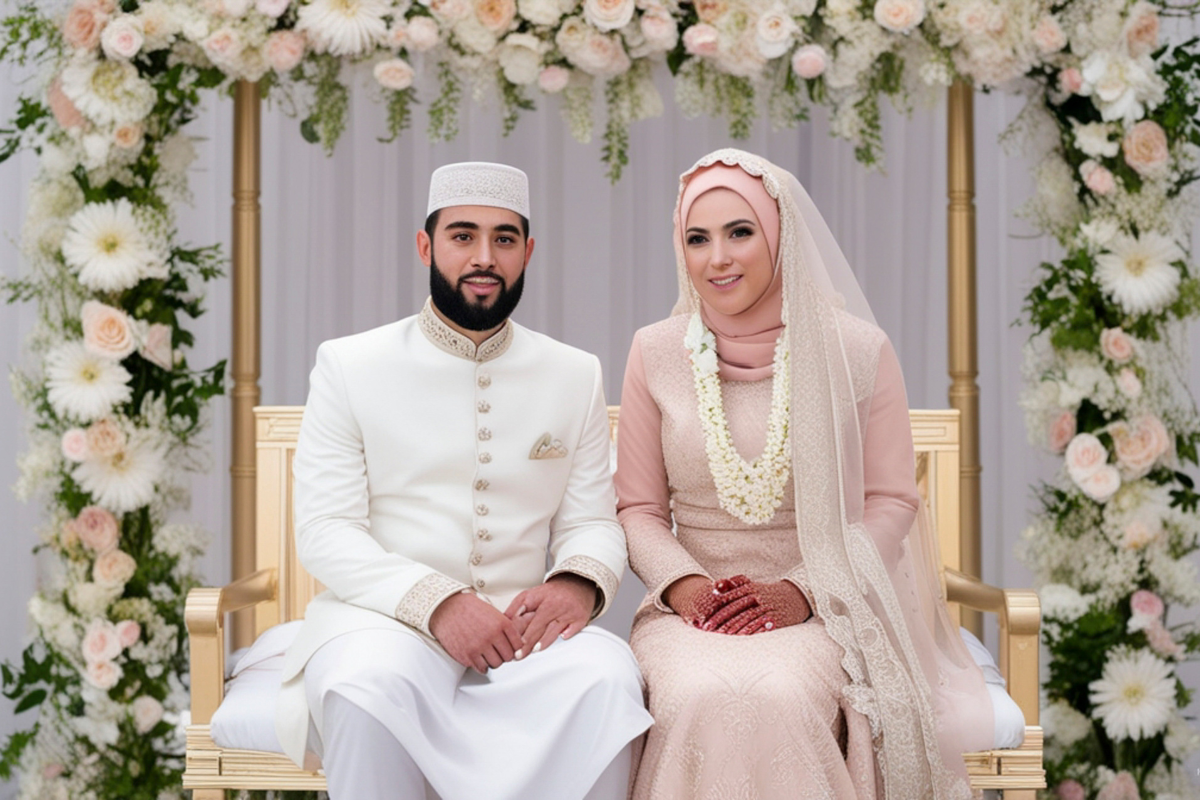
While the nikah ceremony remains consistent in essential elements across Muslim communities, wedding customs and celebrations vary beautifully based on cultural heritage and regional traditions. This diversity reflects Islam's ability to embrace local customs that do not contradict Islamic principles.
Arab Muslim Wedding Traditions
Arab Muslim wedding traditions often feature elaborate celebrations spanning multiple days. The wedding reception may include traditional music, poetry recitations honoring the couple, and lavish wedding banquets. The magnificent Zaffe, a grand entrance celebrating the couple's arrival, creates an atmosphere of joy as wedding guests participate in this festive procession.
Henna nights bring women from both families together in celebration before the wedding day. In many Arab cultures, the wedding celebration separates guests by gender, allowing both men and women to celebrate freely within Islamic guidelines regarding interaction between the opposite sex.
South Asian Wedding Customs
South Asian weddings among Muslim communities in Pakistan, India, and Bangladesh blend Islamic requirements with rich subcultural traditions. Events like the Mehndi ceremony, Mayun (bride's beautification), and Baraat (groom's procession) add layers of celebration to the central nikah ceremony.
The wedding venue for South Asian weddings often features elaborate decorations, and the bride typically wears intricately embroidered clothing in vibrant colors. While these cultural elements are not religious requirements, they add joy and beauty to the marriage celebration when kept within Islamic boundaries.
Southeast Asian Traditions
Muslim majority countries in Indonesia and Malaysia bring distinctive customs to Islamic weddings. The Bersanding ceremony, where the bride and groom sit together on a decorated dais while guests offer blessings, creates a beautiful moment of community recognition. Traditional clothing reflects local heritage while maintaining Islamic modesty standards.
Western Muslim Weddings
Muslims living in non-Muslim countries often blend Islamic traditions with local customs to create meaningful celebrations. A couple might have a nikah ceremony at a mosque followed by a wedding reception at a wedding venue that accommodates Islamic guidelines. Some couples also complete a civil ceremony to ensure legal recognition of their marriage under civil law.
The Walima: Celebrating with Community
Following the nikah ceremony, Islamic tradition encourages a wedding banquet known as walima. The Walima is a wedding banquet hosted by the groom's family after the Nikah ceremony.
The Prophet (peace be upon him) instructed, “Give a wedding feast, even if with one sheep” (Sahih al-Bukhari, 5167). He also emphasized the importance of publicizing marriages, saying, “Announce marriages” (Sunan At-Tirmidhi, 1089).
The walima serves multiple beautiful purposes. The Walima, or wedding feast, is a significant event in Muslim weddings, often hosted by the groom's family to celebrate the marriage. It announces the marriage publicly, distinguishing it from secret unions that Islam discourages. It brings families and the Muslim community together in celebration. It provides opportunity to feed others, a blessed good deed especially significant when associated with marriage.
The wedding reception can be simple or elaborate depending on the family’s means. What matters is the spirit of gratitude and community, not extravagance. The Prophet (peace be upon him) encouraged moderation even in celebration, warning against excessive spending intended merely for showing off.
Rights and Responsibilities in Islamic Marriage
Marriage in Islam establishes a partnership of mutual care, support, and spiritual growth. According to Islamic teachings, sexual relations are only permissible within marriage, emphasizing the sanctity and moral framework that marriage provides for intimate connections. Understanding these responsibilities helps couples build harmonious family life rooted in Islamic principles.
The Husband's Role
Islamic law places primary financial responsibility on the husband. The Quran states: "Let the rich man spend according to his means; and let the poor man spend according to what Allah has given him" (Surah At-Talaq, 65:7). Beyond material provision, the Prophet (peace be upon him) said, "The best of you are those who are best to their wives, and I am the best of you to my wives" (Sunan At-Tirmidhi, 3895).
The Wife's Rights and Dignity
Muslim women enter marriage with clearly defined rights under Islamic law. She is entitled to her mahr, to financial support, to kind treatment, and to dignity in all interactions. She retains complete ownership of her property, earnings, and inheritance. A wife has the right to separate accommodation if she prefers not to live with extended family members.
Mutual Respect and Partnership
Both husband and wife share obligations toward one another: maintaining privacy in their marital relationship, remaining faithful, treating each other with kindness, and working together to raise righteous children. The Quran calls believing men and women "allies of one another" (Surah At-Tawbah, 9:71), establishing that spouses should support one another in faith and life.
Special Considerations in Islamic Marriage
Interfaith Marriage
Islamic law traditionally permits a Muslim man to marry women from the People of the Book (Christians and Jewish women), though most scholars advise marrying within the faith for greater religious harmony in family life. For Muslim women, the traditional consensus across Sunni schools holds that marrying non-Muslim men is not permitted, reflecting concerns about religious practice and children's upbringing.
Couples considering interfaith marriage benefit from consulting knowledgeable Islamic scholars who can provide guidance specific to their circumstances.
Arranged Marriages in Islam
The concept of arranged marriages in Islamic tradition differs significantly from forced marriages. Islamic law absolutely requires the free consent of both the bride and groom. Parents and family members may suggest potential spouses, facilitate meetings, and provide guidance, but the final decision belongs to the individuals marrying.
When done properly, family involvement brings wisdom and support to the marriage process. A thoughtful Muslim matchmaking program can provide similar support for those seeking compatible partners with sincere intentions toward marriage.
Early Marriage in Islam
Early marriage holds a special place in Islamic tradition, rooted in the guidance of the Holy Quran and the teachings of the Holy Prophet Muhammad (peace be upon him). Islam encourages early marriage for young people who are ready, seeing it as a means to protect individuals from the temptations and distractions of the world, and to help them establish a stable and righteous family life. The wisdom behind this encouragement is clear: marriage is considered a cornerstone of human society, providing a foundation for emotional well-being, spiritual growth, and social harmony.
In many Muslim majority countries, early marriage is viewed as a way to promote social stability and uphold moral values. The Islamic marriage ceremony, or nikah ceremony, is a beautiful and dignified event that marks the beginning of this sacred union. During the marriage ceremony, both the bride and groom must give their clear consent, reflecting the importance Islam places on mutual agreement and respect. The presence of the bride’s family, the groom’s family, and other wedding guests underscores the communal nature of marriage in Islam, as family life is seen as central to the health and happiness of the wider community.
The Holy Prophet Muhammad (peace be upon him) often spoke about the virtues of early marriage, emphasizing its role in helping young people lead fulfilling and responsible lives. By encouraging early marriage, Islam aims to foster strong, loving relationships that contribute to the well-being of individuals and the broader human society. The nikah ceremony is not just a legal formality, but a spiritual commitment that brings together two souls in a bond of love, mercy, and mutual support, setting the stage for a lifetime of shared growth and happiness.
Islamic Wedding Etiquette for Guests
Attending a Muslim wedding is a joyful and meaningful experience, and observing proper etiquette as a wedding guest is an important part of honoring Muslim wedding traditions. The wedding ceremony, often held in a mosque or Islamic center, is a sacred occasion that calls for modest dress and respectful behavior from all wedding guests. Modesty in attire is appreciated, with both men and women encouraged to choose clothing that reflects the dignity of the event and the values of the Muslim community.
During the actual wedding ceremony, guests are expected to maintain a quiet and attentive demeanor, showing respect for the bride and groom as they embark on their new journey together. It is customary in many cultures for guests to bring thoughtful gifts, such as money or household items, to help the newlyweds begin their married life. This gesture of generosity reflects the communal spirit that is central to Islamic wedding traditions.
The wedding reception that follows is a time for celebration, laughter, and togetherness. In Arab Muslim wedding traditions, the reception is often marked by warm hospitality, delicious food, lively music, and traditional entertainment. Guests are encouraged to join in the festivities, offering their congratulations and best wishes to the bride and groom. Whether attending an Arab Muslim wedding or another cultural celebration, participating with enthusiasm and good cheer helps create lasting memories for everyone involved. By observing these simple yet meaningful customs, wedding guests play an important role in upholding the beauty and joy of the Islamic wedding.
Challenges of Marriage in the Modern World
Navigating marriage in the modern world presents unique challenges for Muslim couples, as they strive to balance the timeless values of Islamic teachings with the realities of contemporary life. One of the most significant challenges is reconciling traditional expectations with the influences of Western culture, especially for young people living in diverse societies. The teachings of the Holy Quran and the guidance of the Holy Prophet Muhammad (peace be upon him) remain central to the Islamic marriage ceremony and the ongoing marital relationship, but adapting these principles to modern circumstances can require patience and creativity.
Interfaith marriage is a particularly complex issue. While Islamic law permits Muslim men to marry Jewish women or women from other monotheistic faiths, Muslim women are not allowed to marry non-Muslim men. This can create emotional and practical dilemmas for couples in multicultural environments. Additionally, many Muslim couples must navigate the requirements of civil marriage, often participating in a civil ceremony alongside the Islamic marriage ceremony to ensure their union is recognized by the state.
Despite these challenges, countless Muslim couples build successful marriages grounded in love, respect, and mutual support. Drawing on the wisdom of elders, the support of the Muslim community, and the enduring guidance of Islamic teachings, couples in regions like South Asia and beyond find ways to honor both tradition and modernity. The key to a successful marriage lies in open communication, shared values, and a deep commitment to working through life’s challenges together. By embracing both the spiritual and practical aspects of married life, Muslim couples can create strong, lasting partnerships that thrive in any era.
Finding Your Life Partner
For those still searching for a spouse, understanding these beautiful traditions inspires hope for the journey ahead. Platforms like Love, InshaAllah help single Muslims connect with potential spouses who share their values and commitment to Islamic principles.
As couples prepare for their wedding, a wedding planner often plays a key role in Muslim weddings by coordinating both traditional and modern elements, ensuring that all religious customs are properly observed, and managing various aspects of the event for a smooth and culturally respectful celebration.
The wedding day marks the beginning of your journey together. The traditions surrounding Muslim weddings exist to launch marriages with blessing, community support, and spiritual grounding. What you build together in the years that follow determines the ultimate success of your union.
Frequently Asked Questions
What are the basic rules for marriage in Islam?
Islamic marriage requires mutual consent from both bride and groom, the presence of a wali (guardian) according to most schools, two Muslim witnesses, an agreed upon mahr (bridal gift), and public announcement of the union. T
What do Muslims traditionally do on their wedding night?
Islamic tradition encourages the newly married couple to pray together, asking Allah to bless their union. The Prophet (peace be upon him) taught a beautiful supplication for this occasion. The couple begins their intimate life together in a spirit of love, respect, and gratitude to Allah for bringing them together. Privacy and gentleness are emphasized as the couple embarks on their marital relationship.
What is traditionally discouraged after marriage in Islam?
Islamic guidance discourages several behaviors within marriage. Sharing intimate details of the marital relationship with others violates the privacy spouses owe one another. Neglecting a spouse's emotional or physical needs contradicts the spirit of mercy Allah placed between married hearts. Harshness, disrespect, or any form of abuse goes against prophetic teachings about treating spouses with kindness.
What are the four things to consider when choosing a spouse in Islam?
The Prophet (peace be upon him) said, "A woman is married for four things: her wealth, her family status, her beauty, and her religion. So you should marry the religious woman; otherwise you will be unsuccessful" (Sahih al-Bukhari, 5090). This guidance applies equally when evaluating potential husbands. While physical attraction and compatibility matter, prioritizing religious commitment and good character leads to stronger foundations for successful marriage.
Can Muslims have traditional cultural weddings?
Yes, Muslims can absolutely incorporate cultural traditions into their wedding celebrations as long as these customs do not contradict Islamic principles. The essential nikah ceremony must meet Islamic requirements, but the surrounding celebrations can reflect the couple's heritage. From South Asian traditions to Arab customs to Western elements, the flexibility within Islamic marriage traditions allows each couple to create meaningful celebrations honoring both faith and culture.
How do Muslims find marriage partners today?
Modern Muslims find spouses through various halal means: family introductions, community connections, mosque events, and reputable Muslim matchmaking services. The key is approaching the search with sincere intention toward marriage, maintaining Islamic etiquette in interactions, and involving family appropriately.
Final Thoughts
Marriage traditions in Islam reflect divine wisdom about human nature, community, and the sacred nature of the marital bond. From the simplicity of the nikah ceremony to the joy of the walima celebration, each element serves a purpose in launching marriages that honor Allah and bring happiness to both spouses.
May Allah bless every couple embarking on this journey with love, mercy, and tranquility. May your wedding celebrations be filled with joy, and may your married life be even more beautiful than the traditions that begin it. Ameen.