
Key Conditions to Marry a Second Wife in Islam Explained
The conditions to marry a second wife in Islam begin with one central principle: justice. Islam allows a Muslim man to marry more than one wife, up to four in total, but the Qur’an connects that allowance to fairness, responsibility, and fear of Allah. Islam permits this only under certain situations, such as when societal needs arise or justice can be maintained.
This topic deserves care because it touches real hearts, homes, children, and futures. A second marriage is not only a legal question. It is a spiritual trust, a financial responsibility, and an emotional reality for everyone involved. In Arab countries, legal and cultural perspectives on polygamy vary, influenced by both Islamic principles and local laws. For Muslims seeking marriage through values based spaces like Love, InshaAllah, clarity helps protect sincerity, dignity, and family peace.
It is important to remember that polygamy in Islam is not a mandated practice but is allowed under specific circumstances, often as a solution to societal issues like a surplus of women due to war or crisis.
Quick Answer for Marry A Second Wife
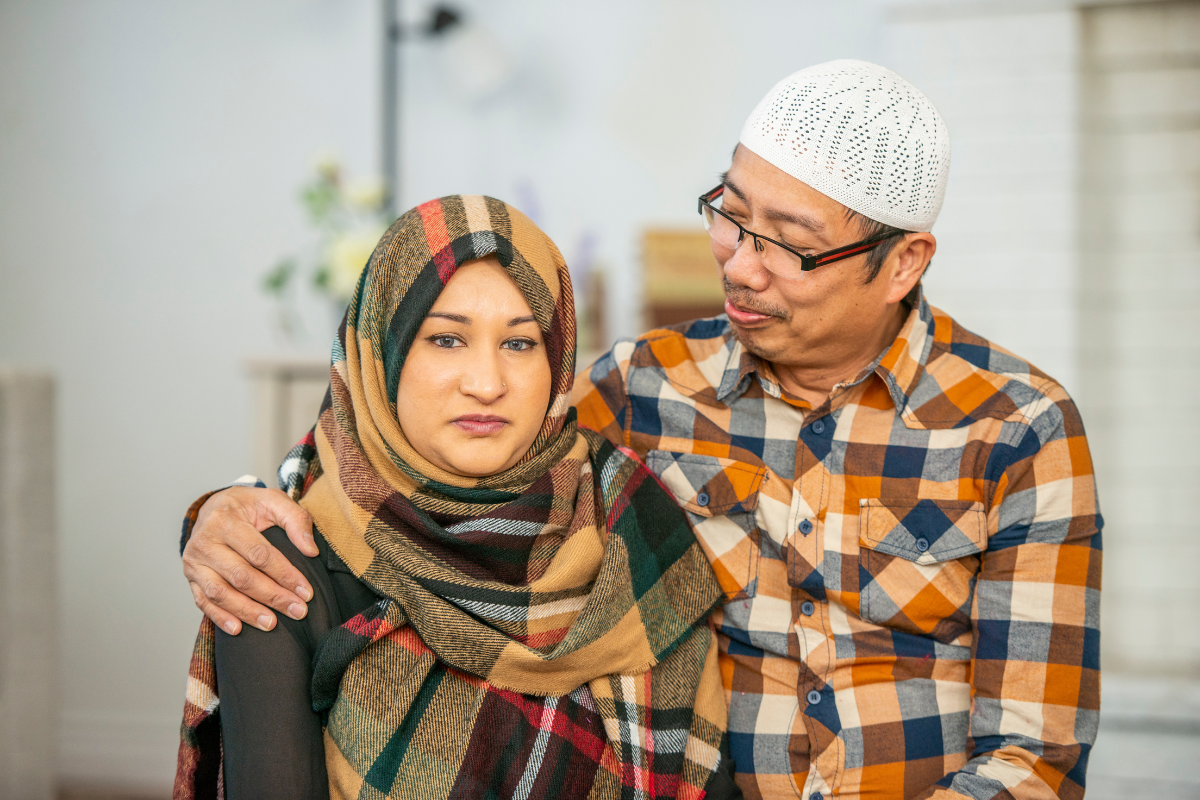
A Muslim man may marry a second wife if he can fulfill the Islamic conditions of justice, financial support, proper nikah, mahr, public recognition, and responsible treatment of both wives, according to the rules set by Islamic law. If he fears that he cannot be fair, the Qur’an guides him toward marrying only one.
The main Qur’anic evidence is Surah An Nisa 4:3:
“And if you fear that you will not deal justly with the orphan girls, then marry those that please you of [other] women, two or three or four. But if you fear that you will not be just, then [marry only] one or those your right hand possesses. That is more suitable that you may not incline [to injustice].” Surah An Nisa 4:3, Sahih International.
Here, 'right hand possesses' refers to those under one's legal care or control, as understood in Islamic jurisprudence. This verse gives the limit and the condition in the same breath. The number is not separated from the moral weight of justice. Marrying more than one wife is permissible in Islam, but only under the specific conditions outlined in the Qur’an.
What Islam Actually Allows
Islamic guidance allows polygyny, which means one man may have more than one wife, with a maximum of four wives at one time. The Qur’an permits polygamy and multiple marriages as a provision for specific social needs, and a polygamous marriage is only allowed when it serves objectives such as caring for orphans, widows, or addressing societal imbalances. It does not make multiple marriage a requirement, nor does it present it as a casual personal choice.
The Qur’an places the permission inside a framework of social care and justice. The Quran allows a man to marry women, up to four, but only if he can fulfill the conditions of justice and responsibility. Classical scholars generally recognize the allowance, while many contemporary scholars emphasize that modern family life makes fairness emotionally, financially, and legally serious. Pew Research Center reports that polygamous households are rare worldwide, with about 2% of the global population living in such households.
For most Muslim families, one wife remains the normal lived reality. A second wife in Islam is a lawful possibility only when rights are protected and harm is not ignored. Polygamy in Islam is not a general rule but a provision allowed under specific circumstances, such as caring for widows and orphans in times of war or societal imbalance.
The Main Condition Is Justice Between Wives
Justice between wives is the foundation of any discussion about a second marriage. A man must be fair in matters he can control, including time, housing, spending, communication, and public respect. Islamic law requires equal treatment of wives in practical matters such as spending, accommodation, and time division, ensuring that a husband treats his wives equally in these aspects to avoid injustice.
The Qur’an also reminds believers that perfect emotional equality is beyond human ability:
“And you will never be able to be equal [in feeling] between wives, even if you should strive [to do so]. So do not incline completely [toward one] and leave another hanging. And if you amend [your affairs] and fear Allah - then indeed, Allah is ever Forgiving and Merciful.” Surah An Nisa 4:129, Sahih International.
Scholars commonly explain that love and inner emotion may not be identical, but outward conduct must remain fair. Fairness in polygamy is not only about material support but also includes emotional aspects; while a man is encouraged to treat his wives equally in financial matters, love and affection may not be equally distributed, as this is beyond a man's control. A husband cannot use emotion as an excuse to neglect one wife, favor one household, or leave another wife uncertain and unsupported.
The Prophet ﷺ warned strongly about unfair treatment:
“Anyone who has two wives and inclines to one of them will come on the Day of Resurrection with a side (of his body) inclining.” Bulugh al Maram, reported by Ahmad and al Arba’a, with a sahih chain.
This hadith turns the conversation from permission to accountability. Justice is not a decoration around the ruling. Justice is the ruling’s moral center, and the primary goal is to avoid injustice in all dealings with wives.
Key Conditions to Marry a Second Wife in Islam

The conditions to marry a second wife in Islam are not only about whether a man wants another marriage. They are about whether he can carry another amanah with honesty and fairness. Islam allows a man to marry a second wife if his first wife is unable to bear children, as this is considered a valid reason for seeking another marriage. While a man is encouraged to inform his first wife about his intention to marry again, her consent is not a legal requirement for the validity of the second marriage.
Ability to Treat Both Wives Fairly
A man must be able to divide time in a clear and respectful way. The Qur’an refers to “those your right hands possess” (Surah An-Nisa 4:3, 4:24) as those under a man’s legal care, emphasizing the responsibility to treat all under his care justly—whether in spending, accommodation, or dividing his time. If one wife receives regular nights, family involvement, emotional care, and public recognition, the other wife should not be treated as hidden, secondary, or less deserving.
Fairness also includes speech. A husband should avoid comparing wives, using one wife to punish another, or creating competition between households.
Financial Responsibility
A husband must be able to provide maintenance according to each wife’s rights and the family’s circumstances. This includes housing, food, clothing, healthcare, children’s needs, and basic stability. Taking on a second marriage is only permissible in the course of fulfilling all financial and ethical responsibilities, as polygamy in Islam is a provision for specific circumstances rather than a universal rule.
Financial ability is not only about paying for a nikah day. It includes long term planning, debts, rent, schooling, emergency costs, and emotional pressure caused by financial imbalance.
Proper Nikah Requirements
A second marriage still requires a valid nikah. In most Sunni legal practice, this includes the woman’s consent, mahr, witnesses, and the required guardian structure according to the relevant school of law. The same legal and religious requirements apply when marrying a second woman as with the first, ensuring that the sanctity and obligations of nikah are upheld in both cases.
The Qur’an says:
“And give the women [upon marriage] their [bridal] gifts graciously. But if they give up willingly to you anything of it, then take it in satisfaction and ease.” Surah An Nisa 4:4, Sahih International.
Mahr is not a symbolic afterthought. It is a right of the bride and part of honoring marriage as a serious covenant.
Honest Intention
A second marriage should not begin from revenge, secrecy, ego, lust, or escape from unresolved conflict. The idea of marrying again should be rooted in sincere intention and religious permissibility, not societal pressure or possessiveness. The Prophet ﷺ said:
“The (reward of) deeds, depend upon the intentions and every person will get the reward according to what he has intended.” Sahih al Bukhari 6689.
This hadith matters deeply in marriage. A man should ask whether his intention is responsibility, lawful care, and family protection, or whether he is trying to avoid healing the first marriage.
Protection From Harm
Islamic ethics emphasize mercy, dignity, and responsible behavior. It would be wrong to pursue a second marriage if it leads to injustice or harm to any party involved. A second marriage should not become a tool to humiliate the first wife, pressure the second wife, or destabilize children.
The Prophet ﷺ also taught that a new marriage should not be built on pushing another woman out:
“It is not lawful for a woman (at the time of wedding) to ask for the divorce of her sister (i.e. the other wife of her would-be husband) in order to have everything for herself, for she will take only what has been written for her.” Sahih al Bukhari 5152.
This guidance protects the emotional dignity of the existing wife and reminds the future wife that marriage should not begin with injustice.
Does Islam Require First Wife Consent?
Classical Islamic discussions and modern country laws do not always answer this in the same way. Many classical jurists did not treat first wife consent as a condition for the validity of a second marriage, but they strongly emphasized justice, rights, and good conduct when a man marries for a second time.
Egypt’s Dar al Ifta states that first wife consent is not required as a classical Islamic condition, while also advising Muslims to follow the laws of their countries where such laws exist. In Egypt, the new rules of second marriage require the husband to acknowledge his marital status in the marriage document, including the names of his wives and their residences, and to notify them of the marriage. The same answer stresses that polygyny is not about satisfying whims and that fairness must be maintained.
In the United Arab Emirates, if a man has agreed with his first wife not to marry another woman, any marriage for a second time without her consent is considered void due to the breach of this condition.
This means Muslims should separate two issues:
A nikah question asks whether the marriage is valid in Islamic law.
A legal and ethical question asks whether the man has followed local law, communicated responsibly, and protected his family from harm.
For modern couples, honesty is often the wiser path even when a legal technicality is debated. Secrecy may damage trust in ways that become difficult to repair. Couples facing deep marital pain can benefit from spiritual reflection and resources such as Marriage Restoration Prayers before making life changing decisions.
What Rights Does the First Wife Have?
The first wife has rights to maintenance, dignity, fair time, respectful communication, and protection from emotional neglect. In a marriage with a single wife, these rights and expectations are similarly emphasized, as Islam seeks to fulfill natural desires, protect against harm, and nurture spiritual well-being through the marital bond—whether monogamous or polygamous. She also has the right to seek advice, understand her legal position, and use any lawful conditions included in her marriage contract.
In some countries, laws require notice, permission, court involvement, or written approval before a man can register another marriage. Egypt’s family law guidance says a man may marry up to four wives but must inform the previous wife and the future wife, and it also allows a signed contract condition that the husband may not have more than one wife.
Pakistan’s Muslim Family Laws Ordinance requires previous written permission from the Arbitration Council before another marriage during an existing marriage can be contracted or registered under that ordinance.
Morocco’s Family Code requires judicial authorization, and if permission is granted, the future wife must be informed that the man is already married and must consent before the marriage can proceed.
Local law matters. A religious conversation should not be used to bypass legal responsibility.
Can a Wife Add a Condition Against Polygyny?
Many Muslim marriage contracts allow conditions that clarify expectations, depending on the school of law and the country. A woman may discuss conditions before nikah, including housing, education, work, relocation, financial arrangements, and whether she wants a clause related to her husband taking another wife. Marriage contracts can also include stipulations about the husband's ability to marry women in the future, and such conditions may carry legal significance if violated.
Some modern legal systems explicitly recognize such clauses. Egypt’s official family law guidance notes that a signed marriage contract may include an agreement that the husband may not have more than one wife.
This conversation should happen before marriage, not after trust has already been tested. A clear contract does not weaken love. It protects expectations and reduces confusion.
Emotional Conditions Are Also Real
Many articles discuss polygyny as if marriage only involves law. Real marriage also involves feelings, children, schedules, jealousy, anxiety, trust, and belonging. Such women who face the prospect of polygamy may experience a range of emotions, from possessiveness and feeling threatened by the idea of sharing their husband, to acceptance as a reality of their marital situation.
A man considering a second wife should ask himself difficult questions:
Can I support two households without debt, resentment, or secrecy?
Can I give both wives time without making one feel abandoned?
Can I protect children from comparison and emotional insecurity?
Can I handle conflict without using religion as pressure?
Can I accept accountability from scholars, elders, and legal authorities?
The acceptance of polygamy can lead to differing emotional responses among women, with some feeling possessive or threatened, while others may come to terms with it over time. These questions do not cancel the Qur’anic allowance. They help a person approach it with taqwa. Hope in Allah’s mercy and guidance can help individuals navigate the emotional challenges that arise in polygamous marriage, offering patience and reassurance during times of uncertainty.
When a Second Marriage May Be Especially Harmful
Most scholars advise caution where injustice is likely. A second marriage may become harmful when the first marriage is already unstable, the husband cannot provide financially, the decision is hidden, or the new marriage begins through emotional betrayal.
A man should also be careful if he is using a second marriage to avoid counseling, accountability, or needed repair. Marriage problems do not disappear when another household begins. They often become more complex.
When a first marriage has reached a serious breaking point, spouses should seek wise counsel before making rushed decisions. Readers facing separation questions may find helpful background in Divorce in Islam, especially when trying to understand mercy, process, and responsibility.
The Role of Walima and Public Recognition
Marriage in Islam is not meant to live in secrecy. A valid marriage should be known, dignified, and socially protected. Historically, polygamy in Islam also addressed the needs of a large number of widows and orphans, especially after times of war when the male population was significantly reduced.
The Prophet ﷺ said:
“May Allah bestow His Blessing on you (in your marriage). Give a wedding banquet, (Walima) even with one sheep.” Sahih al Bukhari 6386.
A walima is more than food. It gives the marriage public recognition and helps protect the dignity of the bride. A second wife should not be treated like a hidden relationship. Readers who want a fuller explanation of this Sunnah can explore Walima in Islam.
Practical Checklist Before Marrying a Second Wife
A man who is serious about the conditions to marry a second wife in Islam should prepare with honesty, not impulse.
He should review his finances, current marriage, children’s needs, legal obligations, emotional capacity, and local law. He must also consider his responsibilities as a father to children in both households, ensuring he can fulfill his role as a provider, protector, and religious guide according to Islamic principles. He should also consult a qualified scholar and, where needed, a family lawyer.
A responsible preparation process may include:
Written monthly budget for each household.
Clear time schedule for both wives.
Review of the first marriage contract.
Local legal advice before any nikah or registration.
Premarital counseling for the new marriage.
Wise mediation with trusted family or scholars.
Clear mahr and housing arrangements for the second wife.
A second marriage affects more than two people. It can affect children, parents, extended family, and community trust.
Guidance for the First Wife
A first wife may feel shock, grief, anger, confusion, or fear. These emotions do not mean weak iman. They mean she is human.
She should seek support from qualified scholars, trusted family, counselors, or legal professionals. She can ask for clarity about finances, time, housing, children, and contract rights. As a mother, her role in the family and her influence on her children’s well-being are important considerations during this transition. She can also consider whether reconciliation, structured boundaries, or legal steps are appropriate.
No one should shame her for needing time. Compassion is part of Islamic character.
Guidance for the Future Second Wife
A woman considering marriage to an already married man should ask careful questions. She should not rely only on promises or emotional reassurance.
She should ask whether the first wife knows, how rights will be divided, whether the marriage will be registered, where she will live, what mahr is agreed, and how children will be supported. Marrying a man with more than one woman in his life brings unique responsibilities and challenges that require thoughtful consideration. She should also ask whether the man has sought scholarly and legal guidance.
A second wife deserves dignity from the beginning. If the arrangement requires secrecy, emotional pressure, or unclear rights, she should slow down and seek advice.
Guidance for Muslim Matchmaking
Faith based matchmaking should protect modesty, honesty, and emotional safety. Matchmaking should only facilitate marriages that are permissible under Islamic law and local regulations. When a man is already married, transparency becomes even more important.
A matchmaking process should clarify marital status early. It should encourage proper family awareness, realistic expectations, and respectful communication. It should not create private emotional attachment before essential facts are known.
This approach reflects the heart of our mission and programs, where Muslim marriage conversations should be sincere, respectful, and rooted in Islamic values.
Scholarly Balance on Second Marriage
Classical scholars generally recognized that a Muslim man may marry more than one wife, up to four, if he fulfills justice. They also warned against unfairness and neglect. Polygamy is debated among scholars, with some recommending monogamy as the safer course of action for most men, especially when the conditions for justice are difficult to meet.
Contemporary scholars often emphasize that many men underestimate the emotional and financial burden. Some advise monogamy as the safer path for most men when fairness is doubtful. Others maintain that regulated polygyny remains a lawful option in specific circumstances, especially when rights are preserved and local law is followed.
A balanced Islamic view does not deny the Qur’anic allowance. It also does not romanticize a second marriage without accountability. The healthiest framing is simple: permission comes with responsibility, and responsibility must be proven before action.
FAQs
What are the main conditions to marry a second wife in Islam?
The main conditions include justice between wives, financial ability, a valid nikah, mahr, respectful treatment, protection from harm, and compliance with local law. These rules must be strictly followed for the marriage to be valid in Islam. The Qur’an directs a man toward one wife if he fears he cannot be just.
Is it necessary to tell the first wife before a second marriage?
Classical juristic discussions vary from modern legal systems. Some scholars do not make first wife consent a condition for validity, but many countries require notice, permission, or court approval. Muslims should follow qualified Islamic guidance and local law.
Can a man marry a second wife if he cannot afford two homes?
A man should not move toward a second marriage if he cannot provide fair maintenance and stable living arrangements. Financial responsibility is part of justice, and injustice creates spiritual and family harm.
Does Islam prefer one wife or multiple wives?
Islam allows up to four wives with justice, but the Qur’an clearly guides a man toward one wife when fairness is doubtful. For many modern men, one wife is the safer and more responsible path.
Can a woman refuse a proposal from a man who already has a wife?
Yes. A woman has the right to accept or decline a proposal. She may ask direct questions about fairness, registration, mahr, housing, children, family involvement, and the first wife’s situation before making a decision.