
How Long Is Eid Al Fitr? A Complete Guide to Timing, Prayers, and Celebrations
For modern Muslim singles and couples navigating their faith journey, understanding the beautiful traditions of Eid Al Fitr creates meaningful opportunities to connect with community and celebrate shared values. Whether you’re planning your first Eid celebration or seeking deeper insight into this blessed festival, this guide explores the timing, duration, and spiritual significance of Islam’s most joyous celebration.
At Love, Inshallah, we recognize how important these sacred moments are for building lasting relationships grounded in faith and mutual understanding.
What Is Eid Al Fitr? The Festival of Breaking the Fast
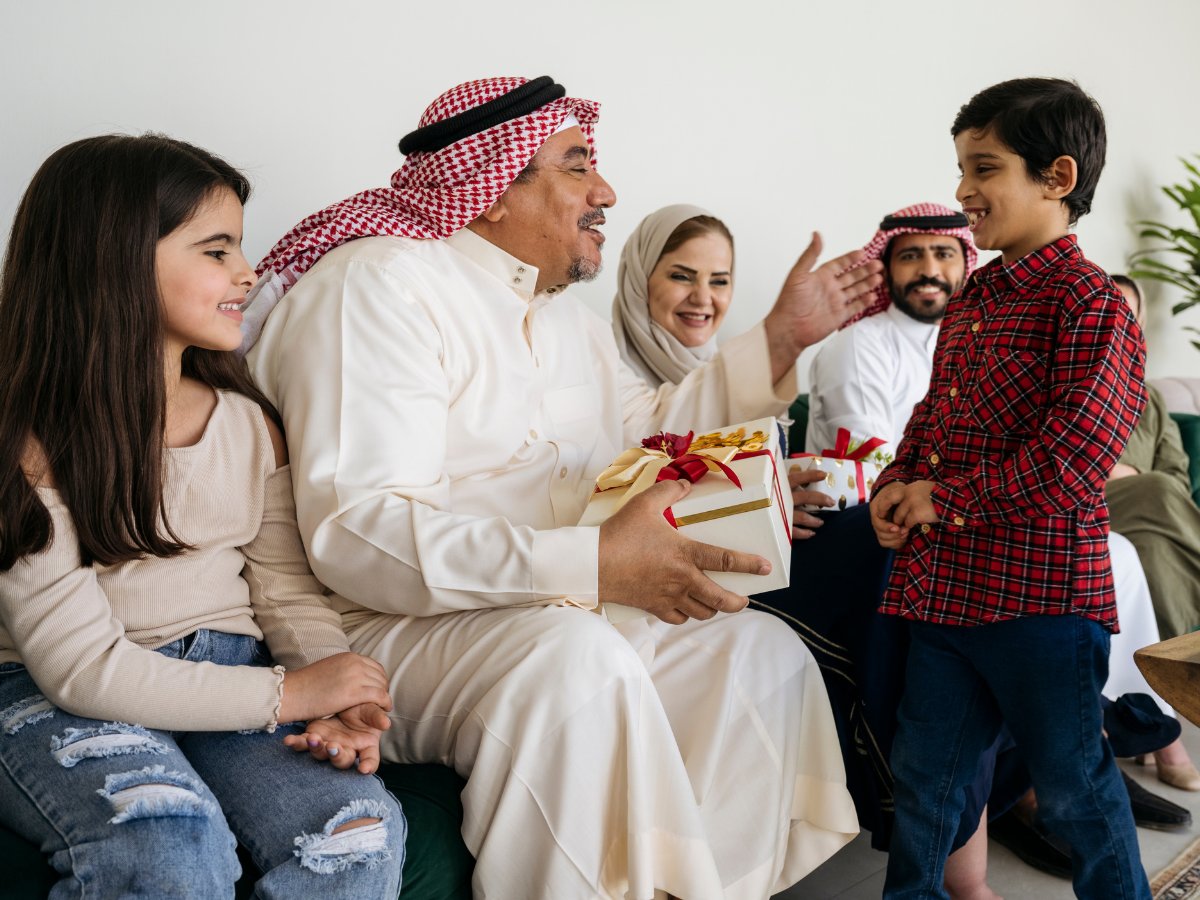
Eid Al Fitr marks the triumphant conclusion of Ramadan, when Muslims worldwide celebrate the completion of a month-long spiritual journey. Eid al-Fitr is the first of the two festivals in Islam, often called 'small Eid', while the other Eid, Eid al-Adha, is known as 'big Eid' or the 'Festival of Sacrifice'.
The celebration embodies the joy of spiritual accomplishment while emphasizing charity, forgiveness, and social harmony. Eid al-Fitr celebrates breaking the fast after Ramadan, while Eid ul Adha, the 'big Eid', commemorates Prophet Ibrahim's willingness to sacrifice his son in obedience to God, highlighting the spiritual significance and submission to God's will in both festivals.
For those seeking meaningful relationships, Eid ul Fitr offers beautiful opportunities to witness character, generosity, and devotion in action.
When Is Eid Al Fitr? Moon Sighting and the Islamic Calendar
Islamic teachings emphasize following the lunar calendar, making Eid’s exact timing dependent on moon sighting rather than predetermined dates. This tradition connects Muslims to centuries of astronomical observation and highlights the beauty of natural cycles in Islamic practice.
Local communities typically announce Eid based on verified moon sightings in their region, though some countries coordinate nationally for consistency. The variation in timing across different locations reflects Islam’s adaptability to diverse geographic and cultural contexts.
For precise dates in your area, our comprehensive guide on When is Eid provides current information and explains the scholarly considerations behind date determination.
How Long Is Eid Al Fitr? Duration and National Holiday Variations
Eid al-Fitr typically lasts one day, with the first day being the most significant for religious observances such as special prayers and communal gatherings. However, in some countries, the celebration is extended to up to three days, depending on cultural traditions and government holiday policies.
In many Muslim-majority nations, Eid al-Fitr is observed as a three-day public holiday, allowing families extended time for celebration, visiting, and community gatherings. Countries like Saudi Arabia, UAE, and Malaysia typically observe three full days, while others may designate one or two official holidays.
Some regions extend celebrations informally beyond official holidays, with community events and family gatherings continuing throughout the week. Eid al-Fitr is often called 'Sweet Eid' or 'Sugar Feast' because of the focus on sweet dishes and desserts during the festivities. This flexibility demonstrates Islam’s emphasis on community well-being and family bonds.
The Sacred Eid Prayer: Understanding Eid Salah
Eid Salah represents the spiritual centerpiece of the celebration, traditionally performed in congregation at the local mosque or designated prayer grounds. This special prayer consists of two rakats with additional takbirs, creating a unique and spiritually uplifting experience.
During the Eid prayer, worshippers recite 'Allahu Akbar' (God is Greatest) in the Takbir, glorifying God as part of the ritual.
The Prophet Muhammad (peace be upon him) said: “The first thing we do on this day of ours is pray, and then we return and sacrifice. Whoever does this has followed our Sunnah, and whoever sacrifices before that, it is just meat that he offers to his family, and it is not sacrifice.” (Sahih al-Bukhari, 951)
Different schools of Islamic jurisprudence may have slight variations in the number of additional takbirs, but all emphasize the prayer’s significance in marking the festival’s spiritual dimension.
Zakat Al Fitr and Charity: The Spirit of Giving During Eid
One of the most important obligations tied to the last day of Ramadan is paying Zakat al Fitr, a specific charitable contribution required from every Muslim before Eid prayers begin.
The Prophet Muhammad ﷺ prescribed Zakat al Fitr to purify those who fasted from any indecent speech or actions during Ramadan and to provide food for poor people so they too can celebrate Eid with dignity (Sunan Abu Dawud, 1609).
Who Must Pay Zakat al Fitr
Zakat al Fitr is obligatory for every Muslim who possesses food in excess of their needs on the last day of Ramadan and Eid day. Unlike the annual Zakat on wealth which only applies to those above a certain financial threshold, Zakat al Fitr is required from virtually all Muslims, even those of modest means.
Healthy adult Muslims must pay on behalf of themselves and any dependents they support, including children, elderly parents living with them, and others under their financial care. The obligation applies regardless of whether someone actually fasted during Ramadan due to valid exemptions like illness, travel, or pregnancy.
How Much to Pay and When
The amount of Zakat al Fitr is traditionally calculated as one sa' (approximately 3 kilograms or 6.6 pounds) of staple food common in your region, such as rice, wheat, dates, or barley. Many Islamic scholars and organizations provide monetary equivalents based on local food prices to make payment easier.
The specific amount varies by location and year, but it typically ranges from $10 to $15 per person in most regions. Check with your local mosque or trusted Islamic organization for the recommended amount in your area for 2026.
Timing matters crucially for Zakat al Fitr. The latest permissible time to pay is before Eid prayers begin on Eid morning. However, most scholars recommend paying during the last few days of Ramadan so the charity can reach deserving people in time for them to prepare for Eid. Many Muslims pay on the last day of Ramadan 2026 specifically, ensuring the obligation is fulfilled before the month ends.
Paying earlier is permissible and often encouraged, as it allows charitable organizations time to distribute the funds or food to those in need before Eid. Some scholars permit payment as early as the beginning of Ramadan, though the majority prefer it be given in the final days.
The Night Before Eid: Preparing for Celebration
The night preceding Eid al Fitr, which is technically the first night of the new Islamic month of Shawwal, holds special significance. Many Muslim communities observe this night with extra prayers, celebration, and spiritual practices.
Traditionally, Muslims are encouraged to stay awake during this night in worship, though this practice isn't obligatory. The Prophet Muhammad ﷺ said: "Whoever spends the night of Eid al-Fitr in prayer, his heart will not die on the day when hearts will die" (Sunan Ibn Majah, 1782).
This night is a time for making final du'as, expressing gratitude for completing Ramadan, preparing clothes and food for Eid celebration, and spending time with family in joyful anticipation. Many families gather after the final iftar meal of Ramadan to share memories from the month, discuss what they learned, and prepare for the next day's festivities.
Celebrating Eid Al Fitr: Essential Rituals and Recommended Practices
Islamic guidance emphasizes several beautiful practices that enhance the spiritual and communal aspects of Eid celebration. Zakat al-Fitr, the obligatory charity given before Eid prayer, ensures that even the less fortunate can participate fully in the festivities.
Traditional Sunnah practices include:
Performing ghusl (ritual purification) before the celebration
Eating dates or something sweet before attending prayer
Wearing new clothes or one’s finest clothing as a sign of joy and gratitude
Engaging in charitable giving beyond the required zakat
Visiting the graves of deceased loved ones to pray for them is also a common tradition during Eid al-Fitr in many cultures.
Most scholars advise against fasting on Eid day itself, as this contradicts the spirit of celebration and gratitude that the festival represents.
After the Eid prayer, Muslims greet each other with the phrase 'Eid Mubarak', which means 'Blessed Eid'.
Eid Celebrations Around the World: Food, Culture, and Community
The beauty of Eid Al Fitr lies in how different cultures express universal Islamic values through their unique traditions. Many families gather to celebrate Eid al-Fitr, highlighting the communal nature of the festival. In South Asia, families prepare elaborate sweet dishes and visit extended family throughout the celebration period. The night before Eid, known as Chand Raat, is marked by late-night shopping and applying henna.
The Muslim community comes together for communal prayers and celebrations, sharing food, exchanging gifts, and strengthening social bonds. In the Middle East, families typically gather for large feasts featuring dishes like Kabsa (meat and rice) and Ma'amoul (date-filled cookies). In many cultures, children receive Eidi, a small sum of money or gifts given by elders during Eid al-Fitr.
Eid al-Fitr is known under various names around the world. In Turkey, it is called Şeker Bayramı, or Sugar Feast, focusing on sweets like baklava and Turkish delight. In Indonesia, it is known as Lebaran, and is marked by a mass exodus called mudik, where people travel to their hometowns to celebrate with family.
Arab communities often emphasize communal gatherings and sharing special foods with neighbors, while Turkish families celebrate “Şeker Bayramı” with distinctive confections and multi-generational festivities. These diverse expressions showcase Islam’s rich cultural tapestry while maintaining core spiritual principles.
During public holidays, many Muslim communities organize large-scale celebrations that welcome newcomers and strengthen neighborhood bonds. These gatherings often provide natural opportunities for young adults to meet within appropriate Islamic frameworks.
Understanding these cultural variations enriches appreciation for Marriage traditions in Islam and how different communities celebrate life’s important milestones.
Comparing Eid Al Fitr and Eid Al Adha
In Islam, there are two festivals: Eid al-Fitr and Eid al-Adha. Eid al-Fitr, also known as the "small Eid," is celebrated on the first day of Shawwal, marking the end of Ramadan. The other Eid, Eid al-Adha, is often called "big Eid" or the "Greater Eid" and occurs on the 10th day of Dhul Hijjah, following the Hajj pilgrimage. The Quran narrates the story of Prophet Ibrahim’s willingness to sacrifice his son in obedience to God, which is commemorated during Eid al-Adha.
While Eid al-Fitr typically lasts one to three days, Eid al-Adha extends for three to four days, reflecting its connection to the Hajj pilgrimage. During Eid al-Fitr, Muslims give Zakat al-Fitr, a form of charity, while Eid al-Adha involves the ritual sacrifice (Qurbani) and the distribution of meat to family, friends, and poor people, emphasizing generosity and social solidarity.
Eid al-Adha’s timing corresponds with the completion of Hajj rites in Mecca, creating global spiritual unity as Muslims worldwide participate in commemorative acts. The extended duration allows for the practical aspects of Qurbani and the distribution of meat to family, friends, and those in need.
Both celebrations emphasize charity, community, and spiritual reflection, though their specific rituals and historical significance differ meaningfully. Eid al-Fitr is primarily a celebration of breaking the fast after Ramadan, whereas Eid al-Adha commemorates the willingness of Prophet Ibrahim to sacrifice his son in obedience to God.
Islamic Texts: Qur’anic Guidance and Prophetic Wisdom About Eid
The Qur’an beautifully captures the spirit of celebration and gratitude that defines Eid: “And that you may complete the period, and that you may magnify Allah for His having guided you, and that perhaps you may be grateful.” (Al-Baqarah 2:185) The Quran serves as the primary source of Islamic teachings, guiding the practices, rituals, and beliefs associated with Eid and shaping the way Muslims observe these important celebrations.
The Prophet Muhammad (peace be upon him) emphasized the significance of both Eid celebrations: “Every nation has its festival, and this is our festival.” (Sahih al-Bukhari, 952; Sahih Muslim, 892)
These teachings remind us that celebration, when grounded in gratitude and community spirit, becomes an act of worship that strengthens our relationship with Allah and each other.
Building Relationships During Eid: Family, Community, and Respectful Connections
Eid Al Fitr naturally creates opportunities for meaningful social interaction while maintaining Islamic principles of modesty and respect. It is a tradition to visit loved ones during Eid, strengthening family and community bonds. Family visits during the celebration allow young adults to observe character qualities that matter for long-term relationships.
For those interested in meeting potential spouses, Eid celebrations offer settings where families can interact naturally and respectfully. Many families participate in Eid gatherings, sharing meals and gifts, which further fosters a sense of community and togetherness. Community gatherings provide opportunities to witness generosity, kindness, and religious devotion in action.
Our Muslim matchmaking program recognizes these natural connection opportunities and helps individuals approach them with appropriate Islamic etiquette and clear intentions.
Practical Celebration Guidelines: Honoring Tradition While Building Community
Preparing for meaningful Eid celebration involves both spiritual and practical considerations. Begin with sincere intention and gratitude for the opportunity to celebrate this blessed occasion.
Consider these thoughtful approaches:
Prioritize charitable giving and community service during the celebration
Plan family visits that strengthen relationships and create positive memories
Participate in community events that welcome diverse backgrounds and experiences
Use the occasion to practice forgiveness and reconciliation where needed
These practices create environments where authentic character emerges naturally, supporting the development of relationships built on shared values and mutual respect.
Frequently Asked Questions
How long is Eid Al Fitr exactly?
Eid Al Fitr traditionally lasts one to three days, with the first day being most significant for religious observances. The exact duration varies by location and cultural practice.
Can Eid occur twice in one Gregorian year?
Yes, because the Islamic lunar calendar is approximately 11 days shorter than the Gregorian calendar, occasionally Eid Al Fitr may occur twice within a single Gregorian year.
Why do Eid durations vary between countries?
Variations reflect differences in government holiday policies, cultural traditions, and local community practices, all operating within the framework of Islamic guidance.
Connecting Faith and Relationships
Celebrating Eid Al Fitr reminds us that joy, community, and spiritual growth naturally support the development of meaningful relationships. These sacred occasions provide frameworks for connection that honor Islamic principles while celebrating life’s beautiful possibilities.
For those seeking to build lasting relationships within a faith-based community, explore our Free Muslim Dating Site and discover how shared celebrations like Eid create foundations for lifelong partnerships grounded in mutual respect, spiritual growth, and genuine compatibility.
May your Eid celebrations bring joy, spiritual renewal, and meaningful connections that enrich your faith journey for years to come.