
Dating a Muslim Boyfriend: 5 Things to Know for a Smooth Journey
Relationships across faith lines, cultural boundaries, and family expectations are rarely simple. If you've searched for answers about having a muslim boyfriend, you're not alone - and you deserve clarity without shame.
This article walks through what Islamic teachings actually say, what life with a Muslim man looks like day to day, and how to navigate everything from family pressure to interfaith love with sincerity and respect.
Quick Answer: Can You Have a "Muslim Boyfriend" in Islam?
The short, honest answer: traditional Islamic law does not recognize casual boyfriend–girlfriend relationships. Intimacy - emotional or physical - is meant to exist within nikah, the Islamic marriage contract. In many Muslim families, dating is viewed as a step toward marriage rather than a casual relationship, which reshapes what "boyfriend" even means in this context.
A muslim man who is practicing his faith is generally not permitted to engage in a relationship that involves physical intimacy before marriage. Traditional Islam prohibits premarital sex and intimate acts in public. Even when he calls it "dating," the tension between Western social norms and Islamic boundaries is real, and many Muslim men genuinely struggle with it.
Islam draws a clear line between haram romantic setups - seclusion, sexual relations outside marriage, secret relationships - and halal pathways like supervised courtship (taʿāruf), formal proposal (khitbah), and nikah. Some Muslims still use the word boyfriend culturally while trying to keep things halal: supervised meetings, no physical intimacy, and a clear marriage intention from the start.
This article will not shame anyone. The goal is to help you move toward a relationship that is emotionally healthy and Islamically sound - whether you're a muslim girl, a christian woman, or simply someone trying to understand the person you love.
Later sections cover specific scenarios: interfaith dynamics, family pressure, physical boundaries, and what it looks like when a muslim guy is actually serious about marriage.
Understanding How Faith Shapes a Muslim Man's Love Life
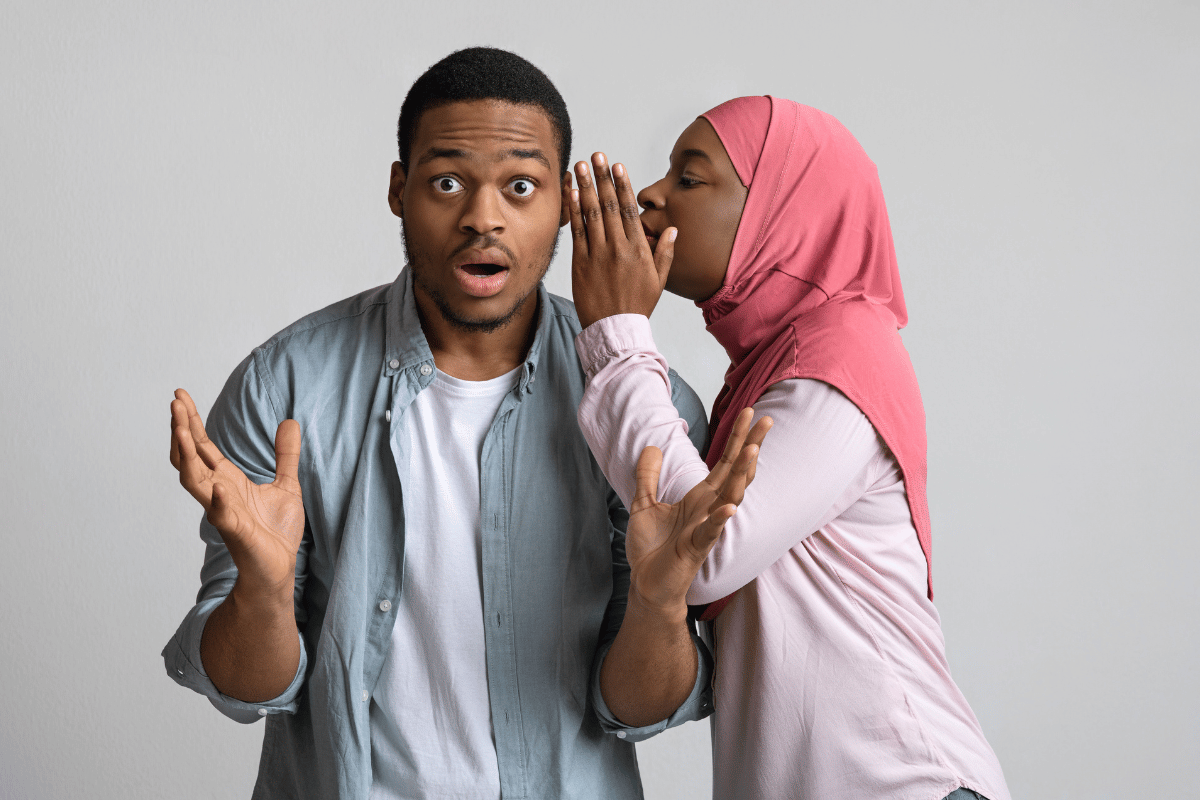
For many Muslim men, faith is not a Sunday-morning habit - it's the architecture of daily life. The way a muslim man views love, sex, and commitment is deeply shaped by religion, family ties, and culture, often all at once. Family ties are highly valued in Muslim culture, meaning that romantic decisions rarely happen in isolation.
Islam influences daily life through five daily prayers, which means your partner may pause mid-date to pray. Key practices that affect relationships include:
Five daily prayers (salat) - maintained even during busy social periods; some couples synchronize schedules around prayer times.
Fasting in Ramadan - no eating, drinking, or sexual activity during daylight hours for an entire month.
Halal food - not every restaurant or gathering works; food sourcing matters.
Modesty (hayaʾ) - interaction with the opposite gender is regulated, from dress to behavior.
No physical intimacy before nikah - this is a firm boundary for many practicing men.
The Qurʾān frames marriage as a source of peace: "And among His Signs is this, that He created for you mates from among yourselves, that ye may dwell in tranquillity with them, and He has put love and mercy between your (hearts): verily in that are Signs for those who reflect." - Surah Ar-Rum 30:21. This verse reveals that a Muslim boyfriend's mindset ideally centers on seeking tranquility (sukūn), love (mawaddah), and mercy (rahmah) - not just romance.
Not all Muslim men are the same. A 29-year-old British-Pakistani software engineer in London might pray regularly but live with urban, secular norms. A 23-year-old student in Toronto might be less observant. These variations shape how openly a guy engages in relationships and what boundaries he sets. Spaces like Love, InshaAllah and our mission and programs exist to help Muslims explore faith-centered love and marriage with intention.
Dating a Muslim Man as a Non-Muslim or Christian Woman
Picture this: a christian woman with a muslim boyfriend in New York, spending Ramadan together for the first time. Or a non muslim woman in London navigating her partner's family dinner where she's the only person who isn't Muslim. These are real scenarios, and they raise real questions about conversion, children, and community acceptance.
Muslim men are allowed to marry Christian or Jewish women (People of the Book), but scholars attach conditions and note modern complications. A muslim woman, by contrast, cannot marry a non muslim man under mainstream Sunni jurisprudence - this ruling is well-documented.
Even where marriage is technically permitted to a christian woman, premarital boyfriend–girlfriend dynamics - sleepovers, sexual relations - remain haram. Islamic law does not grant exceptions based on the partner's faith.
Some assume all Muslim families expect conversion in relationships. The reality is more nuanced: islamically, conversion must be voluntary. A partner may hope for openness to islam, but forced conversion violates Islamic principles.
Discussing religious upbringing and family traditions is important in interfaith relationships. Essential early conversations include views on god, children's religion, Christmas vs. Eid, church vs. mosque attendance, circumcision, and whether either person is expected to convert.
Legal systems in the UK, US, and Canada recognize civil marriage, but a muslim man may still want a nikah ceremony performed by an imam with witnesses. Understanding both legal and religious requirements early prevents confusion.
For a deeper dive into what these dynamics look like in practice, explore this guide on Muslim and Christian relationship.
Is It Halal to Date? What "Boyfriend" Means in an Islamic Context
The English word boyfriend does not exist in classical Islamic jurisprudence. Scholars instead discuss khalwa (seclusion between unmarried men and women), zina (sexual relations outside marriage), taʿāruf (getting-to-know-you process), and khitbah (formal proposal). The rulings revolve around these concepts, not Western dating terminology.
The majority scholarly view holds that physical intimacy, seclusion, and secret relationships before nikah are prohibited. The Prophet ﷺ said: "A man must not be alone with a woman except with a mahram." (لَا يَخْلُوَنَّ رَجُلٌ بِامْرَأَةٍ، إِلَّا مَعَ ذِي مَحْرَمٍ) - Sahih al-Bukhari & Sahih Muslim. This hadith means romantic meetings without oversight are not considered permissible.
Some contemporary scholars and Muslim counselors accept structured courtship for marriage: supervised meetings, clear timeframes, family awareness, and no physical intimacy. Some couples practice halal dating to avoid traditional one-on-one dates. Discussions about religious values and family expectations early can facilitate relationships significantly.
In 2024 Berlin, young Muslims arranged taʿāruf meetings in cafés with friends present - no physical contact, just honest talk about life goals. In Toronto, couples do video calls with parents or sisters present before emotional intimacy deepens.
The concept of sadd al-dhara'i (blocking the means to temptation) explains the wisdom behind these boundaries: it's about protecting both partners from hurt and spiritual harm.
If you want to explore halal frameworks in more depth, this resource on whether you should Date a single muslim offers practical guidance.
When a Muslim Boyfriend Is Serious About Marriage
A serious muslim man doesn't necessarily send poetic texts at midnight - he talks about nikah, timelines, and meeting families. Dating in a Muslim context is often viewed as a step toward marriage, so a man who avoids these conversations may not be as committed as he claims.
He introduces you to a trusted imam or elder, not just his friends.
He is willing to discuss mahr (dowry), children, and whether you'll raise kids in islam, christianity, or both.
He avoids long, indefinite relationships. A sincere person will aim for a concrete timeline - planning nikah in 2025 after finishing studies, for example, rather than "eventually, inshaAllah."
Some families expect quick progression toward marriage. His willingness to involve parents and guardians (wali) signals seriousness. For Muslim women especially, the wali's role in the marriage process is significant.
Practical marriage prep matters: immigration (spousal visas in the UK or US), financial readiness, housing, and expectations about both partners working. Discussing relationship timelines is crucial in traditional families.
Couples who are honestly interested in building something real may benefit from a Muslim matchmaking program that supports intentional, healthy commitment.
Family, Culture, and Community: Why Your Muslim Boyfriend May Hesitate
If you've been dating a Muslim man for almost a year and he still hasn't told his parents about you, you're probably hurt. Family approval is very important in many Muslim cultures, and his silence may not mean he doesn't love you - it may mean he's scared of the fallout.
Culture can be as powerful as religion. A South Asian family may expect marriage within the same ethnicity. An Arab family might prioritize the same country or village. A Turkish or Nigerian family could have entirely different expectations. Family dynamics vary based on traditional or conservative values, and a 28-year-old muslim guy in 2026 might be dealing with immense pressure to accept an arranged introduction while secretly involved with a non muslim woman.
Typical family concerns include reputation in the community, whether children will be raised Muslim, fear that the partner won't respect hijab, and whether she'll accept Islamic holidays like Eid al-Fitr and Eid al-Adha.
Family dynamics vary dramatically in Muslim relationships. Family acceptance can vary significantly among different relationships - one family might welcome a christian woman warmly, while another might refuse to hear about it.
Anwar's uncle hinted at conversion during family interactions - a common experience where relatives drop suggestions without being directly asked. Homemade cookies helped bridge cultural gaps with Anwar's family, proving that small gestures of respect carry weight.
His delay in introducing you can indicate inner conflict, not lack of affection. Encourage honest, time-bound conversations: "We revisit this by Ramadan 2027" is better than open-ended hope.
A British-Bangladeshi man in East London, torn between his christian girlfriend and his parents' wishes in 2023, eventually chose to bring both worlds together by arranging a respectful family dinner. It didn't fix everything overnight, but it opened the door.
Physical Boundaries, Alcohol, and Nightlife With a Muslim Guy
Many non muslim partners find it weird when their muslim boyfriend won't drink, won't go to clubs, or sets firm limits on physical intimacy. Understanding and respecting the value he places on modesty is important - this isn't about controlling you; it's about his relationship with allah.
Alcohol consumption is haram in islam. Many observant Muslim men avoid bars entirely, though practice varies - some are strictly sober, others compromise. Clear communication helps find comfortable compromises during conflicts around nightlife.
Alternative date ideas: mocktail bars in London, coffee shops in Istanbul, early-morning hikes in California, cooking traditional dishes together at home. Cooking traditional dishes can bridge cultural gaps and replace the bar scene with something more personally meaningful.
Boundaries around physical touch vary: hand-holding, kissing, and sex before marriage are all areas where a conservative, practicing man may set stricter limits. Many believe Muslim partners impose strict dress codes, but in reality, each person navigates modesty differently.
Have the direct talk: what feels halal to him, what feels respectful to you, and how both of you can honor each other without crossing his religious red lines. Open communication is important regarding cultural confusion and personal expectations.
Breaking Stereotypes: What Many Muslim Men Are Actually Like
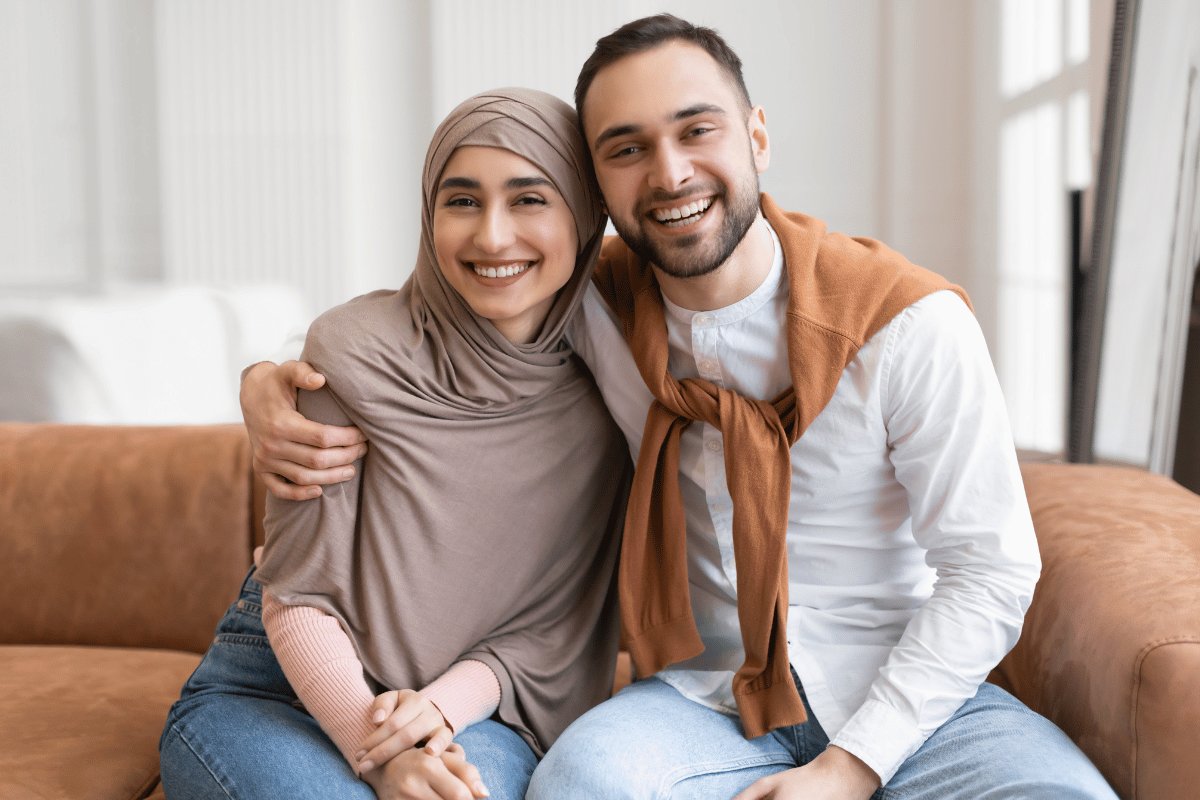
Media stereotypes about Muslim men being controlling, unemotional, or necessarily dangerous are honestly exhausting - and wrong. Stereotypes about Muslim relationships can lead to awkward situations, and misconceptions about islam can create unnecessary relationship stress for couples who are doing their best.
Positive traits partners frequently report: loyalty, strong family values, financial responsibility, commitment to charity (zakat), and deep involvement in community - in cities like Chicago, Birmingham, and Kuala Lumpur.
Stereotypes often lead to awkward questions about relationships. Random strangers may stare or comment on interfaith couples. The person you're with shouldn't have to personally explain his entire religion because someone at a party decides to ask awful things.
On polygamy: the Qurʾān states, "Marry women of your choice, two, or three, or four; but if ye fear that ye shall not be able to deal justly (with them), then only one." - Surah An-Nisa 4:3. While multiple wives are permitted with strict conditions, most modern Muslim men are monogamous. For more detail, read How many wives do muslim have.
A Muslim boyfriend waking his partner for suhoor during Ramadan 2023, or bringing dates (the fruit) to break fast together - these are the small, real moments that define a relationship beyond stereotypes.
Red Flags and Green Flags in a Relationship With a Muslim Boyfriend
Whether you're muslim or non muslim, discerning whether a relationship is healthy matters more than any label. Cultural Confusion Check-ins help prevent misunderstandings - regular conversations where both partners address assumptions and expectations openly.
Green flags:
He's transparent about his intentions and doesn't pressure you into haram activities.
He encourages your spiritual growth - whether you worship at a mosque, church, or simply pray at home.
He treats you with ihsan (excellence) and mercy, respects your beliefs, and doesn't use religion selectively.
Understanding faith differences avoids assumptions about beliefs on both sides.
Red flags:
He hides you from everyone indefinitely. A relationship that's been secret for a year or more with no plan is a deal-breaker.
He quotes rules about your clothing (hijab, modesty) while ignoring his own religious obligations - this is manipulation, not piety.
He promises marriage with no clear steps, no mahr discussion, no family involvement. If a woman realizes after 6–12 months (say 2022–2023) that patterns of lying or secrecy are the norm, it's time to decide whether to stay.
Researching cultural etiquette shows respect in cross-cultural dating, but if he never reciprocates that effort, the relationship is one-sided.
Seek advice from a qualified imam, female scholar, or Muslim counselor rather than relying solely on anonymous social media opinions. Cultural Confusion Check-ins help address assumptions in relationships before they become resentments.
Moving Forward: Stay, Leave, or Transform the Relationship Islamically?
Some readers are in relationships that aren't Islamically ideal but are emotionally very real. That tension doesn't make you a bad person - it makes you human.
Path 1: Move toward halal. Plan nikah, reform boundaries, involve families. Practical steps: make dua together after Maghrib, attend a local halaqa in 2026, read Qurʾān reflections about marriage as a couple. Successful couples celebrate their cultural differences rather than erase them.
Path 2: End things with dignity. If your values, different religion, or futures don't align - if he'll never tell his parents, if you can't accept certain things about his faith - walking away with respect is not failure. It's wisdom.
Path 3: Slow down and renegotiate. For interfaith couples, a structured 3–6 month period to explore faith seriously, meet each other's families, and consult scholars can clarify whether marriage is advisable. Cultural fusion can include blending holiday celebrations, and creating a unique cultural fusion is essential in cross-cultural relationships.
For those who are Muslim and single again, seeking healthier, God-centered love through Love, InshaAllah offers a hopeful next step.
Allah's mercy is always open. No person is defined solely by past relationship choices. Whether you fall forward into nikah or walk a different path, do it with sincerity and peace.
FAQs
Q: Can a Muslim man have a girlfriend? A: Islamically, casual boyfriend–girlfriend relationships involving physical intimacy are not permissible. However, structured courtship with marriage intention, family involvement, and clear boundaries is accepted by many scholars as a halal alternative.
Q: I'm a christian woman - will my muslim boyfriend expect me to convert? A: Not necessarily. A Muslim man can marry a Christian or Jewish woman without requiring conversion. However, family pressures vary - some relatives may hint at or hope for conversion. Forced conversion violates Islamic principles, so any decision should be entirely voluntary.
Q: Will his parents ever accept me as a non muslim partner? A: It depends on culture, country, religiosity level, and willingness to raise Muslim children. Some families are welcoming from day one; others take years. Honest conversations about kids, religious practice, and the bible versus the Qurʾān help clarify where everyone stands.
Q: Is it true Muslim men all want multiple wives? A: No. While the Qurʾān permits up to four wives under strict conditions of justice, the vast majority of modern Muslim men - including those in the US, UK, and beyond - are monogamous. Read more via How many wives do muslim have.
Q: How can we make our relationship more halal starting this year? A: Four concrete actions: (1) reduce physical intimacy and meet in public or supervised settings, (2) involve families early rather than keeping the relationship secret, (3) set a clear marriage timeline and discuss mahr, and (4) seek guidance from a qualified imam or Muslim counselor to explain the path forward together.