
Best Types of Muslim Wedding Congratulations: A Complete Guide to Blessing Newlyweds
Marriage in Islam is far more than a social milestone. It is a sacred bond rooted in faith, mercy, and divine purpose. When a muslim couple begins their new life together, the words you offer carry real spiritual significance. The right words can invoke Allah's blessings, strengthen the couple's happiness, and remind everyone present of the deeper meaning behind the union.
This guide walks you through the best types of muslim wedding congratulations, grounded in Qur'an and authentic Hadith, so you can offer heartfelt islamic wedding wishes that truly matter.
Understanding the Sacred Art of Muslim Wedding Congratulations
When a man marries, he steps into a covenant with deep spiritual meaning. The Prophet Muhammad (peace be upon him) taught that marriage carries immense weight in a believer's life. A well-known narration states that when a person enters into nikah, they have fulfilled half of their faith, and should fear Allah in the remaining half. This hadith, reported by al-Tabaraani and al-Bayhaqi, is graded hasan by al-Albani. Some scholars hold differing views on its exact strength, but its message is widely embraced across Muslim communities: nikah is considered half of one's faith in Islam.
The Qur'an frames marriage as a manifestation of divine mercy. Allah says in Surah Ar-Rum:
"And among His signs is that He created for you from yourselves spouses that you may find tranquility in them. And He has placed between you affection and mercy."
A blessed marriage brings tranquility, affection, and mercy. These three qualities - sakinah, mawaddah, and rahmah - form the emotional and spiritual foundation that islamic weddings often emphasize through unity in faith and love. The Qur'an also states, "And We created you in pairs" (Qur'an 78:8), and spouses are described as garments for each other in the Qur'an (Qur'an 2:187), symbolizing protection, intimacy, and closeness.
This is why proper wedding congratulations matter in Islamic culture. Your sincere prayers are not empty pleasantries - they are acts of worship. When you offer marriage congratulations with genuine intention, you strengthen the couple's bond and invite divine mercy into their home. Heartfelt prayers spoken at a wedding carry the power to bless newlyweds in ways that extend far beyond the celebration itself.
How We Chose the Best Approaches to Muslim Wedding Congratulations
Selecting the best islamic wedding wish types required careful evaluation. The primary criterion was Islamic authenticity - does the approach align with the Sunnah of the Prophet Muhammad (peace be upon him) and the Qur'an? Traditional islamic wedding wishes emphasize unity and blessings, and any approach worth recommending should reflect that foundation.
Beyond authenticity, we considered spiritual depth, cultural appropriateness, ease of use, and the impact on recipients. Islamic wedding wishes invoke Allah's blessings for the couple, so each type needed to genuinely serve that purpose. Wedding cards, for instance, should lean into themes of faith and harmony rather than generic sentiments.
The importance of quranic verses and authentic Hadith in wedding wishes cannot be overstated. They ground your message in revealed truth rather than personal opinion. Blessings in Muslim weddings focus on joy and divine blessings, and scripture provides the language to express that meaningfully. Islamic wedding wishes emphasize love, mercy, and unity - values that are already embedded in the Qur'an and prophetic tradition.
Finally, we balanced traditional islamic elements with modern communication methods. A dua whispered at a nikah ceremony and a message shared on social media serve the same spiritual purpose when offered with sincerity. Both deserve attention.
Top 5 Types of Muslim Wedding Congratulations
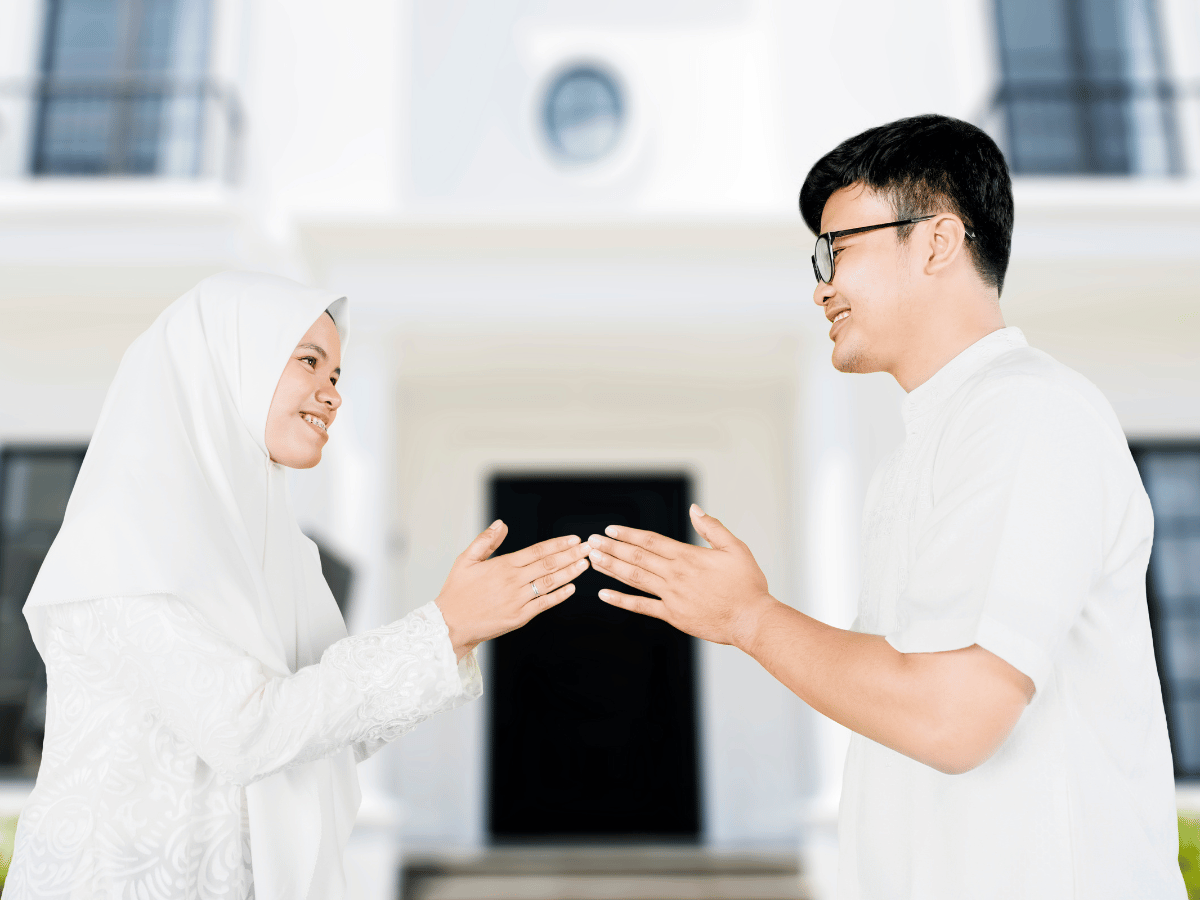
1. Traditional Prophetic Duas and Blessings
The most spiritually grounded form of muslim wedding congratulations comes directly from the Sunnah. The Prophet Muhammad (peace be upon him) offered a specific dua when congratulating those who married:
بَارَكَ اللَّهُ لَكَ، وَبَارَكَ عَلَيْكَ، وَجَمَعَ بَيْنَكُمَا فِي خَيْرٍ
"Barakallahu laka, wa baraka 'alayka, wa jama'a baynakuma fi khayr." ("May Allah bless you, bestow blessings upon you, and unite you both in good.")
This hadith is graded sahih by al-Albani and stands as the gold standard for marriage blessings. A common Islamic wedding wish is "Barakallahu lakuma," which is a shortened form of this prophetic supplication. Duas or prayers are commonly included in islamic wedding messages precisely because the Prophet himself modeled this practice.
This approach stands out because it carries the weight of prophetic authority. When you say "wa baraka 'alayka," you are following a practice preserved for over 1,400 years.
Best for: Close family members, religious ceremonies, formal occasions.
Key strengths: Authentic Islamic foundation, powerful spiritual impact, follows the Prophet's example directly. A common dua for newlyweds includes blessings for love and peace, and this prophetic supplication delivers exactly that.
Possible limitations: May require Arabic pronunciation practice. Those unfamiliar with the language might find it less personal. Pairing it with a translation helps bridge this gap. If you are preparing your own Muslim Wedding Vows, this dua pairs beautifully alongside them.
2. Personalized Islamic Messages with Quranic Verses
Combining personal sentiments with Quranic wisdom creates meaningful islamic marriage wishes that resonate on both emotional and spiritual levels. Heartfelt wedding messages often include prayers for love and mercy, and anchoring them in scripture elevates their impact.
Surah Ar-Rum 30:21 remains the most widely used verse in wedding contexts, but Surah An-Nur 24:32 also carries powerful relevance. The Qur'an encourages Muslims to marry the unmarried among them, stating: "If they are poor, Allah will enrich them from His bounty." This verse offers both encouragement and a divine blessing that speaks directly to a newly married couple.
An example message might read: "MashaAllah! May your marriage be a marriage filled with the sakinah and mawaddah that Allah describes in His Book. May Allah bless your marriage with endless happiness and mutual respect."
Short islamic wedding wishes like "May Allah bless your marriage" work well when paired with a verse reference. Duas for newlyweds often include prayers for love and mercy, and adding a personal anecdote or specific wish for the couple makes the message unforgettable.
Best for: Friends, colleagues, wedding cards, social media posts.
Key strengths: Personal touch, scriptural foundation, versatile format. These are heartfelt islamic wedding wishes at their best.
Possible limitations: Requires knowledge of appropriate verses and time to craft properly. Misquoting a verse can diminish rather than enhance the message.

3. Cultural and Family-Oriented Congratulations
Across the Muslim world, regional traditions add richness to wedding congratulations. "Mabrouk" is an Arabic word for congratulations that you will hear at nearly every Arab wedding. "Nikah Mubarak" means "Blessed Wedding" and is widely used across South Asian, Southeast Asian, and African Muslim communities. Nikah Mubarak is used to congratulate newlyweds with warmth and cultural familiarity.
"MashaAllah!" expresses appreciation and is used in wedding messages to acknowledge that what Allah has willed has come to pass beautifully - "MashaAllah" means "What Allah has willed." When family members gather and say "Nikah Mubarak" together, it strengthens community ties and honors heritage.
Regional variations include Turkish expressions like "Mutluluğa vesile olsun" or Malay phrases like "Selamat pengantin baru," often followed by an Islamic dua. The key is pairing cultural warmth with Islamic content so the message honors both identity and faith.
Best for: Extended family, community members, multicultural celebrations.
Key strengths: Honors traditions, builds community, culturally resonant. These congratulations make the couple feel seen within their heritage.
Possible limitations: May be less universal across different Muslim cultures. Requires cultural knowledge to avoid awkward missteps.
4. Modern Digital and Social Media Congratulations
Islamic wedding wishes can be shared on various platforms - from Instagram stories to WhatsApp messages. The digital age has expanded how we celebrate, and modern formats allow you to reach distant relatives and friends who cannot attend in person. Islamic wedding wishes can be shared via cards or social media with equal sincerity.
A well-designed graphic featuring calligraphy of the prophetic dua, paired with a short personal note, makes an excellent post. Something like: "MashaAllah! May Allah grant you both a lifetime of endless blessings and endless joy. May your nikah bring peace and barakah into your home."
Islamic weddings often include heartfelt prayers and blessings, and digital platforms give these prayers wider reach. WhatsApp messages with a dua image and personal congratulations have become the norm for younger generations.
Best for: Younger couples, distant relatives, public celebrations.
Key strengths: Wide reach, visual appeal, easy sharing, modern relevance. These best wedding wishes combine accessibility with faith.
Possible limitations: Less intimate than face-to-face blessings. Brevity constraints can limit depth. There is also risk of messages feeling generic without personal effort.
5. Dua-Focused Prayers for Future Blessings
This approach goes beyond celebration to focus on the couple's future - their married life, their growth in faith, and the blessings they hope to receive. These longer supplications ask Allah to guide the couple, grant them righteous children, protect their home, and make their love story one that pleases Him.
An example: "Ya Allah, grant this couple sakinah in their home and make them garments for one another. May Allah protect them from hardship and Allah strengthen their bond through every trial. May Allah fill their life filled with endless peace, and bless them with righteous children who bring them joy. Ameen." The word "Ameen" means "May it be so," and it seals the supplication with collective hope.
Best for: Elders to younger couples, religious mentors, spiritual guidance during speeches. Those exploring Muslim Marriage Age considerations will find that these prayers also apply to couples at any life stage.
Key strengths: Future-oriented, deeply spiritual, comprehensive life blessings. These sincere duas carry weight that lasts well beyond the wedding day.
Possible limitations: May be lengthy for casual settings. Requires understanding of Islamic life goals and comfort with public supplication.
How to Choose the Right Type of Muslim Wedding Congratulation
Choose Based on Your Relationship with the Couple
Your relationship with the couple shapes what feels appropriate. Parents and elders carry a unique role - their sincere congratulations paired with future-focused prayers hold particular weight. A dua from a mother or father asking Allah to shower the couple with mercy resonates differently than a friend's message.
For friends and peers, personalized islamic messages with a verse or hadith reference strike the right balance between warmth and faith. Colleagues and acquaintances can rely on the prophetic dua - it is always appropriate, always respected, and never misplaced. If you are exploring how to find a righteous spouse through a Muslim matchmaking program, understanding these dynamics helps you appreciate the community that surrounds marriage in Islam.
Choose Based on the Setting and Occasion
Formal nikah ceremonies call for traditional approaches - Arabic supplications, written wedding cards with calligraphic script, or spoken prophetic duas. When the setting is a mosque or a formal hall, lean toward the traditional islamic greeting that begins with invoking Allah's name and blessings.
Casual celebrations, online gatherings, or social media posts allow for more creative expression. A traditional islamic greeting can be adapted for digital formats without losing its essence. The islamic way to congratulate remains the same whether spoken aloud or typed on a screen - the sincerity behind it is what matters.
Choose Based on Cultural Background and Preferences
Consider the couple's cultural heritage and level of religious observance. Some couples prefer Arabic duas exclusively, while others appreciate messages in their local language that weave in Islamic content. In multicultural settings where families from different backgrounds come together, blending approaches works beautifully.
A couple with hearts united across cultures might appreciate hearing both "Nikah Mubarak" and a regional blessing. The goal is finding the balance between authenticity and accessibility - making sure your marriage quotes and prayers land with genuine meaning rather than confusion.
Which Congratulation Style Is Best for You?
Choosing depends on your intention and context. Here is a straightforward guide:
Choose Traditional Prophetic Duas if you want maximum Islamic authenticity and to follow the example of the Prophet Muhammad (peace be upon him). This is the best islamic wedding wish rooted in Sunnah.
Choose Personalized Islamic Messages if you want to combine faith with a personal touch. These allow you to express specific prayers and share meaningful islamic marriage wishes with divine support woven in.
Choose Cultural Family-Oriented if you want to honor heritage and community. These messages celebrate identity alongside unwavering faith.
Choose Modern Digital Formats if you want contemporary reach and visual appeal. Perfect for when you cannot attend but still want to invoke Allah's blessings from afar.
Choose Future-Focused Prayers if you want to provide spiritual guidance and long-term blessings. Ask Allah to guide the couple, seek refuge in His protection for them, and pray for a successful marriage that endures.
Many people find that combining two or three types creates the most powerful message. A prophetic dua followed by a personal wish and sealed with a future-focused prayer covers every dimension of a divine blessing.

Final Thoughts on Muslim Wedding Congratulations
The beauty of muslim wedding congratulations lies not in eloquence but in sincerity. Whether you recite the prophetic dua in Arabic or send a simple WhatsApp message saying "May Allah bless you both with a blessed life and a beautiful journey together," your intention is what reaches the heavens. Allah's guidance shapes every aspect of marriage, from the nikah ceremony to the decades of partnership that follow. Every marriage brings the potential for endless happiness when grounded in Allah's mercy and islamic values.
All five approaches explored in this guide can be combined for maximum blessing. A message that opens with "Nikah Mubarak," includes a Qur'anic reference, adds a personal prayer, and closes with "Ameen" - that is a congratulation worthy of the occasion. Islamic teachings remind us that supporting a newly married couple through sincere duas and encouragement is an act of faith itself.
If you are on your own path toward finding Love InshaAllah and building a marriage rooted in faith, remember that the community surrounding a muslim couple begins long before the wedding day. Learn more about our mission and programs dedicated to helping Muslims find meaningful, faith-centered partnerships. May your marriage bring everything you pray for, and may Allah grant every couple reading this a life filled with sakinah, love, and endless blessings.