
Why Can't Muslims Date: Finding Love Within Guidelines
The question why cant muslims date comes up constantly, especially among young muslims navigating life in the western world. The answer is straightforward, but the path forward deserves more than a one-liner. This guide breaks down the Islamic reasoning, addresses modern realities, and offers practical halal pathways to finding a spouse.
Understanding The Core Question: Why Can't Muslims Date?
When people ask why cant muslims date, they usually mean casual romantic relationships - spending time alone with someone, exploring physical and emotional intimacy, with no firm intention to get married. Mainstream islamic scholars prohibit this type of dating because it creates a direct pathway to zina (fornication) and fosters emotional and physical contact outside of nikah (marriage).
The Quran promotes modesty and advises avoiding situations that could lead to zina. The prohibition is stated clearly in Surah Al-Isra (17:32):
وَلَا تَقْرَبُوا الزِّنَى ۖ إِنَّهُ كَانَ فَاحِشَةً وَسَاءَ سَبِيلًا "And do not approach unlawful sexual intercourse. Indeed, it is ever an immorality and is an evil way."
Notice the word "approach" - not just "commit." Scholars interpret this as avoiding any circumstance that could lead to zina, including private meetings, flirtation, and romantic attachment before marriage.
This applies to both muslim men and muslim women equally, regardless of culture or country. Premarital sex is strictly forbidden in Islamic dating, and nearly all practicing Muslims are guided by core Islamic boundaries regarding relationships. Many muslims avoid traditional dating due to religious prohibitions and cultural values.
The reasons behind these religious restrictions include:
Protection of chastity and personal dignity
Safeguarding family honor and community trust
Preserving spiritual health and connection to allah
Dating As We Know It vs. Islamic Relationships
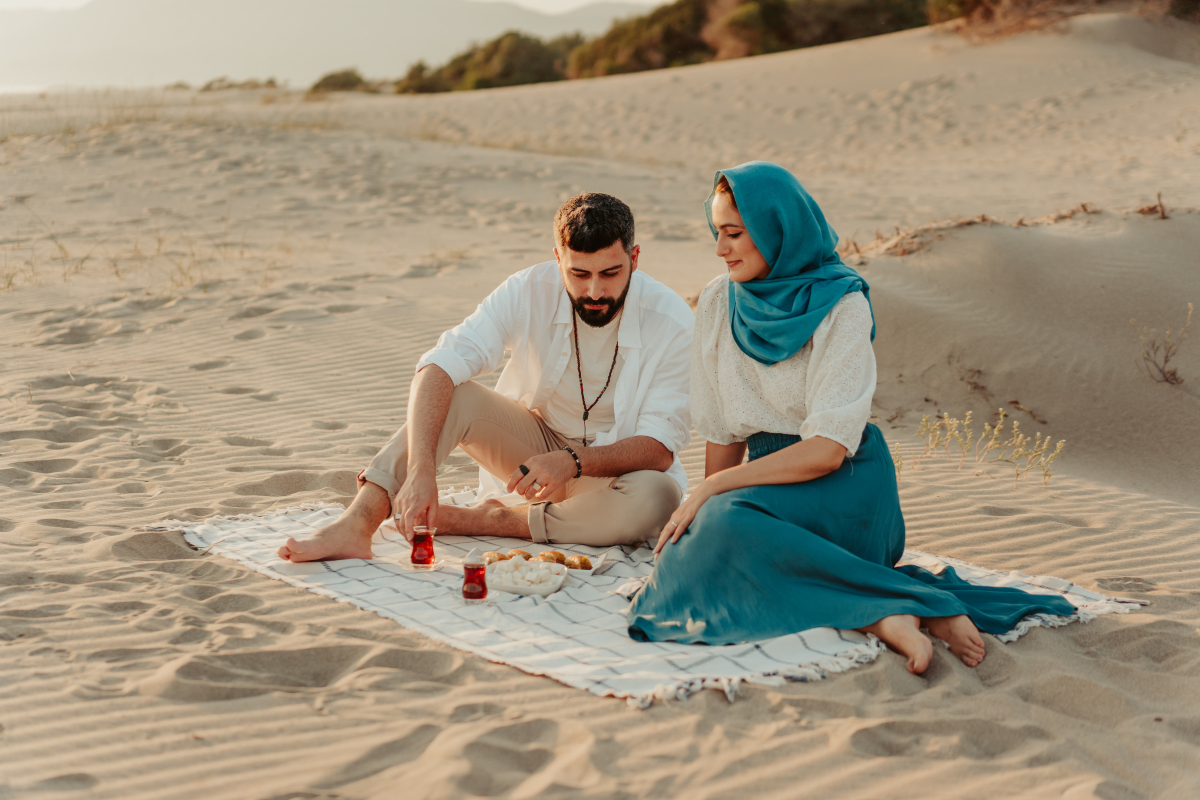
The word dating in western culture typically means one-on-one outings, being "exclusive" with someone, using a dating app, trial relationships, and sometimes sexual exploration. Traditional dating is viewed as a Western value that can lead to emotional hurt and instability.
Islam does not reject love or attraction. It regulates how a person moves from attraction to marriage. Islamic teachings view romantic relationships as a path toward marriage rather than recreation. Marriage in many Muslim cultures is considered a union between families, not just individuals.
The Prophet ﷺ actively encouraged young people to marry. In Sahih al-Bukhari 5066, he said:
"يَا مَعْشَرَ الشَّبَابِ مَنِ اسْتَطَاعَ مِنْكُمُ الْبَاءَةَ فَلْيَتَزَوَّجْ فَإِنَّهُ أَغَضُّ لِلْبَصَرِ وَأَحْصَنُ لِلْفَرْجِ…" "O young people! Whoever among you is able to marry should marry, because it helps him lower his gaze and guard his modesty…" (QuranX)
The Islamic approach emphasizes knowing a person for marriage, usually with a chaperone. Where dating puts commitment last, islamic tradition puts commitment first and lets love grow within safety.
Feature
Modern Dating
Halal Way
Physical contact
Often expected
Forbidden before nikah
Intention
Open-ended, casual
Marriage-focused
Privacy
One-on-one, private settings
Public places or chaperoned
Family role
Often minimal
Central from the start
Commitment timing
After months/years
Upfront from day one
Islamic Principles Behind The Prohibition Of Dating
Several foundational principles in the islamic framework shape why dating is forbidden:
Modesty (haya) is a core value. It covers not only how someone dresses, but how they interact with the opposite sex - guarding speech, behavior, and emotional boundaries.
Lowering the gaze is a direct Quranic command. Surah An-Nur (24:30-31) states:
"قُلْ لِلْمُؤْمِنِينَ يَغُضُّوا مِنْ أَبْصَارِهِمْ وَيَحْفَظُوا فُرُوجَهُمْ…" "Tell the believing men to lower their gaze and guard their chastity… And tell the believing women likewise…" (Quran.com)
This principle applies to flirting, sexting, private DMs, and any sex talk that crosses boundaries with the opposite gender.
Avoiding khalwa (seclusion) is another pillar. Islamic law prohibits being alone with a non-mahram member of the opposite sex. The hadith in Sahih al-Bukhari 5233 is explicit:
"لَا يَخْلُوَنَّ رَجُلٌ بِامْرَأَةٍ إِلَّا مَعَ ذِي مَحْرَمٍ" "No man should be alone with a woman unless there is a mahram with her."
This is why dating norms - being alone in cars, apartments, or hotel rooms - fall outside islamic guidelines.
The spiritual consequences are real: weakening of iman, guilt over secret sin, and distance from prayer. Socially, hidden relationships breed jealousy, breakups, and depression. Cultural norms make it difficult for youth to interact with the opposite gender in many Muslim communities, and muslims face unique dating challenges due to cultural expectations.
Some modern voices try to relax these rules, but the majority of classical and contemporary islamic scholars still agree that casual dating is impermissible.
But Muslims Still Need To Find Love: The Halal Way
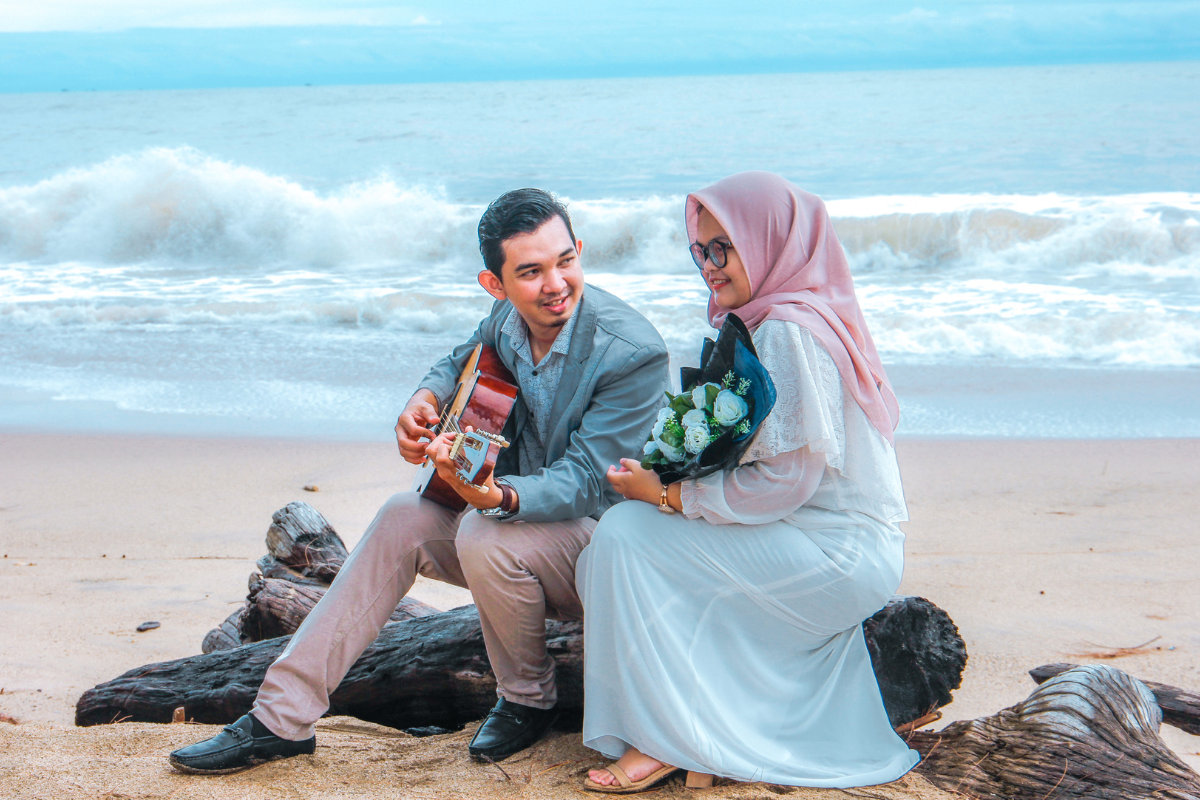
Islam does not ask anyone to suppress their desire to find their other half. It channels that desire toward a stable, blessed marriage. Many young muslims engage in halal dating as a faith-compliant practice - structured interactions with clear boundaries and the intention to get married.
Halal dating aims to find a lifelong partner. Courtship traditionally involves families where the couple gets to know each other under supervision. Dating should start with good intentions in halal relationships, and mutual respect guides every interaction.
Today, the muslim community uses a blend of traditional methods - family introductions, mosque networks - and modern tools like faith-based platforms and supervised online conversations to help young people find a good match.
Love InshaAllah is one such faith-based platform designed to help Muslims form halal relationships that lead to nikah, making the search for a spouse both principled and practical.
Here are basic halal steps for finding a spouse:
Begin with sincere intention - wanting marriage for the sake of allah and companionship in faith
Involve family or trusted mentors early - parents, a local imam, or a respected elder
Meet in public places or with a chaperone present - never in seclusion
Have honest, early conversations about religion, life goals, values, and expectations for children
What Scholars Say: Is Any Form Of "Dating" Allowed?
There is broad scholarly agreement (ijma') that boyfriend-girlfriend style romantic relationships with physical intimacy are haram for both muslim men and muslim women. The concept of casual dating simply has no place in the islamic framework.
Where scholars differ is in the details. Some allow supervised meetings and respectful conversation between potential matches once there is serious marriage interest. Others insist on very limited interaction - only when a formal proposal is underway, with family fully involved. Conservative Muslims may avoid physical contact entirely and meet only in public or with a chaperone.
Intention matters enormously. The hadith in Sahih al-Bukhari (1) states:
"إِنَّمَا الْأَعْمَالُ بِالنِّيَّاتِ…" "Actions are only by intentions…"
A Muslim man and woman speaking on a faith-based platform with a clear marriage goal, with family aware, is a fundamentally different situation from chatting for months on a casual dating app with no commitment and no boundaries.
Open dialogue about dating is essential in the muslim community. Context matters - country, culture, family norms, and personal maturity all influence the safest approach. Readers should consult local, trusted imams or qualified islamic scholars from organizations like AMJA about their specific situation.
Special Issues: Crushes, Non-Muslim Partners, And Modern Temptations
Having a crush or experiencing natural attraction is not itself sinful. Islam recognizes human emotion but prescribes how to handle it - lowering the gaze, avoiding fantasy, and seeking halal outlets. For a deeper exploration, read Is it haram to have a crush.
Relationships with a non muslim partner raise serious questions about faith, children's upbringing, and religious identity. Muslim men can marry non-Muslim women under certain conditions (chaste women from the People of the Book), while muslim women are traditionally prohibited from marrying non-Muslim men. About 10% of Muslim women in the U.S. marry non-Muslim men, and in Turkey, Muslim women can marry non-Muslim men legally. Yet interfaith marriages often face social pressures and family opposition, regardless of legal status. Anyone considering this path must seek detailed, scholarly guidance.
Social media, private messaging, and mainstream dating apps normalize forms of interaction that blur boundaries. Avoiding discussions about sex is essential in halal dating - no private sexting, no exchanging intimate images, no emotional affairs. These digital spaces can feel private, but the principles of modesty and avoiding khalwa extend online too.
Understanding who qualifies as a Non Mahram Meaning helps clarify why boundaries with the opposite sex exist and why they matter in society today.
Practical Halal Pathways To Marriage In Today's World
If you can't date the way western culture prescribes, what should you actually do to find a spouse? Here is a realistic, step-by-step path:
Make du'a consistently. Ask allah to guide you toward a righteous husband or wife, especially during the last third of the night when prayer is most powerful.
Involve your parents early. In many Muslim families, parents play a central role. Their experience and network can help you identify potential matches that align with your values.
Join a trustworthy community network. Mosques, Islamic centers, and youth programs offer halal socialization with others who share your intention to get married.
Use a structured Muslim matchmaking program. Unlike casual dating, faith-based matchmaking makes the marriage intention explicit, keeps family involved, and maintains clear boundaries. Muslim singles should always meet with a chaperone, and chaperones are required during halal dating interactions. Premarital sex is strictly forbidden in halal dating.
When you do engage with potential matches, ask substantive questions:
How committed are you to your deen - daily prayer, Quran, community involvement?
What are your expectations around family, roles, and children?
How do you approach finances and long-term planning?
What does a healthy marriage look like to you versus a wedding ceremony?
For more on distinguishing the event from the life, explore Wedding vs Marriage.
Barakah comes when you trust Allah's timing and follow His limits, even when it feels slower than the rest of the world around you.
The Wisdom Behind "No Dating" And The Promise Of Better Love
The islamic tradition's stance on dating is not about punishment or denial. It is about protection - from heartbreak, from secrecy, from building a life on a foundation of haram. Many couples who followed the halal way report deeper trust, stronger friendship, and lasting respect in their marriages.
Surah Ar-Rum (30:21) captures this beautifully:
"وَمِنْ آيَاتِهِ أَنْ خَلَقَ لَكُمْ مِنْ أَنْفُسِكُمْ أَزْوَاجًا لِتَسْكُنُوا إِلَيْهَا وَجَعَلَ بَيْنَكُمْ مَوَدَّةً وَرَحْمَةً" "And of His signs is that He created for you spouses from among yourselves so that you may find tranquility in them, and He placed between you affection and mercy."
Deep love and mercy are divine gifts - but they are placed within marriage, not before it. Many strong, loving marriages in the muslim community began without Western style dating, guided instead by faith, family, and hope.
Platforms striving to make obedience to Allah and finding genuine love work together do exist. Learn more about our mission and programs and how they serve this purpose.
The question why cant muslims date is not a restriction against love. It is Allah protecting you and guiding you toward deeper, more stable love through marriage. The idea is not to deny your heart - it is to lead it somewhere safe, somewhere blessed, somewhere it can finally rest.