

When people talk about love, commitment, and starting a life together, the terms “wedding” and “marriage” are often used as if they mean the same thing. But in reality, there is an important distinction.
The two words \’wedding\’ and \’marriage\’ are often used interchangeably, but they actually refer to different concepts. \’Wedding\’ is a noun that describes the ceremony or event where two people marry, while \’marriage\’ is a noun that refers to the ongoing relationship or union between partners. Marriage is often defined as a legal contract, while a wedding is the celebration of that contract, which can occur on the same day or at different times.
Understanding wedding vs marriage can help couples prepare not just for a beautiful day, but for a meaningful life together.
In Islam, this distinction becomes even more significant. A wedding may last a few hours, but marriage is a lifelong act of worship, partnership, and responsibility.
What Is a Wedding and What Is Marriage
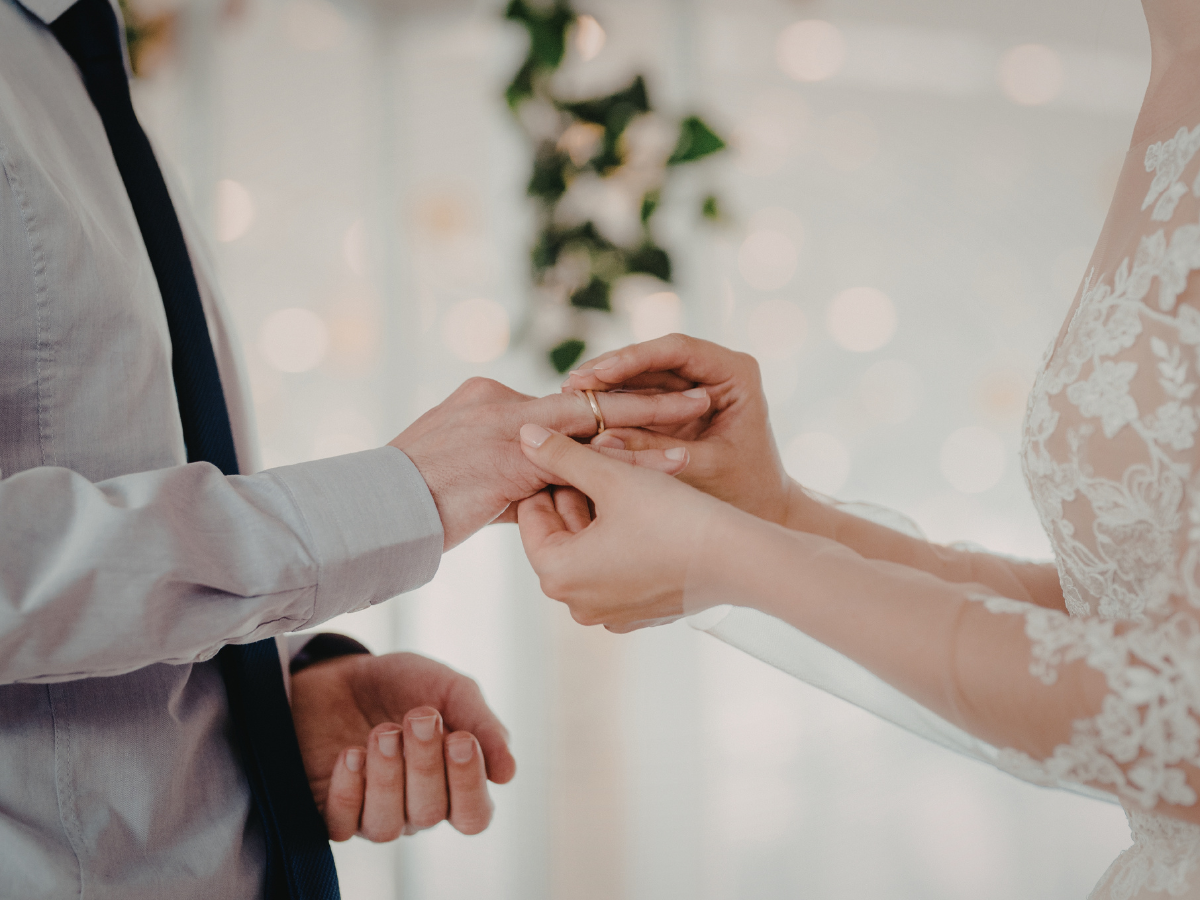
A wedding is a celebratory event. It is the gathering of family and friends to witness a couple’s union, often marked by joy, traditions, and shared meals.
Marriage, on the other hand, is a lasting bond. It is a legal, emotional, and spiritual commitment between two people who agree to live together with mutual respect and compassion.
In English, \’wedding\’ is the noun for the ceremony, \’marriage\’ is the noun for the relationship, and \’to marry\’ is the verb describing the action of becoming married. The term \’wed\’ is an older or more formal synonym for \’marry\’, often found in historical or poetic contexts.
The Qur’an beautifully describes marriage:
“And among His signs is that He created for you from yourselves mates that you may find tranquility in them; and He placed between you affection and mercy…” (Surah Ar-Rum 30:21)
This verse reminds us that marriage is not simply an event, but a relationship built on peace, love, and mercy. For those seeking meaningful connections, Love, InshaAllah provides a faith-centered approach to finding life partners.
Wedding vs Marriage: What Is the Real Difference
The difference between a wedding and marriage becomes clear when you look beyond the surface.
A wedding is temporary. Marriage is ongoing. A wedding is planned over months. Marriage is nurtured over a lifetime. A wedding celebrates a beginning. Marriage is the journey that follows.
Many couples spend significant time and energy putting their focus on planning the wedding day, but far less on preparing for the lifelong commitment of marriage. Islamic guidance emphasizes balance. The celebration is important, but the relationship is essential.
It\’s crucial for couples to be on the same page about their future plans and expectations before marriage. Planning for a wedding requires intentional preparation and should be balanced with discussions about the future of the marriage, including shared dreams and life goals.
Planning the Wedding Day With Intention
A wedding should reflect your values, not just your preferences. Many couples aspire to have their dream wedding, making the day joyful and memorable. It is possible to create a beautiful and meaningful event without losing sight of what truly matters.
Instead of focusing only on aesthetics, consider what will make the day spiritually and emotionally fulfilling.
Some thoughtful priorities include:
-
Ensuring the nikah is performed correctly and sincerely\\
-
Creating an environment that respects Islamic values\\
-
Including family in a way that strengthens relationships\\
-
Incorporating meaningful rituals that reflect the couple\’s values or love story
Planning with intention helps keep the focus on what the day represents, not just how it looks. The wedding day is an opportunity to create lasting memories and tell the couple\’s unique story.
Designing a Meaningful Wedding Ceremony
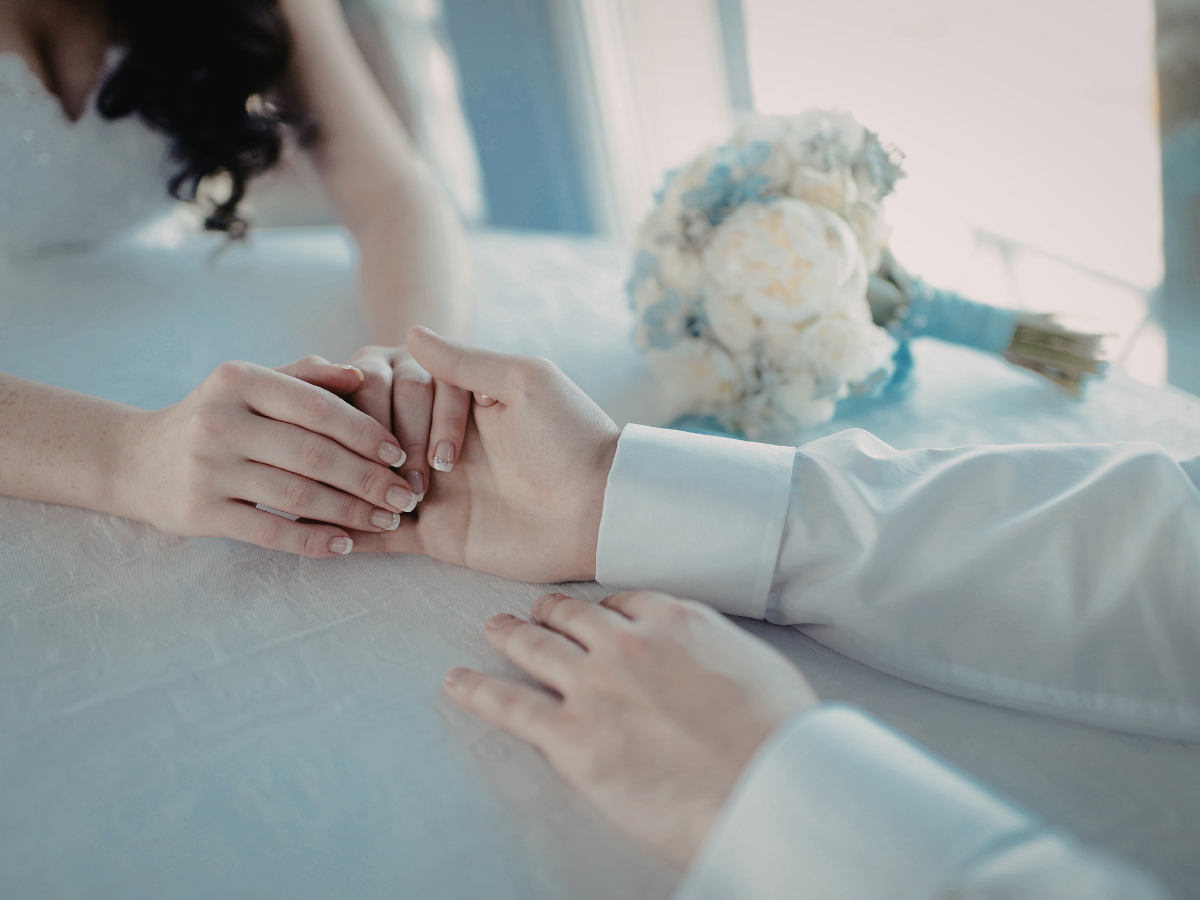
The ceremony is the heart of the wedding, which is called a wedding because it marks the formal union of the couple. In Islam, the nikah is simple yet deeply significant.
The Prophet ﷺ said:
“The most blessed marriage is the one with the least burden.” (Musnad Ahmad 24529)
This teaching encourages simplicity and sincerity. A meaningful ceremony does not require extravagance. It requires clarity of intention and respect for the sacredness of the commitment.
Couples can make their ceremony meaningful by:
-
Reflecting on the purpose of marriage in Islam
-
Choosing words that express sincerity and commitment
-
Including reminders of faith, gratitude, and responsibility
-
Exchanging personalized vows, which are a central and memorable part of the wedding ceremony, allowing couples to express their love story and values in their own words
The emotional experience of walking down the aisle or entering the ceremony space is often a powerful and unforgettable moment, symbolizing the beginning of a new journey together.
For those seeking divine guidance in their decision-making process, reflecting on Istikhara Dua for Marriage can help align choices with sincerity and trust in Allah.
Legal and Practical Steps of Marriage
While the wedding marks the beginning, marriage involves practical responsibilities that must be addressed carefully.
This includes:
-
Completing the nikah contract with clear terms\\
-
Understanding rights and responsibilities within marriage\\
-
Preparing for shared financial and household responsibilities\\
-
Setting up a joint account or financial plan with your partner to manage shared expenses\\
-
Obtaining a marriage license or fulfilling legal marriage requirements where applicable
Obtaining a marriage license is a necessary step for a legal marriage and requires providing personal data such as identification and a birth certificate from both partners. A marriage is a legal contract that typically requires a marriage license from both partners. In many jurisdictions, a marriage must be officiated by a recognized authority, such as a registrar or a religious leader, to be legally binding. Legal requirements can vary by location, including age restrictions, residency requirements, and the need for witnesses during the ceremony.
Taking these steps seriously ensures that the marriage is built on clarity, not confusion. It is important to involve your spouse as an equal partner in decision-making throughout this process.
Preparing for a Happy Marriage
A strong marriage does not happen automatically. It requires preparation, communication, and intention. Couples who are engaged can benefit from preparing not only for the wedding, but also for the marriage itself, using this time to align their values and expectations.
Islamic guidance emphasizes the importance of character and compatibility. The Prophet ﷺ said:
“If there comes to you one whose religion and character you are pleased with, then marry him…” (Sunan al-Tirmidhi 1084)
This hadith highlights that the foundation of marriage is not appearance or wealth, but faith and character.
To build a strong marriage, couples should focus on:
-
Open communication and honest conversations\\
-
Shared goals and expectations for the future\\
-
Emotional support and mutual respect\\
-
Seeking pre-marital counseling to encourage open discussion of key issues and ensure alignment before marriage
Encourage each other to share feelings and support one another through challenges, as trust in marriage is deepened through emotional support and open communication during difficult times. Maintaining hope and a positive outlook for the future together helps couples build a lasting relationship.
For those navigating difficult emotional transitions, learning how to Heal a Heartbreak can strengthen resilience and emotional intelligence.
Communication and Daily Life Expectations
Marriage is lived in everyday moments, not just special occasions. Small habits and routines shape the overall relationship.
Healthy communication includes:
-
Listening with patience and empathy
-
Expressing concerns respectfully
-
Creating space for regular conversations
Setting expectations early can prevent misunderstandings later. This includes discussions about roles, responsibilities, and boundaries with extended family.
Managing Finances and Practical Matters
Financial clarity is an essential part of a stable marriage. While it may feel uncomfortable to discuss, Islamic guidance encourages transparency.
Couples should talk about:
-
Income, savings, and financial goals
-
Spending habits and responsibilities
-
Long-term plans such as housing or family support
Using a budgeting app can help couples track expenses and manage their finances together. Additionally, couples can visit a reputable website to find financial planning resources or advice tailored for their needs.
Islam promotes fairness and responsibility in financial matters, ensuring that both partners feel secure and respected.
Navigating Challenges in Marriage
Navigating challenges in marriage is an essential part of building a long and happy marriage. While the wedding ceremony is a joyful event filled with celebration, beautiful wedding dresses, and the excitement of the wedding planning process, it is only the beginning of a much longer journey. Many couples discover that the real work of marriage begins after the actual marriage ceremony, as they transition from the excitement of the wedding day to the realities of daily life together.
Marriage refers to a long-term relationship between two people who have chosen to share their lives, dreams, and responsibilities. In the UK, Australia, and many other countries, marriage is recognized as a legal institution, granting couples certain rights and responsibilities. However, beyond its legal status, marriage is about creating a partnership that can weather both the joys and the challenges that life brings.
It is common for couples to face obstacles such as communication breakdowns, financial pressures, or differences in expectations. The key to a happy marriage lies in how couples respond to these challenges. Open and honest communication, mutual respect, and a willingness to compromise are vital. Many couples find that setting aside time to talk, share their feelings, and listen to each other helps them navigate difficult moments and strengthen their bond.
The wedding planning process often focuses on details like the perfect wedding dress, the guest list, and the reception, but it is just as important to plan for life after the wedding day. Building a strong marriage means being prepared to support each other through changes, whether that involves starting a family, managing a household, or adapting to new circumstances. For some, this may include raising children, while for others, it may mean building a life together in a new city or country.
Nowadays, couples have access to a wealth of resources on the web, from relationship advice to marriage counseling services. Taking advantage of these tools can help couples address challenges early and prevent small issues from becoming larger problems. Whether you are newly married or have been together for years, seeking support and guidance is a sign of strength and commitment to your relationship.
Ultimately, marriage is an ongoing journey that requires dedication, patience, and love. As the dictionary explains, marriage refers to the state of being married—a state that involves continuous effort, growth, and shared experiences. By prioritizing your relationship, embracing both the celebrations and the challenges, and supporting each other through every stage of life, you can create a marriage that is not only recognized by society but also deeply meaningful and fulfilling for both partners.
Balancing the Wedding Dream With Real-Life Preparation
It is easy to become absorbed in wedding planning, especially when expectations from family and society are high. However, putting all your effort into the event itself can leave couples unprepared for what comes after. It\’s important to put effort not only into planning the wedding, but also into preparing for marriage as a lifelong commitment. Couples who actively focus on their marriage tend to have clearer discussions about their future goals, such as home ownership and parenting styles, which strengthens their partnership.
A healthy balance might include:
-
Setting aside time for premarital discussions\\
-
Delegating wedding tasks to reduce stress\\
-
Prioritizing relationship-building over perfection
The goal is not to have a flawless wedding, but to begin a strong marriage.
Life After the Wedding: The Real Journey Begins
After the wedding, reality settles in. The routines of daily life begin, and the relationship starts to grow in new ways.
This stage may include:
-
Adjusting to shared living\\
-
Navigating differences in habits and expectations\\
-
Building new traditions as a couple
Moments of joy and challenge both become opportunities for growth.
Over time, celebrating milestones such as anniversaries becomes meaningful. Reflecting through Nikah Anniversary Quotes can remind couples of their journey and commitment.
Wedding vs Marriage: A Simple Comparison
To keep things clear, it is important to have a correct understanding of the difference between a wedding and a marriage:
-
A wedding is a day; marriage is a lifetime\\
-
A wedding is planned; marriage is practiced\\
-
A wedding celebrates love; marriage sustains it
Both matter, but they serve different purposes.
Building a Marriage With Purpose
Marriage in Islam is not only a personal relationship but also a spiritual path. It is an opportunity to grow closer to Allah while building a life with another person.
Those seeking meaningful partnerships can benefit from structured approaches that honor Islamic values. Understanding our mission and programs helps individuals approach marriage with intention and clarity.
A thoughtful Muslim matchmaking program can also help individuals find partners who share similar values, making the transition from wedding to marriage smoother and more aligned.
Final Reflection
Understanding wedding vs marriage helps shift the focus from a single day to a lifelong journey. The beauty of the wedding lies in its celebration, but the true success lies in the marriage that follows.
A meaningful marriage is built through patience, communication, and shared faith. It is shaped by everyday actions, quiet moments, and a commitment to grow together.
When couples approach both the wedding and the marriage with sincerity and balance, they create not just a memorable day, but a life filled with peace, mercy, and a sense of fulfillment and lasting connection.