
Do Muslims Marry Their Cousins? Islamic Rulings, Culture, Health, and Modern Choices
For many people exploring Islamic teachings or Muslim communities, the question often arises: do Muslims marry their cousins?
This sensitive topic deserves a thoughtful response that honors both religious wisdom and personal circumstances. While Islamic guidance provides clear direction, how these teachings are understood and practiced varies beautifully across different cultures and communities.
This article approaches the subject with gentleness and respect. We'll explore what Islamic sources actually teach, why cousin marriage exists in some communities, and how modern Muslims are thoughtfully navigating these decisions today.
Understanding the Question: Do Muslims Marry Their Cousins?
Before diving into religious guidance, it helps to understand what “cousin marriage” truly encompasses.
A first cousin marriage occurs between individuals who share the same grandparents. This might be your maternal uncle’s daughter or your paternal aunt’s son. In many cultures, aunts and other extended family members play a significant role in arranging marriages, including those involving girls within the family.
Second and third cousins share more distant family connections. While Islamic rulings treat these relationships similarly, cultural perspectives often differ significantly. Cultural and legal considerations often focus on the marriage of girls to their cousins, with aunts sometimes facilitating these arrangements.
This topic touches several important aspects of Muslim life:
Religious permissibility and wisdom
Family relationships and community bonds
Health considerations for future generations
Personal autonomy in marriage decisions
Historical Context of First Cousin Marriages
First cousin marriages have deep roots in the history of many societies around the world. In ancient times, marrying within the family was a common way to preserve wealth, property, and social status.
This practice was especially prevalent in Arab countries and other regions where family ties were considered essential for protecting family interests and ensuring the continuity of property and lineage. Across different communities, first cousin marriages were often seen as a means to strengthen family bonds and uphold cultural beliefs about loyalty and unity.
Throughout history, the practice of cousins marrying was influenced by both religious and cultural beliefs, with some societies viewing it as a preferred or even expected arrangement.
In many Muslim communities, for example, first cousin marriages were valued for their ability to keep wealth and property within the family, reinforcing social cohesion and familial trust. However, as societies have evolved, so have attitudes toward cousin marriage.
In modern times, concerns about birth defects and genetic diseases have led some countries to prohibit marriage between first cousins, sparking ongoing debates about the practice’s place in contemporary life. Despite these changes, the history of cousin marriage continues to shape beliefs and practices in many communities around the world.
What Islamic Guidance Teaches About Cousin Marriage
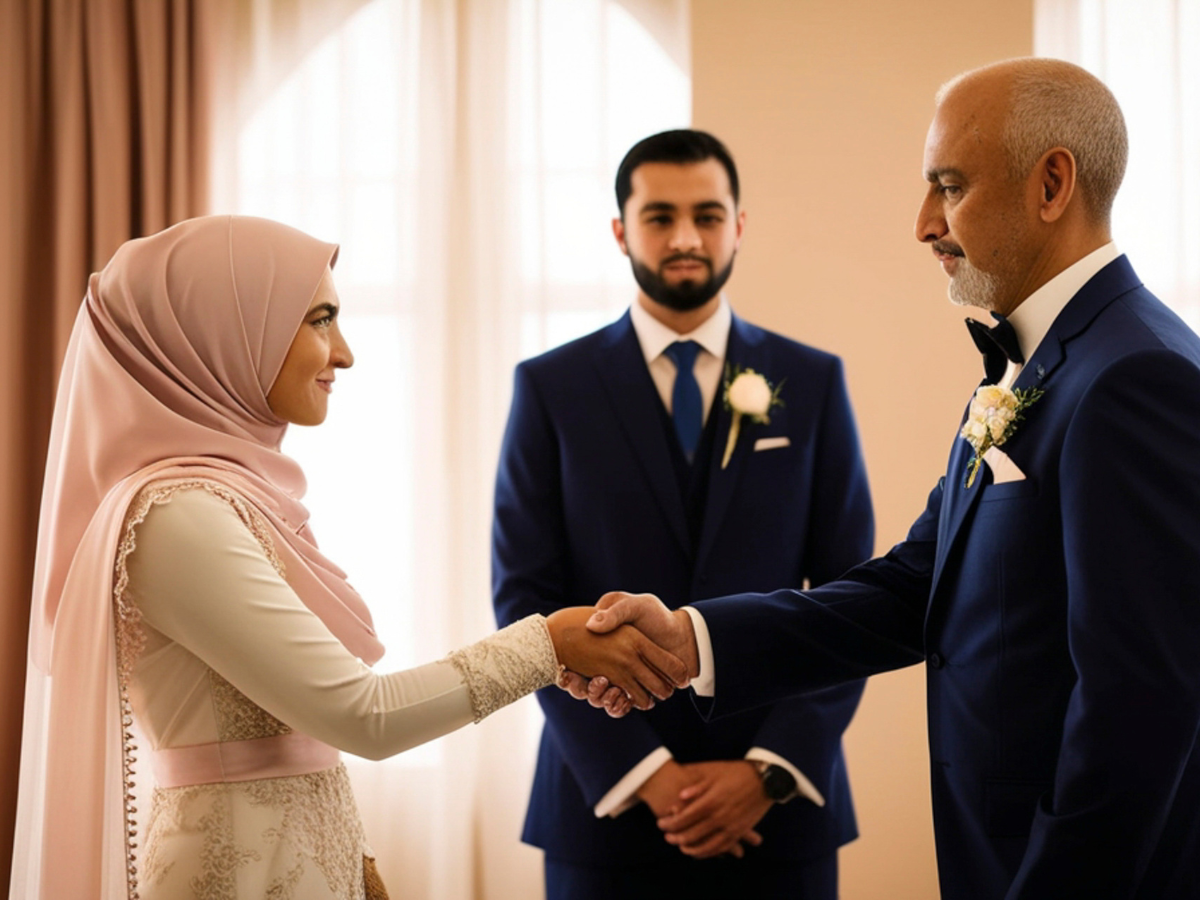
Islamic teachings provide clear direction about marriage relationships through the Qur’an’s comprehensive guidance.
Allah (SWT) says:
“Prohibited to you [for marriage] are your mothers, your daughters, your sisters, your father’s sisters, your mother’s sisters, your father’s brothers’ daughters, your mother’s brothers’ daughters…” (Surah An-Nisa 4:23)
This verse lists relatives for whom marriage is prohibited. Islamic law prohibits marriage to one's mother, mom, sister, and other close relatives, but not cousins. Islam as a religion permits cousin marriage, and it has been practiced since the time of Muhammad, who himself married relatives, including a first cousin.
This permissibility is also reflected in early Islamic history, where such unions occurred among the companions. However, while cousin marriage is allowed, it is generally preferred in Islam to choose a partner from outside one's family to widen social bonds.
However, Islamic scholars consistently emphasize a crucial distinction: permissible does not mean preferred or obligatory.
Marriage in Islam centers on compatibility, faith, character, and mutual affection—not merely family proximity.
Understanding Mahram Relationships in Islam
A fundamental concept for understanding marriage permissions is mahram.
A mahram represents someone you can never marry due to permanent family ties. Since cousins are not mahram, marriage between them remains permissible under Islamic guidance.
For a deeper understanding of these important relationships, exploring the Meaning of Mahram provides valuable insight into why certain relationships are protected while others remain open.
Islamic guidance still emphasizes maintaining proper boundaries and respectful interactions between cousins before marriage, just as with any non-mahram relationship.
When Fosterage Affects Marriage Permissions
Islamic law recognizes milk kinship through fosterage, which can change marriage permissions.
When a child receives sustenance from a wet nurse under specific conditions, that child becomes like a biological relative regarding marriage restrictions. In Islamic law, if a mom breastfeeds a child, that child is considered like her own, and marriage between the breastfed child and her biological children is prohibited.
The Prophet ﷺ taught:
“What becomes unlawful through breastfeeding is what becomes unlawful through lineage.” (Sahih al-Bukhari 2645; Sahih Muslim 1447)
This means that cousins who shared the same wet nurse during infancy may become mahram and would be unable to marry.
Cultural Traditions Within Islamic Framework
While Islamic guidance permits cousin marriage, its prevalence stems largely from cultural traditions rather than religious requirements.
In some regions, particularly South Asia, the Middle East, and parts of Africa, cousin marriage has been cherished for generations. Families may prefer these unions for several heartfelt reasons:
Deep trust and familiarity between families
Shared values and religious understanding
Strengthened family bonds and unity
Practical considerations in community life
In-laws and extended family, including aunts and uncles, often play a significant role in supporting these unions, helping to maintain close kinship ties. Cousin marriage is frequently motivated by the desire to keep assets within the family, prevent the fragmentation of family land, and strengthen familial bonds, especially in agrarian or tribal societies.
In many Middle Eastern countries, cousin marriage is a common practice, often seen as a way to keep wealth and property within the family. The presence of married cousins within a family can reinforce social cohesion, and some families believe such unions may result in more children and stronger family ties. The role of the husband in these arrangements is often emphasized, as he is seen as central to maintaining family structure and lineage.
Understanding these motivations helps us appreciate that these are cultural preferences rather than Islamic obligations.
Learn more about what is Forbidden In Islamic Marriage to understand the boundaries set by Islamic law.
Social and Economic Factors in Cousin Marriages
The decision to arrange first cousin marriages is often influenced by social and economic considerations. In many communities, marrying a cousin is seen as a practical way to preserve family wealth and property, ensuring that assets remain within the family and are passed down through generations. This approach can also help maintain strong family ties and foster a sense of unity and trust among relatives.
Families may arrange cousin marriages to reduce the financial burden of marriage, as the costs and expectations are often more manageable when both sides are already familiar with each other. In some Muslim communities, first cousin marriages are specifically chosen to keep wealth and property within the family, while also promoting social harmony and stability.
However, these arrangements can have unintended consequences. When cousin marriages are common over multiple generations, the lack of genetic diversity can increase the risk of genetic diseases and birth defects in children. As a result, some families and communities are now weighing the benefits of tradition against the importance of public health and genetic diversity.
Contemporary Perspectives on Marriage Choices
Today’s Muslim communities show beautiful diversity in marriage approaches.
Some regions maintain traditional preferences, especially in close-knit communities. Others, particularly in urban areas and Western countries, embrace broader marriage choices.
It is important to note that cousin marriage is declining in some demographics due to modernization and increased awareness of genetic risks. More educated individuals are increasingly aware of the genetic and health implications of cousin marriage, which influences changing attitudes. Many young people are taking note of these shifts, leading to evolving perspectives on marriage practices. Additionally, some Muslim-majority countries now require premarital genetic screening to address concerns about recessive genetic disorders.
Many modern Muslims are focusing increasingly on:
Emotional compatibility and communication\
Shared spiritual goals and values\
Personal connection and mutual respect\
Individual choice and autonomy
This evolution reflects changing social dynamics while honoring timeless Islamic principles.
Platforms like Love, InshaAllah offer supportive spaces for Muslims to explore marriage thoughtfully and intentionally.
Health Considerations and Responsible Decision-Making
Contemporary discussions about cousin marriage often include health considerations.
Medical research indicates that children born to first cousins may face slightly elevated risks for certain inherited conditions compared to children of unrelated parents. Studies have shown that children of first-cousin marriages have a 4–6% risk of autosomal recessive genetic disorders, compared to a 3% risk for children of totally unrelated parents.
For example, a 2025 study in Bradford found that children of first cousins had an 11% probability of being diagnosed with a speech and language problem, compared to 7% for children whose parents are not related.
In Pakistan, where cousin marriage is common, one study estimated infant mortality at 12.7% for children born to married double first cousins, 7.9% for first cousins, and 5.1% among non-consanguineous progeny. While health issues can happen in any marriage, the risk is slightly higher in cousin marriages.
There are also real-life examples, such as a family with four daughters living in the UK, who married within the first-cousin tradition. Their experience highlights both the cultural practices and the importance of understanding genetic risks, as well as the health and well-being of their children.
Islamic guidance encourages seeking knowledge and making responsible decisions. Many families today address this through:
Genetic counseling and family health history review\
Medical consultation before marriage\
Informed decision-making with professional guidance
This approach honors both Islamic principles of seeking beneficial knowledge and caring for future generations.
The Sacred Principle of Consent
Regardless of cultural expectations, Islamic teachings place tremendous emphasis on willing consent.
The Prophet ﷺ instructed:
"A previously married woman should not be married until she is consulted, and a virgin should not be married until her permission is sought."
(Sahih al-Bukhari 5136; Sahih Muslim 1419)
This principle applies universally to all marriages, including cousin marriages. No individual should face pressure into unwilling unions.
Understanding broader principles about what is Forbidden In Islamic Marriage helps ensure decisions are made with full awareness and ethical consideration.
Male Cousin Marriage Preferences
In certain societies, particularly in Arab countries and other patriarchal communities, male cousin marriage preferences play a significant role in shaping marriage arrangements. Men are often given priority in choosing their wives, and marrying a female cousin is sometimes seen as a way to reinforce family honor, protect family interests, and maintain influence within the extended family. This preference for cousin marriage can be rooted in longstanding cultural values that prioritize family unity and the safeguarding of property and social status.
However, these traditions can also present challenges, especially for women. In some cases, women may have limited autonomy and may feel pressured or even forced into marriages with male cousins, regardless of their own preferences or feelings. While cousin marriage can offer certain social and economic benefits, it is important to recognize the need for individual choice and consent in all marriage decisions. As societies continue to evolve, there is growing awareness of the importance of balancing family interests with personal autonomy and the well-being of all family members.
Alternatives to Cousins Marrying
In recent years, there has been a noticeable shift among young Pakistanis and British Pakistanis, as well as other Muslim communities, toward seeking alternatives to cousins marrying. Many young people are choosing to marry outside their immediate family or community, motivated by a desire for greater independence and the freedom to select their own partners. This trend is also influenced by increased education and awareness about the potential health risks associated with cousin marriages, such as genetic diseases and birth defects.
Public health campaigns and educational programs in countries like the UK are working to inform families about the risks of cousin marriages and to encourage consideration of alternative marriage arrangements. These initiatives highlight the importance of genetic diversity and the need to prioritize public health, while still respecting cultural values and family traditions. As a result, more families are open to the idea of marrying outside their own family, reflecting a broader shift in attitudes and practices within many communities.
How Modern Muslims Navigate Marriage Today
Contemporary Muslims are approaching marriage with both reverence for Islamic guidance and awareness of modern circumstances.
While some choose cousin marriages for cultural or personal reasons, others prefer expanding their search beyond family circles. The focus increasingly centers on building relationships founded on mutual understanding, respect, and shared spiritual goals.
Platforms like Love, InshaAllah reflect this beautiful evolution. They provide spaces where individuals can explore marriage thoughtfully and faith-centeredly.
Similarly, a structured Muslim matchmaking program helps individuals find compatible partners without limiting themselves to traditional expectations.
Even meaningful gestures like sharing heartfelt muslim marriage wishes demonstrate how marriage is evolving into a more personal and spiritually meaningful journey.
Personal Stories of So Many Muslims
The experiences of so many Muslims who have married their first cousins reveal the complex realities of this practice. Take, for example, the story of Israr Hussain and his wife, Tasleem Akhtar, who are first cousins and have four healthy daughters. They believe their marriage has been successful, despite the potential health risks often associated with cousin marriages. Their story highlights the importance of strong family ties and the sense of security that can come from marrying within the family.
However, Israr and Tasleem also acknowledge that they were not aware of the potential health risks, such as birth defects and genetic diseases, before their marriage. Their experience underscores the need for greater education and awareness about the possible consequences of cousin marriages. Other Muslims who have married their cousins share a range of experiences—some positive, citing benefits like family unity and social support, and others negative, mentioning health challenges or feelings of social isolation. These personal stories illustrate the diversity of outcomes and the importance of informed decision-making, public health awareness, and open conversations within families and communities about the risks and benefits of cousin marriages.
Frequently Asked Questions About Cousin Marriage
Does Islamic guidance permit cousin marriage?
Islamic teachings allow marriage between cousins because they are not listed among the prohibited relatives in Surah An-Nisa (4:23).
Does Islamic guidance encourage cousin marriage?
Islamic teachings neither specifically promote nor discourage cousin marriage. Scholars emphasize choosing spouses based on faith, character, and compatibility.
Can fosterage make cousin marriage impermissible?
Yes. When two individuals share a valid breastfeeding relationship, they become like siblings in Islamic law and cannot marry.
How common is cousin marriage among Muslims globally?
Prevalence varies significantly by region and culture. It remains more common in certain traditional settings while being less frequent in many modern Muslim communities.
Are there health considerations with cousin marriage?
There may be slightly increased genetic risks compared to unrelated couples. Many families address this through medical consultation and genetic counseling.
Moving Forward with Faith and Wisdom
So, do Muslims marry their cousins? The compassionate answer is that some do, while many do not.
Islamic guidance permits it without requiring it. Cultural traditions may influence it, but personal choice ultimately shapes these decisions.
What remains constant in Islamic teachings is marriage's beautiful purpose. It should bring peace, mercy, and spiritual growth into people's lives. Whether someone chooses a cousin or seeks a partner beyond family circles, the foundation should always be sincerity, mutual respect, and shared commitment to faith.
When approached with awareness and intention, marriage becomes not merely a social arrangement, but a meaningful step toward building a life rooted in trust, compassion, and spiritual understanding.
Learn more about our mission and programs that support Muslims in their journey toward marriage with faith and wisdom.