
Rules of a Muslim Wife: What Islam Really Teaches
What Are the Rules of a Muslim Wife, Really?
When someone searches for the rules of a muslim wife, they are often looking for clarity in a sea of contradictory social media opinions, cultural baggage, and well-meaning but incomplete advice. The truth is that Islam frames marriage not as a hierarchy of blind servitude but as a sacred covenant between two human beings who are, first and foremost, servants of Almighty Allah.
Islamic marriage - nikah - is built on rights, duties, and character traits drawn from the Quran, the Sunnah of Prophet Muhammad (peace and blessings be upon him), and centuries of careful scholarship. Both spouses carry responsibilities, and both are promised protections. The Quran describes this beautifully in Surah Ar-Rum 30:21:
«وَمِنْ ءَايَاتِهِۦٓ أَنۡ خَلَقَ لَكُم مِّنۡ أَنفُسِكُمۡ أَزْوَٰجًۭا لِّتَسْكُنُوٓا۟ إِلَيۡهَا وَجَعَلَ بَيْنَكُم مَّوَدَّةًۭ وَرَحۡمَةً ۚ إِنَّ فِى ذَٰلِكَ لَـَٔايَٰتٍۢ لِّقَوۡمٍۢ يَتَفَكَّرُونَ» "And of His signs is that He created for you from yourselves mates that you may find tranquillity in them; and He placed between you affection and mercy. Indeed in that are signs for a people who reflect."
A successful marriage in Islam is built on mutual love, mercy, and spiritual purpose - not just a checklist of do's and don'ts. Common online misconceptions - that a wife must obey every command without question, that she cannot have a career, or that she has no say in decisions - are oversimplified and often rooted in culture rather than revelation. This article offers evidence-based clarification, drawing on authentic sources so you can separate principle from opinion.
Whether you are a believing woman preparing for marriage, a wife navigating everyday challenges, or a believing man seeking to understand his partner's rights, platforms like Love Inshallah and our mission and programs exist to help Muslim couples explore these questions with sincerity, scholarship, and compassion.
Core Foundations: Islamic Marriage, Mutual Respect, and Shared Humanity
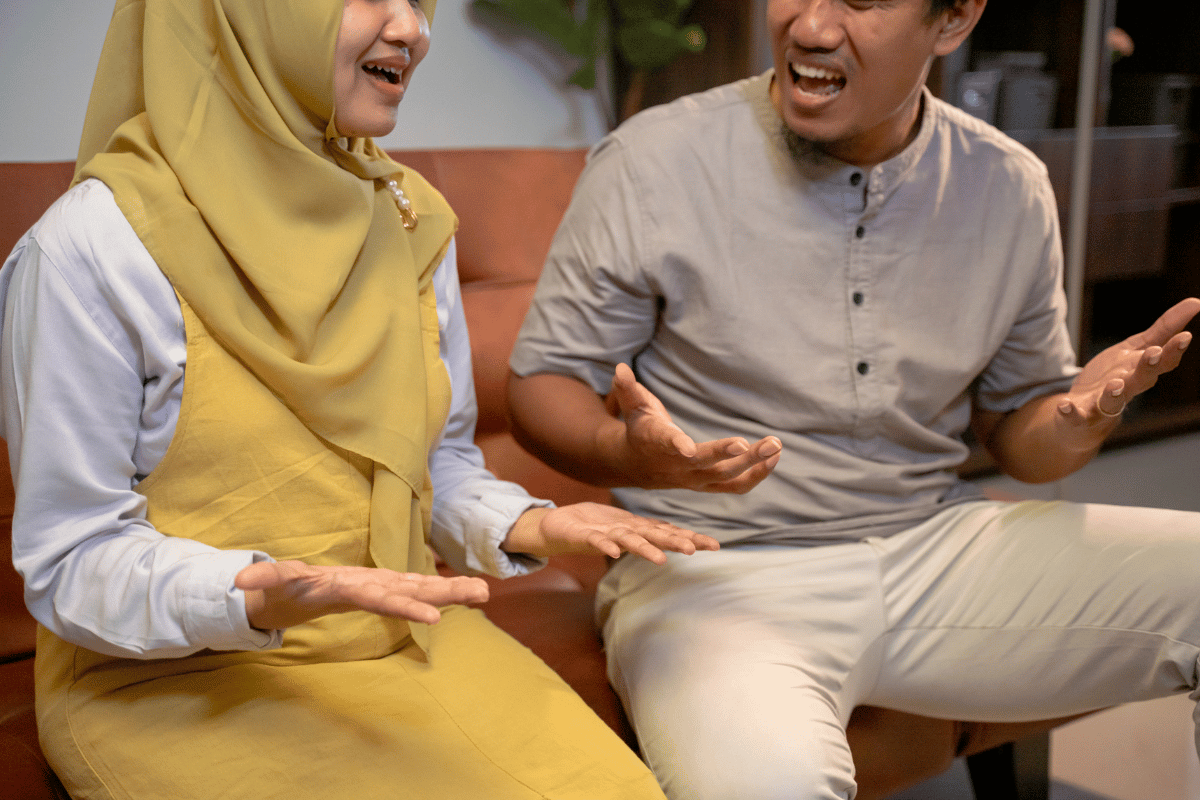
Before diving into specific obligations, it helps to understand the soil from which every rule grows. Islamic teachings affirm that husband and wife are equal in human worth and equally accountable before Allah. The Quran states that men and women are spiritually equal before God - both created from the same soul, both tested, both rewarded or corrected based on their deeds.
Within marriage, roles are distinct but overlapping. Allah commands in Quran 4:19:
«وَعَاشِرُوهُنَّ بِالْمَعْرُوفِ» "And live with them in kindness."
This is not a suggestion. It is a divine command directed at husbands - but the spirit of maʿruf (good, proper conduct) applies in both directions. Couples should strive for mutual respect, love, and kindness as the foundation of every interaction.
Key values that shape a balanced Muslim home:
Mutual respect - treating each other's opinions, time, and emotions as worthy of care.
Consultation (shura) - making decisions together rather than imposing them.
Mercy (rahmah) - extending grace during disagreements, exhaustion, and imperfection.
Justice (ʿadl) - honoring each other's rights even when it is inconvenient.
These Islamic values stand in sharp contrast to harmful cultural practices - emotional abuse, financial deprivation, controlling behavior - that some communities wrongly attribute to religion. The Sunnah of Prophet Muhammad ﷺ sets the standard: he treated his wives with gentleness, humor, and deep consideration, serving as the best example for every husband.
Sources of the Rules: Quran, Sunnah, and Scholarly Consensus
The rules of a muslim wife are not sourced from TikTok videos or anonymous Twitter threads. They come from a structured tradition grounded in:
The Quran - Allah's revealed word, the primary and uncontested source.
Authentic hadith collections - Sahih al Bukhari, Sahih Muslim, Sunan al Tirmidhi, Sunan Ibn Majah, and others containing verified narrations of the Prophet ﷺ.
Classical fiqh - legal reasoning from the four major Sunni schools (Hanafi, Maliki, Shafi'i, Hanbali), where qualified scholars applied Quran and Sunnah to daily life.
Scholarly consensus (ijma) - where all major scholars agree, such as the obligation of mahr.
It is important to distinguish between:
Clear obligations (fara'id) - mahr, nafaqa, fidelity. These are non-negotiable.
Recommended acts (sunan/mustahabbat) - going beyond the bare minimum in kindness, generosity, and patience.
Cultural expectations (ʿurf) - practices that vary by time and place, such as specific cuisines, wedding customs, or dress styles beyond basic modesty requirements.
Cultural expectations may differ from actual religious law in marriage, and a careful reader will note when this article signals where there is scholarly consensus versus legitimate scholarly difference. When in doubt, seek local, qualified scholarly guidance - and use resources like Love, InshaAllah for developing the emotional intelligence and relational skills that complement fiqh knowledge.
Legal Minimum vs Ethical Excellence in the Wife's Role
Islamic law establishes a legal "floor" - what a qadi (judge) could theoretically enforce - but Islam's real call is toward a moral "ceiling" of ihsan, where both spouses go far beyond duty out of love for Allah and each other.
The legal minimum includes:
The husband's duty to provide mahr and ongoing maintenance (nafaqa).
The wife's duties of fidelity, availability for intimacy within lawful and healthy limits, and generally residing in the shared home without leaving without legitimate reason - and in many madhhabs, the husband's permission for extended absences.
Spousal responsibilities in Islam are considered complementary rather than identical. But the Prophet ﷺ did not live at the legal minimum with his wives. He modeled ethical excellence: emotional support, playful affection, patient listening, and genuine cooperation. Islamic marriage emphasizes shared responsibilities between spouses, and the most flourishing homes are those where both partners pursue Allah's pleasure in how they treat each other - not where they keep score of legal technicalities.
Financial Rights of a Muslim Wife: Mahr, Maintenance, and Housing
One of the clearest protections Islam offers a wife is financial. Islamic law grants women independent financial ownership - a right codified over fourteen centuries ago that parts of the Western world only began recognizing in the 19th century.
Mahr: Her Personal Right
The mahr is a mandatory bridal gift from husband to wife in marriage. It is wholly her property. She may save it, spend it, invest it, or give it away. The husband is obligated to pay the mahr at marriage, and any delay or reduction requires her genuine, uncoerced agreement. A wife's consent to marriage is required according to Islamic law - she cannot be forced into a nikah, and the mahr is part of what honors that consent.
Nafaqa: Food, Clothing, and Shelter
A husband must provide financial support for his wife. Specifically, husbands must provide food, clothing, and accommodation for their wives in a reasonable manner according to his means and her accustomed standard. In 2026 urban contexts, this might mean at least a modest private flat or room with adequate privacy - not a shared bedroom with extended relatives if it causes harm. Husbands must provide accommodation according to their means, and high living costs do not cancel his basic obligation; he adjusts his lifestyle before expecting her salary.
Islam mandates that husbands provide food and clothing for their wives - this is a husband's duty, not a favor.
Her Money Is Hers
A wife retains her own legal financial identity after marriage. A wife is not required to spend her money on household expenses. Wives can work and spend their earnings as they wish. If she chooses to contribute financially, that contribution is voluntary sadaqah unless the marriage contract specifies otherwise. Many Muslim couples today mutually choose shared finances as part of building a successful marriage, and this is a praiseworthy arrangement when done freely.
Understanding these financial rights early is crucial. When preparing a Muslim Bio Data For Marriage, it is wise to discuss financial expectations openly so both parties enter the nikah with realistic, transparent plans.
Non-Financial Rights: Dignity, Safety, and Kind Treatment
A wife's rights extend far beyond money. Islam emphasizes kind treatment and respect in marriage as non-negotiable standards. Islamic ethics call for behavior reflecting respect and care in every interaction.
The Prophet ﷺ said:
«خَيْرُكُمْ خَيْرُكُمْ لِأَهْلِهِ، وَأَنَا خَيْرُكُمْ لِأَهْلِي» "The best of you are those who are best to their wives, and I am the best of you to my family." (Al Tirmidhi)
This hadith is not a casual recommendation - it is the benchmark for male excellence in Islam. The Prophet said, "The best of you are those who are best to their wives." A husband must treat his wife kindly and reasonably, and a husband must treat his wife with kindness and respect. When he fails, he falls short of the Prophetic standard.
A wife's non-financial rights include:
Physical safety - physical abuse is categorically condemned by scholars and contradicts Quran 4:19's command to live bil-maʿruf.
Emotional safety - ongoing cruelty, humiliation, and contempt are forms of zulm (oppression) that Islam forbids.
Consultation - she has the right to be heard in family decisions, not silenced.
Privacy - both physical and digital, including protection from public shaming.
Fair treatment - wives are entitled to fair treatment among co-wives in polygynous marriages, as mandated by the Quran.
Many Muslim women searching for the rules of a muslim wife are actually seeking safety and balance - protections that Islamic principles already guarantee them.
Core Religious Duties of a Muslim Wife as a Believer
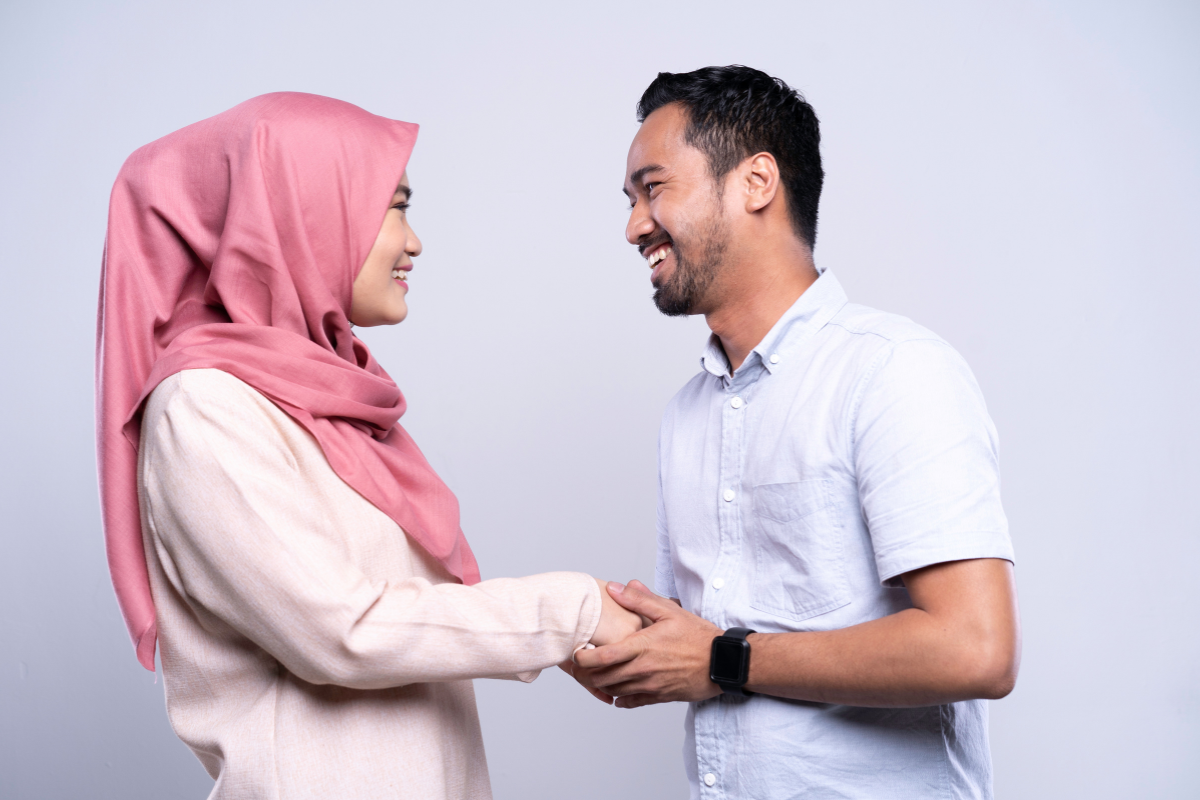
A Muslim wife's first obligation is to Allah, not her husband. This principle is fundamental and non-negotiable. Before she is a wife, a mother, or a professional, she is a servant of Allah, created for worship.
The Quran states in Surah Adh-Dhariyat 51:56:
«وَمَا خَلَقْتُ الْجِنَّ وَالْإِنسَ إِلَّا لِيَعْبُدُونِ» "And I did not create the jinn and mankind except to worship Me."
Her religious duties - salah, obligatory fasting in Ramadan, zakah if financially eligible, hijab where applicable - are her direct obligations to Allah, unchanged by marriage. When a woman prays, fasts, and strives in her faith, she fulfills the very purpose of her existence as a human being.
A husband has no right to prevent these acts or command disobedience to Allah. The established principle states: "لا طاعة لمخلوق في معصية الخالق" - no obedience to creation in disobedience to the Creator. If a man calls his wife to something that contradicts Allah's commands, she is religiously obligated to refuse.
Islam teaches that both spouses are accountable to God for their treatment of each other. A wife should nurture her own iman through Quran study, dua, dhikr, Islamic education, and community involvement. This personal development strengthens the entire family's spiritual foundation.
Obedience and Cooperation: What Does It Actually Mean?
Few topics generate as much confusion - and as much heat - as the concept of obedience in marriage. When people search for the rules of a muslim wife, this is often what they really want to understand. So let us be precise.
What Fiqh Actually Says
Most jurists define a wife's obedience (taʿa) in marriage as specific, not universal. It applies primarily to:
Being available for lawful intimacy.
Residing in the agreed-upon marital home.
Not allowing people into the home whom the husband reasonably objects to.
Obedience to a husband is not unlimited and does not extend to sin. If he asks for something haram, harmful, or clearly unjust, she is not obligated to comply. As a recent Hanafi legal analysis clarifies, the obligation of obedience is confined to significant marital rights - not to trivial daily preferences.
Cooperation, Not Domination
Islamic tradition acknowledges the importance of consultation in family decision-making. The Prophet ﷺ himself consulted his wives regularly. Aishah (may Allah be pleased with her) was known to question, debate, and advise him - and he accepted her perspectives. Umm Salamah's counsel during the Treaty of Hudaybiyyah directly shaped the Prophet's actions.
Respectful disagreement and dialogue are not disobedience - they are part of mutual respect. Qur'an 4:34 discusses the responsibilities of men over women and marital discord, but scholars differ on the extent of required obedience in areas like visiting parents, employment, and public activities. Local scholarly guidance matters here, and a blanket "obey everything" reading misrepresents the nuanced tradition of Islamic law.
Sexual Intimacy: Rights, Boundaries, and Compassion
Intimacy in Islamic marriage is an act of worship, a means of protection for both spouses, and a source of comfort - not a tool of control. Marital cooperation includes maintaining physical and emotional intimacy, and both spouses carry responsibilities in this area.
Classical scholars emphasize that sexual intercourse is among the wife's marital obligations, but they equally stress the husband's duty to be gentle, patient, and attentive to her needs. The relationship is mutual: he must not neglect her, and she should not withhold without valid reason.
Valid excuses recognized by scholars include:
Illness or physical pain
Menstruation and post-partum recovery
Severe emotional distress
Requests that involve sin or harm
Coerced or violent intimacy is condemned across the scholarly tradition. The Prophet ﷺ showed tenderness and playfulness with his wives - racing with Aishah, watching the Abyssinian performers with her in the masjid, and being attentive to her comfort. These are models of kind treatment, not mere exceptions.
Couples struggling in this area deserve compassion, not shame. Professional, Islamically informed counseling can help - programs and communities like those discussed on Love, InshaAllah offer safe spaces for these conversations.
Guarding Chastity, Modesty, and the Marital Secret
Islamic teachings emphasize mutual chastity and loyalty within marriage. Both men and women are commanded to guard their modesty, lower their gaze, and avoid situations that could lead to temptation. In 2026, this extends to digital life: flirtatious DMs, emotionally intimate online friendships with non-mahram individuals, and oversharing on social media all threaten marital trust.
A Muslim wife protects her own honor and her husband's by:
Avoiding khalwa (seclusion) with non-mahram men, online and offline.
Not broadcasting intimate marital details, arguments, or her husband's private matters to friends or followers.
Maintaining modesty in dress, speech, and digital presence.
This duty is mutual, not one-sided. The husband carries the same responsibility toward his wife's privacy and dignity. The marital secret - what happens between spouses in their private life - is a sacred trust in Islamic principles, and violating it damages the foundation of the relationship.
Managing the Home: Obligation, Custom, and Shared Responsibility
Is cooking and cleaning legally obligatory for a wife? This is one of the most debated domestic questions in Islamic law, and the answer is more nuanced than many expect.
What the Scholars Say
Classical interpretations do not legally force a wife to perform housework in many madhhabs. Some jurists hold that basic domestic work is expected according to custom (ʿurf) and her capacity - meaning it depends on what is normal for women of similar status in her context. Others treat it as part of mutual cooperation and good character, not a court-enforceable obligation.
Classical scholars acknowledge that domestic labor should involve cooperation between spouses. A wife's role centers around household stewardship and emotional partnership, but this is understood through the lens of mercy and shared effort, not servitude.
The Prophetic Model
The Prophet Muhammad actively participated in household tasks. He mended his own clothes, milked his goat, and served himself. He did not treat housework as beneath him - and his example dismantles any argument that domestic labor is exclusively "women's work."
Modern Realities
Modern expectations often increase household responsibilities for both spouses. In homes where both partners work, practical arrangements matter:
Dividing chores based on strengths and schedules
Hiring help when financially possible
Adjusting during illness, pregnancy, or high-pressure work periods
Communicating openly about what feels fair
Both spouses should negotiate roles based on individual circumstances, aiming for a peaceful family life rather than rigid, culturally inherited scripts.
Work, Education, and Public Life: Conditions for Balance
Islamic teachings support wives working outside the home if balanced with family responsibilities, modesty, and safety. Throughout Islamic history, Muslim women have been scholars, traders, nurses, and teachers. The notion that a wife cannot work is a cultural imposition, not an Islamic ruling.
The Question of Permission
Classical fiqh often requires the husband's permission for a wife to leave the home regularly. However, contemporary scholars add important nuance: established careers, educational pursuits, and community needs are considered valid reasons, especially when they do not harm religious duties or family life.
Consider these scenarios:
A doctor in London with hospital shifts negotiates childcare schedules with her husband.
A remote software engineer in Istanbul works from home while managing school pickups.
A teacher in Riyadh coordinates her hours around family meals and children's activities.
In each case, the couple finds a compatible arrangement through conversation, not command.
Her Earnings
A wife's income legally belongs to her. Wives can work and spend their earnings as they wish. Contributing to living expenses is generous and rewarded but remains voluntary unless agreed in the marriage contract. This financial responsibility rests primarily on the husband.
Discussing career and home expectations before nikah prevents misunderstanding. Muslim matchmaking programs and premarital courses help singles align on these questions early.
Relationship with Husband's Family and Her Own Family
Kindness to in-laws is highly encouraged in Islam - the Prophet ﷺ emphasized maintaining good relations with all kin. However, a wife is not legally obligated to serve her in-laws in ways that cause hardship or compromise her well being.
She also has the right to maintain ties with her own parents and extended family. A husband should not unjustly prevent visits or contact unless there is genuine, objective harm. Family bonding with her side of the family is part of her Islamic rights.
Setting healthy boundaries looks different across contexts:
In Karachi, it might mean negotiating a separate floor in a shared family home.
In London or Toronto, it could mean living independently while scheduling regular visits.
In Cairo, it might involve clear agreements about who manages household decisions when in-laws are present.
The key is that both spouses communicate openly, avoid gossip, and resist pressure from either side that contradicts Islamic values or harms the marriage.
Communication, Emotional Intelligence, and Conflict Management
One of the most important rules of a muslim wife today - and one rarely discussed in classical texts - is the cultivation of emotional intelligence. Healthy marriages are not conflict-free; they are conflict-competent. The Quran itself acknowledges this in 4:35, prescribing arbitration between spouses, which assumes that disagreement is normal and manageable.
Practical skills that strengthen marital life:
Choose good timing - avoid heavy conversations during exhaustion, hunger, or anger.
Use "I" statements - "I feel unheard when…" rather than "You never listen."
Listen actively - put down the phone, make eye contact, reflect back what you hear.
Avoid sarcasm and insults - the Prophet ﷺ never spoke abusively, even during disputes.
Make dua together - praying after an argument can soften hearts faster than any debate.
The Prophet ﷺ offered a powerful reframing tool recorded in Sahih Muslim: do not hate your spouse for a single trait if there are others you are pleased with. This lens helps spouses navigate disappointment without spiraling into resentment.
When communication breaks down, faith-based counseling grounded in Islamic principles can be transformative. Many struggles around the rules of a muslim wife are less about lacking knowledge and more about lacking tools - and resources like Love, InshaAllah help fill that gap.
Rights of the Husband: The Other Half of the Equation
A fair discussion of the wife's responsibilities requires honestly presenting the husband's rights. Islamic marriage emphasizes mutual rights and responsibilities for both spouses, and understanding his rights prevents resentment and builds clarity.
The husband's main rights include:
Respect and cooperation in managing the family home
Sexual fidelity and emotional loyalty
Not admitting people into his private home whom he reasonably objects to
Cooperation in raising children with shared moral values
Honesty and trust in financial and personal matters
Quran 2:228 states that men have "a degree" (daraja) over women. Mainstream scholarship interprets this as greater financial responsibility and qiwama (guardianship in spending and protection), not a license for tyranny or arrogance. The degree is one of obligation, not superiority.
Recognizing his rights does not erase hers. A wife who understands her husband's financial responsibility, for instance, may appreciate his sacrifices more readily - and a husband who recognizes her emotional and domestic contributions will be less likely to take her for granted. Balance creates trust.
When Husbands Fail in Their Duties: Options for the Muslim Wife
What happens when a husband neglects financial support, engages in abuse, or persistently violates his wife's rights? Islam does not ask women to suffer in silence. Allah does not love oppression, and enduring ongoing abuse is not an Islamic requirement.
A wife's options, in roughly escalating order:
Sincere private conversation - addressing the issue directly with kindness and clarity.
Dua and patience - seeking Allah's help while assessing whether change is possible.
Involving trusted elders or mediators - following the Quranic model of arbitration (4:35).
Professional counseling - engaging qualified, Islamically literate therapists.
Khulʿ or judicial divorce - pursuing separation through Islamic and civil legal channels when rights are persistently violated.
Islam condemns oppression (zulm). Abuse - physical, emotional, financial - is a major sin. Muslim women in such situations should seek help from trustworthy scholars, women's organizations, and qualified therapists rather than suffering alone. Patience in Islam means steadfastness in righteousness, not passive acceptance of injustice.
Balancing Motherhood, Marriage, and Personal Growth
Motherhood is a tremendous amanah - a sacred trust from Allah - and one of the highest spiritual stations. But it is also exhausting, and many Muslim women in the 2020s face a "double burden" of paid work plus nearly all domestic and childcare duties.
Prioritization helps:
Young children's urgent needs come first - they are vulnerable and dependent.
The marital relationship needs regular nourishment - date nights, conversations, shared worship.
Extended family and community obligations follow, balanced against capacity.
Personal ibadah and growth must be scheduled, not endlessly postponed.
Practical strategies include delegating tasks, using technology for organization, scheduling self-care and Islamic learning, and - critically - asking the husband to share bedtime routines, school runs, and household responsibilities. The Prophet ﷺ's own participation in household tasks reminds us that a father and husband who helps at home is following the Sunnah, not doing his wife a favor.
Islamic values support a wife's emotional well being, personal development, and intellectual growth alongside her roles in the home. She is not required to hollow herself out in service - she is required to be a whole, spiritually nourished human being.
Spiritual Partnership: Helping Each Other Reach Jannah
Beyond rights and rules lies the higher purpose of Islamic marriage: helping each other enter paradise. The Quran describes this partnership in Surah At-Tawbah 9:71:
"The believing men and believing women are allies of one another; they enjoin what is good, forbid what is evil, establish prayer, give zakah, and obey Allah and His Messenger."
This is not just community language - it applies powerfully within marriage. Each spouse is the other's closest advisor, gentlest critic, and most consistent supporter.
Concrete practices that build spiritual partnership:
Waking each other for Fajr with kindness
Giving charity together and discussing its impact
Attending Islamic classes or listening to lectures as a couple
Gently correcting each other's mistakes with mercy, not superiority
Making dua for each other's guidance and wellbeing
The most successful marriage in Islam is one where spouses are best friends in dunya and companions on the path to the Hereafter. When a wife fears Allah and helps her husband do the same - and he reciprocates - the home becomes a garden of faith. Through whichever gate of Jannah Allah opens for them, they walk through it together.
Preserving Islamic Culture and Identity in Modern Homes
A wife in Islam is more than a stereotype - she is often the primary carrier of faith, culture, and identity to the next generation. Along with her husband, she shapes a family home where Islamic principles, language, and heritage stay alive, especially in modern societies where external pressures are constant.
Tangible practices include:
Holding family Quran circles - even ten minutes after Maghrib
Learning seerah (the Prophet's biography) together as a family
Celebrating Eid al Adha and other occasions with genuine meaning, not just social obligation
Curating children's media - choosing content that reflects good character and moral values
Teaching Arabic or a heritage language if possible
Many Muslim women become anchors of tradition by discerning which cultural customs to preserve and which to release, always checking them against Islamic principles. This requires wisdom, patience, and ongoing Islamic education - qualities that make her far more than a passive participant in family life.
Common Misconceptions About the Rules of a Muslim Wife
Several myths circulate online, often from anonymous accounts or influencers who mix culture with religion. Here are corrections grounded in authentic sources:
Myth 1: Islam allows husbands to hit their wives. Quran 4:34, which discusses marital discord, has been interpreted by many scholars with strict conditions and limitations. The overwhelming weight of Prophetic guidance - "Do not strike the female servants of Allah" - and the Prophet's own conduct, where he never struck any of his wives, make clear that domestic violence is antithetical to Islam. Abuse is never a "rule" for wives to tolerate.
Myth 2: Wives cannot initiate divorce. False. Islamic law provides khulʿ, through which a wife may seek dissolution of the marriage, sometimes by returning the mahr. Judicial divorce through a qadi is also available when rights are persistently violated.
Myth 3: Wives must obey every command, no matter what. Obedience in Islam is bounded. She need not comply with sinful, harmful, or clearly unjust demands. The scholarly consensus is that taʿa applies to lawful, reasonable matters within the marriage.
Myth 4: Working women are less pious. Piety is measured by iman, punctual prayer, fulfillment of rights, and good character - not by employment status. Many of the greatest women in Islamic history were active in public life. Khadijah bint Khuwaylid, the Prophet's first wife, was a successful businesswoman.
Myth 5: A wife can never refuse intimacy. Valid excuses - illness, menstruation, postpartum recovery, harmful requests - are recognized by scholars. Consent, kindness, and compassion are essential; forced intimacy is not Islamically sanctioned.
Myth 6: Her husband controls her finances. Islamic law grants women independent financial ownership. Her money, property, and earnings are hers. She retains her own legal financial identity after marriage.
Preparing for Marriage: Learning the Rules Before the Nikah
If you are searching for the rules of a muslim wife before getting married, you are already ahead. Learning fiqh and relational skills early saves years of confusion and conflict.
Steps to prepare:
Study key Quran verses and hadiths on marriage - Surah An-Nisa, Surah Ar-Rum, and the Prophet's farewell sermon are essential starting points.
Take a premarital course - many mosques and online platforms offer structured programs covering rights, duties, communication, and conflict resolution.
Have honest conversations about expectations - finances, chores, children, in-laws, career plans, and living arrangements should all be discussed before the marriage contract is signed.
Prepare a detailed bio data - a Muslim Bio Data For Marriage that includes questions about roles, rights, and long-term goals helps both families understand compatibility.
A compatible spouse is not someone who agrees with you on everything - it is someone who shares your core values and is willing to grow with you. Platforms aligned with Islamic principles, such as those on Love Inshallah can help guide women and men toward emotionally mature, God-conscious partners.
Case Studies: How Modern Muslim Wives Apply These Principles
Theory matters, but real life is where Islamic principles meet human complexity. These anonymized composite stories show how diverse Muslim women apply the same core values in different contexts.
Nadia, 28 - Pharmacist in Dubai
Nadia works hospital shifts three days a week. She and her husband agreed before marriage that he would handle evening childcare on her work days, and she would manage mornings. They revisit this arrangement every few months during a "family meeting." When her mother-in-law suggested Nadia should quit work, her husband respectfully explained their mutual agreement. Nadia contributes a portion of her salary to a family savings account - voluntarily, as a form of sadaqah - and keeps the rest as her personal income.
Amina, 35 - Stay-at-Home Mother in Chicago
Amina chose to pause her teaching career when her third child was born. She negotiated with her husband that he would provide full financial support while she managed household responsibilities and Islamic education for their children. When she felt isolated, they agreed she could attend weekly halaqas and volunteer at the local Islamic school. Amina's husband handles grocery shopping and Saturday morning routines so she has protected time for Quran study and personal development.
Fatimah, 40 - Entrepreneur in Kuala Lumpur
Fatimah runs a small halal food business and travels regionally for trade fairs. She and her husband hired a part-time housekeeper and share cooking duties. When in-law tensions arose about her travel, Fatimah's husband mediated firmly, supporting her boundaries while maintaining respect for his parents. She schedules weekly video calls with her own parents and makes sure her business does not interfere with family obligations during Ramadan and Eid.
Khadijah, 32 - Graduate Student in London
Khadijah is completing a PhD while managing a young family. Her husband, who works full-time, agreed to a temporary arrangement where he handles more evening childcare. They communicate through a shared calendar app and have a weekly "check-in" conversation about stress levels and priorities. When finances were tight, they adjusted - moving to a smaller flat and reducing discretionary spending - rather than asking Khadijah to abandon her studies.
These stories show there is no single cultural mold for a Muslim wife. Islamic principles shape diverse, context-sensitive solutions. The thread tying all these stories together is seeking Allah's pleasure and treating each other with mutual respect.
Frequently Asked Questions About the Rules of a Muslim Wife
Can a wife work without her husband's permission? Many scholars say the husband's permission is required for regular employment outside the home. However, a growing number of contemporary scholars add nuance: work and education are often permissible if they do not harm religious duties, family life, or safety. The couple should discuss and agree on this arrangement.
Can she refuse intimacy? Yes, in valid cases: menstruation, illness, harmful or sinful requests, and severe emotional distress. Consent and compassion are essential. Forced intimacy is not Islamically sanctioned.
Is she obligated to share living expenses? No. Her financial responsibility for household expenses does not exist unless she freely agrees. Her income is her own. Contributing is generous and rewarded but not required.
What if her husband is non-practicing? She retains her own religious duties fully. She may encourage him with kindness and patience, seek counseling, and make dua. Islam does not require her to abandon her faith to match his level of practice.
Can she visit her parents freely? Generally, yes. Visiting parents is encouraged, and she has the right to maintain ties with her family of origin. A husband should not obstruct this without a serious, objective reason.
Is it haram to have feelings before marriage? Emotions are natural. What matters is how one acts on them. For a thoughtful discussion, see this article on whether is it haram to have a crush - it explores the boundary between natural feelings and sinful action with nuance.
Scholars hold differing views on many of these questions. Always consult a qualified local scholar for a personal fatwa tailored to your circumstances.
How Modern Platforms Like Love, InshaAllah Support Muslim Wives
Many struggles around the rules of a muslim wife are less about lacking information and more about lacking tools. A wife may know she has the right to nafaqa but not know how to have the conversation with her husband. She may understand that emotional abuse is haram but feel paralyzed about what to do next.
Initiatives like Love, InshaAllah offer more than matchmaking. They provide:
Islamic education on marriage rights and duties
Emotional support and community for Muslim women navigating marital challenges
Communication and conflict-resolution skill-building
Safe, judgment-free spaces to discuss sensitive topics
Engaging with such resources helps wives and husbands build marriages that are spiritually grounded and emotionally healthy. Whether you are preparing for marriage or working to strengthen one, exploring our mission and programs can offer practical wisdom rooted in Islamic principles and contemporary realities.
From Rules to a Loving, God-Centered Partnership
The rules of a muslim wife are not restrictions to endure - they are part of a larger tapestry of mutual rights, responsibilities, and compassion woven by divine wisdom. Every duty is an opportunity for worship, and every right is an amanah from Allah that must not be surrendered by the one who holds it or violated by the one who owes it.
The themes are consistent across all the diversity of Muslim life: an Allah-centered marriage, mutual respect, financial justice, emotional safety, shared spiritual growth, and flexibility within the boundaries of Islamic principles. Whether a wife is a pharmacist in Dubai or a student in London, whether she lives with extended family or independently, the same Quran and Sunnah guide her - adapted with wisdom to her time, place, and circumstances.
May Allah bless every Muslim wife and husband with the sincerity to seek knowledge, the humility to admit imperfection, and the love to keep building - from the earliest days of Islamic history to our own homes today. May He grant Muslim couples everywhere a peaceful family life filled with sakinah, mawaddah, and rahmah, and may He gather them together in the gardens of the Hereafter. Ameen.