
How to Celebrate Eid al Adha: A Complete Islamic Guide for a Blessed Eid
Every year, millions of Muslims around the world prepare for one of the most meaningful moments in the Islamic calendar. If you have ever wondered how to celebrate Eid al Adha in a way that feels spiritually fulfilling and authentic, you are not alone. Eid al-Adha is also known as 'Big Eid' due to its significance as a major Islamic festival.
Eid al Adha, often called the “Greater Eid” or al ʿīd al kabīr, is not only a celebration—it is a reminder of faith, sacrifice, and trust in Allah. 'Eid al-Adha' is an Arabic term meaning 'Festival of Sacrifice', highlighting its Arabic roots and translation. Eid al-Adha is also known as the Festival of Sacrifice. It connects Muslims globally through shared rituals, family gatherings, and acts of generosity.
This guide walks you through celebrating Eid al Adha step by step, helping you understand both the spiritual meaning and practical traditions with clarity and sincerity.
What Is Eid al Adha and Why It Is Celebrated
Eid al Adha marks the powerful story of Prophet Ibrahim (Abraham) and his willingness to sacrifice his son Ishmael for the sake of Allah. The Qur’an reminds us:
“And when he reached with him [the age of] exertion, he said, ‘O my son, indeed I have seen in a dream that I must sacrifice you…’”(Surah As-Saffat 37:102)
According to Islamic tradition, Angel Gabriel (Jibreel) announced to Ibrahim that he had fulfilled God's command and provided a ram as a substitute for his son. Before the sacrifice was carried out, Allah replaced the son with a ram, showing that the test was about sincerity, not loss. In Judaism and Christianity, the story is also significant, but there are differences in the identity of the son and the details of the sacrifice.
This moment became a lasting symbol of devotion, and today Eid al Adha is celebrated to remember that submission, trust, and obedience to Allah are at the heart of Islam. The festival commemorates the moment of divine testing and submission to God.
The festival also coincides with the annual pilgrimage (Hajj) in Mecca, connecting those celebrating at home with those performing one of the five pillars of Islam.
When Is Eid al Adha Celebrated?
Eid al Adha falls on the 10th day of Dhu al Hijjah, the final lunar month of the Islamic lunar calendar. The exact date depends on the sighting of the new moon, often confirmed by local religious authorities.
This timing links Eid with the days of Hajj, making it a deeply spiritual period for Muslims worldwide.
How to Celebrate Eid al Adha Step by Step
1. Begin the Day with Ghusl and Preparation
The day of Eid begins early with cleanliness and intention. Muslims are encouraged to perform ghusl (ritual purification), wear new clothes or their best clothes, and prepare for the day with gratitude.
This preparation reflects respect for the occasion and sets a positive tone for the day.
2. Perform the Eid Prayer
To celebrate Eid al-Adha, Muslims perform Eid prayer, which is one of the most important acts of the day. It is usually performed in congregation at a mosque or open prayer ground.
The Eid prayer is performed on the morning of Eid al-Adha, after which the udhiyah or ritual sacrifice of a livestock animal is performed.
The Prophet Muhammad ﷺ said:
“The first thing we will do on this day of ours is to offer the prayer…”(Sahih al-Bukhari 968)
After the prayer, a sermon (khutbah) delivered by the imam reminds the community about faith, sacrifice, and unity. The Eid al-Adha prayer is followed by a khutbah (sermon) delivered by the imam.
Muslims are expected to dress in their finest clothing to perform the Eid prayer in a large congregation.
3. Recite the Takbir
Before and during the Eid celebrations, many Muslims recite the takbir, phrases glorifying God (Allah), expressing gratitude and reverence.
4. Offer the Qurbani (Animal Sacrifice)
One of the central rituals of Eid ul Adha is the animal sacrifice, known as Qurbani.
A ritually acceptable animal—such as a goat, sheep, cow, or camel—is sacrificed following Islamic guidelines. Muslims who can afford it sacrifice halal livestock, usually a camel, goat, sheep, or ram, as a symbol of Abraham's willingness to sacrifice his only son. The meat is divided into three parts:
One for the family
One for relatives and friends
One for poor people
This act reflects compassion, generosity, and social responsibility. It ensures that even those facing hardship can participate in the joy of Eid.
5. Share Food and Celebrate with Family
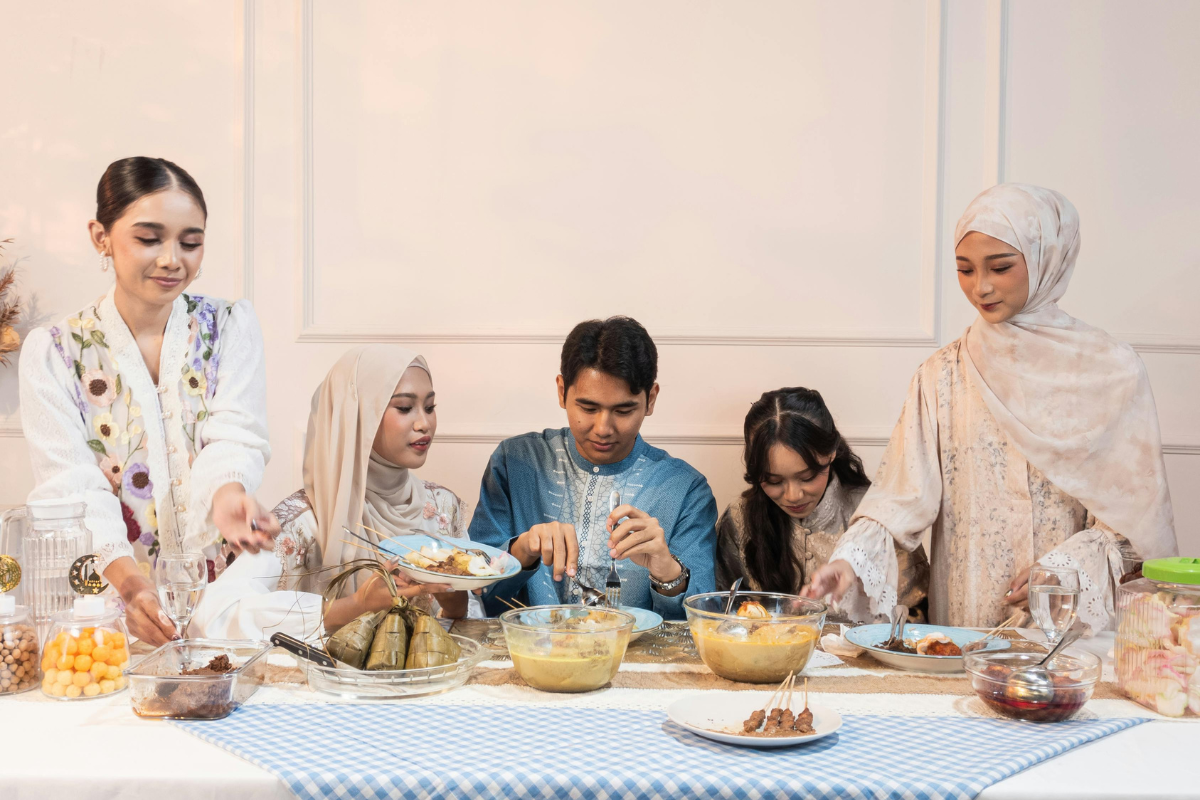
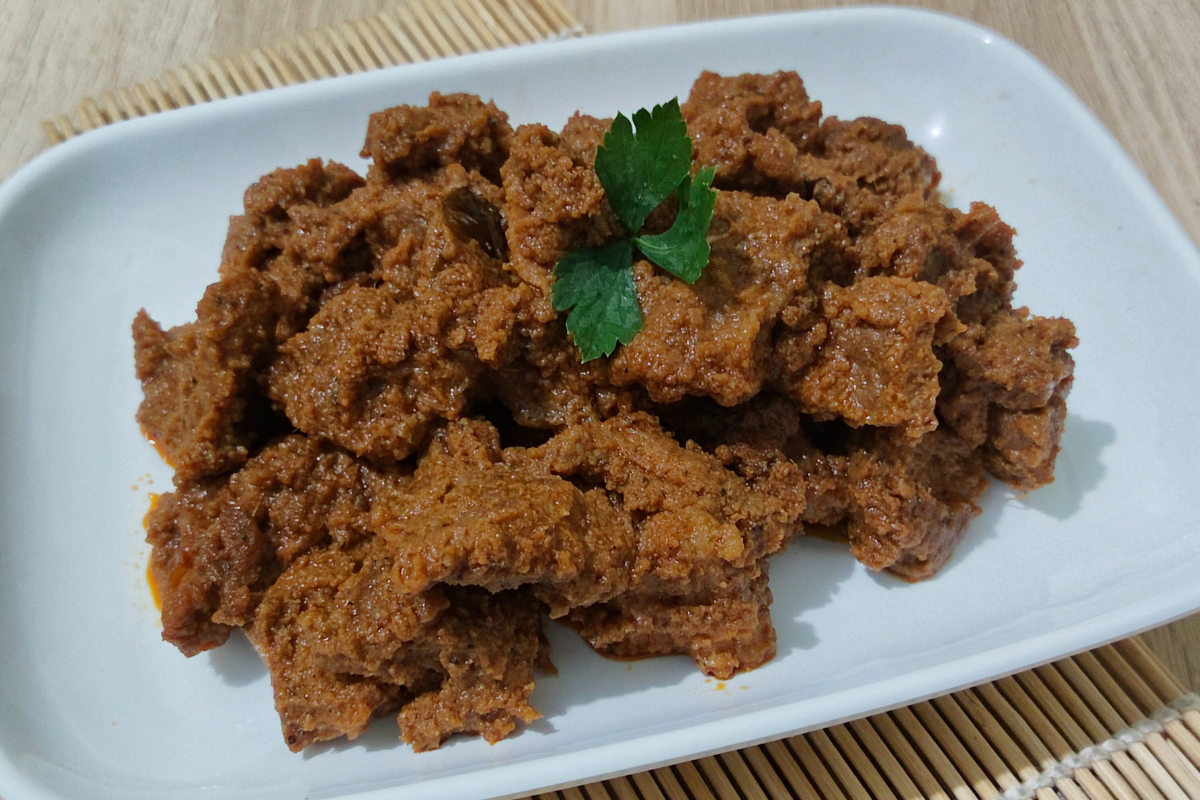
After the sacrifice, families gather to enjoy meals together. In many regions, dishes vary, from grilled meats to traditional meals.
In South Asia, for example, families may prepare dishes alongside sweets like sheer khurma, while in the Middle East and North Africa, local cuisine shapes the celebration, including traditional sweets such as ma'amoul and samosas.
Eid becomes a time of connection, warmth, and shared blessings.
6. Exchange Greetings and Gifts
One of the most joyful parts of celebrating Eid al Adha is connecting with others.
Muslims greet each other with:
“Eid Mubarak” (Blessed Eid)
It is also common to:
Visit relatives and friends
Exchange gifts, including cash gifts known as Eidiya for children
Spend time with children and loved ones
These moments strengthen relationships and create lasting memories.
Spiritual Meaning Behind Eid al Adha
While the outward practices are important, the deeper meaning of Eid al Adha lies in the heart.
The Qur’an teaches:
“Their meat will not reach Allah, nor will their blood, but what reaches Him is piety from you…”
(Surah Al-Hajj 22:37)
This verse reminds us that the true essence of sacrifice is taqwa (consciousness of Allah).
Eid is an opportunity to reflect on:
Our intentions
Our relationship with Allah
Our willingness to sacrifice for what is right
Balancing Celebration and Islamic Values
Eid is joyful, but it is also rooted in modesty and gratitude. Islam encourages Muslims to celebrate in ways that remain respectful and aligned with faith.
For example, while dressing well is encouraged, modesty remains important. Many people explore appropriate Muslim Marriage Clothes styles even for Eid gatherings, balancing elegance with Islamic values.
Similarly, maintaining respectful interaction between men and women is part of preserving the spirit of the day, especially when considering boundaries such as can muslim kiss before marriage or other interactions.
Eid al Adha in Modern Life
In today’s fast-paced world, celebrating Eid may look different depending on where you live.
Some Muslims celebrate in diverse communities, while others may be far from family. Yet the essence remains the same:
Prayer
Gratitude
Generosity
Connection
Platforms like Love, InshaAllah highlight how faith continues to shape modern relationships and life decisions. You can explore our mission and programs to see how Muslim communities continue to grow with shared values.
Eid and Strengthening Relationships
Eid is not only about rituals—it is also about relationships.
It provides an opportunity to:
Reconnect with family
Resolve misunderstandings
Strengthen bonds
For those considering marriage, Eid gatherings often bring families together, opening doors for meaningful introductions. Some individuals even reflect on compatibility and values during this time, especially when thinking about questions like will a marry a Christian or other life decisions.
For those actively searching, a Muslim matchmaking program can help guide relationships in a halal and structured way.
Comparing Eid al Adha and Eid al Fitr
Eid al Adha and Eid al Fitr stand as the two most significant celebrations in the Islamic calendar, each holding a special place in the hearts of Muslims around the world. While both are joyous occasions marked by prayer, family gatherings, and acts of generosity, they differ in their origins, timing, and traditions.
Eid al Fitr, known as the “Festival of Breaking the Fast,” comes at the end of Ramadan—the holy month of fasting, reflection, and spiritual renewal. It is celebrated on the first day of Shawwal, the tenth month of the Islamic lunar calendar. In contrast, Eid al Adha, or the “Festival of Sacrifice,” is observed on the 10th day of Dhu al Hijjah, the final lunar month, coinciding with the Hajj pilgrimage in Mecca. This festival commemorates the unwavering faith of Prophet Abraham, who was willing to sacrifice his son in obedience to Allah’s command.
The rituals of each festival reflect their unique significance. On Eid al Fitr, Muslims gather early in the morning to perform the special Eid prayer, don their best or new clothes, and visit friends and family. The day is filled with the exchange of gifts, sharing of traditional sweets like sheer khurma, and heartfelt greetings of “Eid Mubarak.” The focus is on gratitude for completing the month of fasting and on strengthening community bonds.
Eid al Adha, on the other hand, centers around the act of animal sacrifice—a ritually acceptable animal such as a goat, sheep, or camel is offered, symbolizing Prophet Abraham’s devotion. The meat is thoughtfully divided: one portion for the family, one for relatives and friends, and one for those in need. This act of charity and compassion is a defining feature of Eid al Adha, reminding Muslims of their duty to care for the less fortunate. Like Eid al Fitr, the day begins with the Eid prayer, followed by gatherings, festive meals, and the exchange of gifts.
Across many regions—including South Asia, the Middle East, and North Africa—both Eid al Adha and Eid al Fitr are celebrated with vibrant traditions. Homes are decorated, special foods are prepared, and communities come together in a spirit of unity and joy. Whether it’s the sweet treats of Eid al Fitr or the generous sharing of Qurbani meat during Eid al Adha, these festivals are a time to reconnect with faith, family, and culture.
Despite their differences, both Eid al Adha and Eid al Fitr embody the core values of Islam: gratitude, sacrifice, compassion, and devotion to Allah. They offer Muslims a chance to reflect on their spiritual journey, strengthen relationships, and spread kindness within their communities. Whether you are celebrating the end of Ramadan or honoring the legacy of Prophet Abraham, each festival is a blessed opportunity to say “Eid Mubarak” and embrace the deeper meaning of these sacred days.
Common Mistakes to Avoid During Eid
While celebrating, it is helpful to remain mindful of a few common mistakes:
Focusing only on food and neglecting the spiritual aspect
Overspending or showing off
Ignoring the needs of the poor
Missing the Eid prayer
Eid is most meaningful when balance is maintained between joy and worship.
Conclusion
Understanding how to celebrate Eid al Adha goes beyond following traditions—it is about embracing the spirit of sacrifice, gratitude, and faith.
This Islamic holiday reminds Muslims that true success lies in sincerity and obedience to Allah. Whether through prayer, charity, family time, or reflection, every action on this day carries deeper meaning.
When celebrated with intention, Eid becomes more than a festival. It becomes a moment of renewal—a chance to reconnect with faith, strengthen relationships, and move forward with a قلب filled with gratitude and hope.
Eid Mubarak.