
Muslim Marriage Clothes: Choosing Wedding Attire with Modesty, Beauty, and Faith
A Muslim wedding is a sacred beginning, not only a celebration. For couples preparing for their nikah, choosing the right muslim marriage clothes often becomes a meaningful part of honoring faith, culture, and personal expression.
Many modern Muslims want wedding attire that reflects elegance and individuality while remaining rooted in Islamic values. Whether you are a bride, groom, or guest, understanding how modesty and beauty work together in Islam helps you make confident, spiritually aligned choices.
This guide explores Islamic principles, cultural diversity, and practical guidance for selecting muslim wedding dresses and wedding attire with clarity and compassion.
Islamic Perspective on Clothing and Weddings
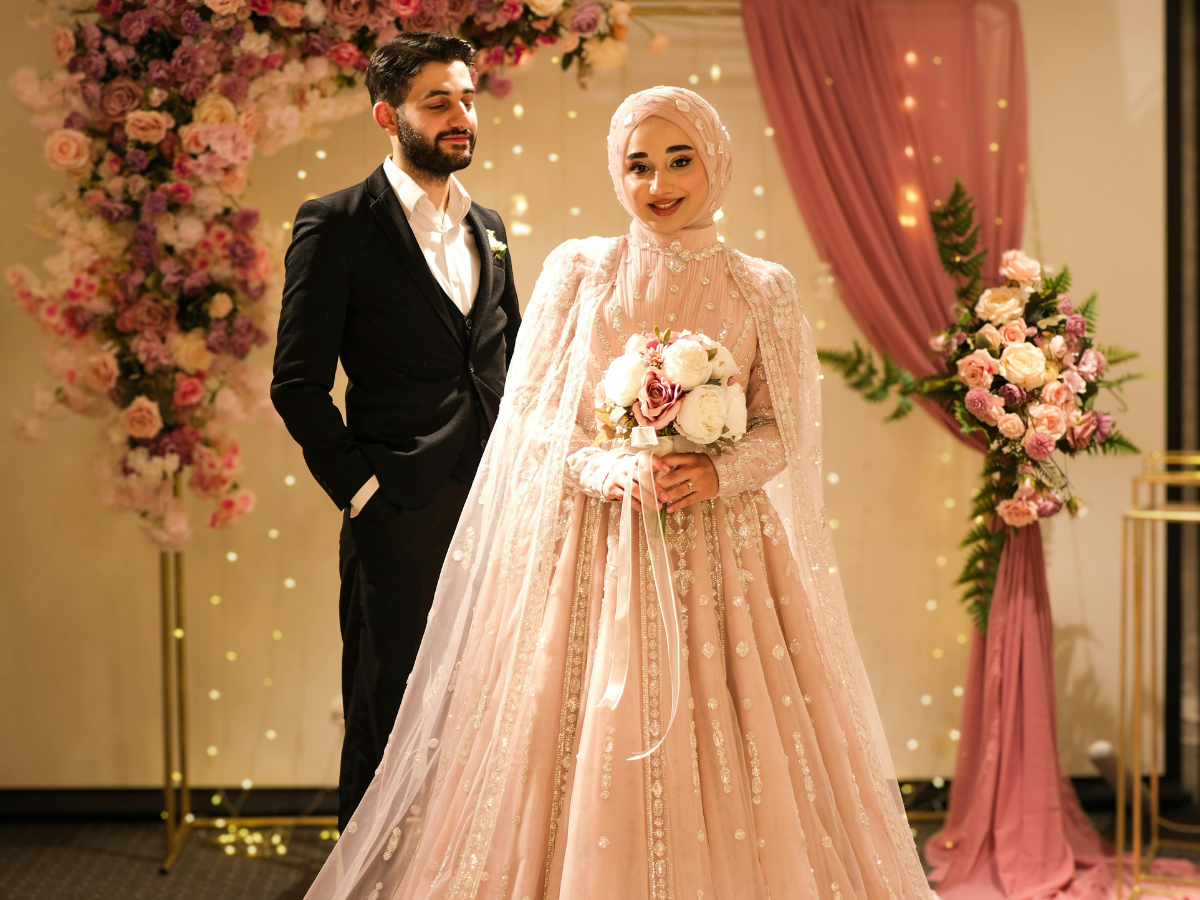
Islam views clothing as a sign of dignity and care, especially during significant life events such as marriage.
Allah says in the Holy Qur’an:
“O children of Adam, We have bestowed upon you clothing to conceal your private parts and as adornment. But the clothing of righteousness, that is best.”
Surah Al A‘raf 7:26
This verse reminds believers that adornment is not discouraged. Instead, Islam invites balance. Wedding clothing can be beautiful and refined while remaining modest and respectful of the sacred occasion.
Many couples find it helpful to center their planning around prayer and intention. Beginning the journey with reflection and supplication, such as those shared in Dua for Marriage, helps keep the focus on barakah rather than pressure.
What Modesty Means for Muslim Marriage Clothes
Scholars commonly describe modest wedding clothing using a few consistent principles. Interpretations can vary by school of thought and culture, but most scholars advise attire that:
Covers appropriately and avoids exposure of the ‘awrah
Is not transparent
Is not excessively tight in a way that outlines the body
Maintains dignity suited to a sacred occasion
Rather than rigid rules, Islamic guidance emphasizes wisdom and awareness. Many couples discuss these expectations together early on, especially when navigating mixed gatherings or cultural customs. Articles such as Muslim Dating Rule can help couples approach these conversations with mutual understanding.
Muslim Wedding Dresses for Brides Across Cultures
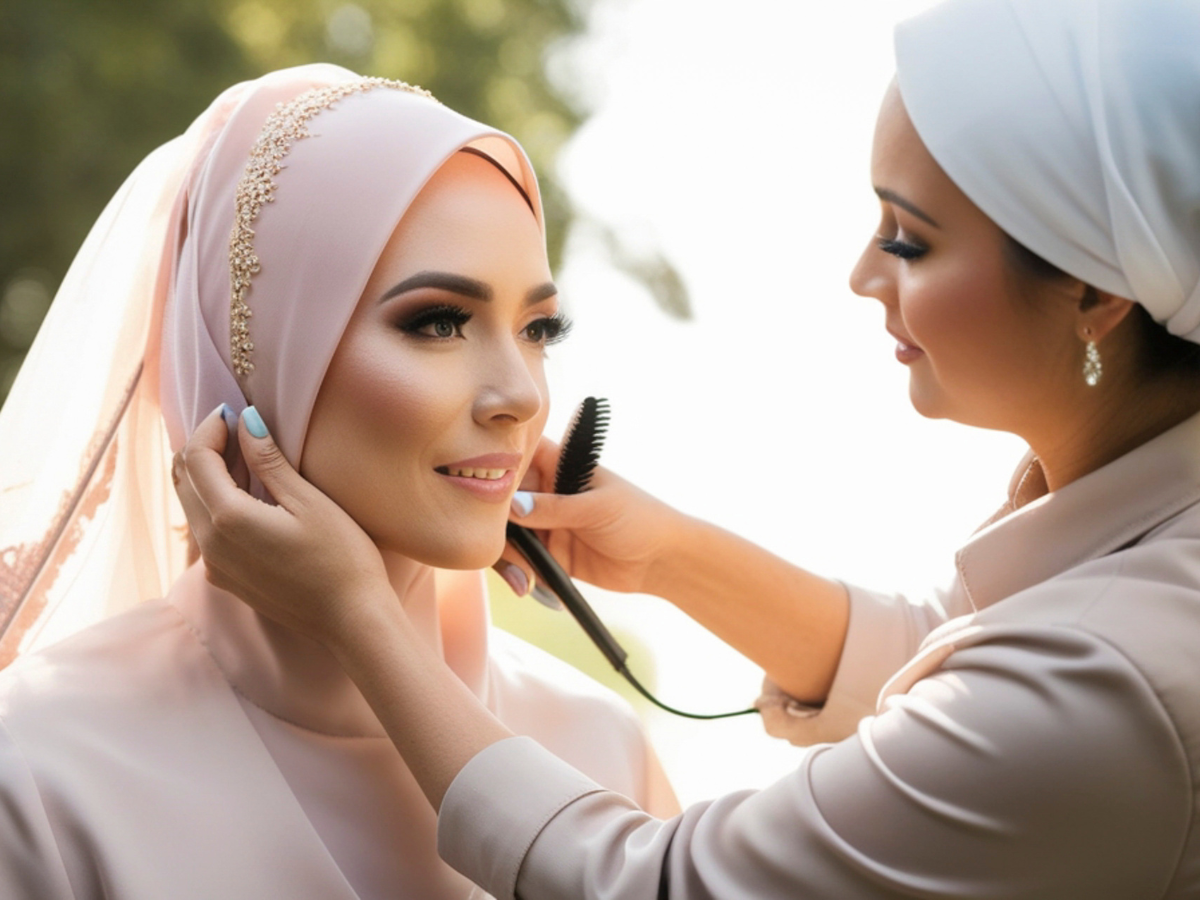
Muslim weddings are beautiful celebrations filled with cultural significance.
One of the most beautiful aspects of muslim marriage clothes is their cultural diversity. Islam allows wide expression as long as modesty is preserved. There is a vast collection of styles available, reflecting different regions and traditions. Muslim weddings often feature traditional attire such as shalwar kameez, sarees, and lehengas for women.
Traditional Bridal Styles
In South Asian weddings, brides often wear richly detailed and embellished lehengas, ghararas, or shararas in colors such as gold, pink, deep red, or blue. These outfits are commonly paired with a dupatta that provides modest coverage.
Traditional Muslim wedding attire emphasizes modesty and elegance, featuring garments like embroidered abayas, lehengas, and kaftans for women.
In Arab traditions, brides may choose long, flowing gowns with sleeves, often in white or ivory, styled with a hijab or veil. The kaftan is also a popular traditional option, often beautifully embroidered and embellished. Turkish, African, and Southeast Asian Muslim weddings also feature unique silhouettes and fabrics that reflect local heritage.
Each tradition brings beauty without compromising faith.
Modern Modest Wedding Dresses
Today’s designers offer breathtaking maxi dresses, structured gowns, and flowing silhouettes that combine modest coverage with high fashion. Brides often choose:
Long sleeves in lace, satin, or tulle
High necklines that still look stylish
A-line or ballgown shapes that feel elegant and comfortable
Luxurious fabrics that enhance sophistication and comfort
Optional overlays or detachable pieces for flexibility across events
Muslim bridal gowns are popular among brides for their elegance and simplicity. Long-sleeved maxi dresses with high necklines offer elegance and comfort, making them a perfect choice for Muslim weddings.
These details allow brides to feel radiant without compromising modesty.
Hijab and Veil Choices
Bridal hijab styles range from minimal to ornate, and the right hijab draping can complement and enhance the overall bridal look. Some brides coordinate fabric and embellishment with their dress, while others add a veil over the hijab for a classic bridal look. Comfort and security are essential, especially during long ceremonies.
Groom Attire with Tradition and Simplicity
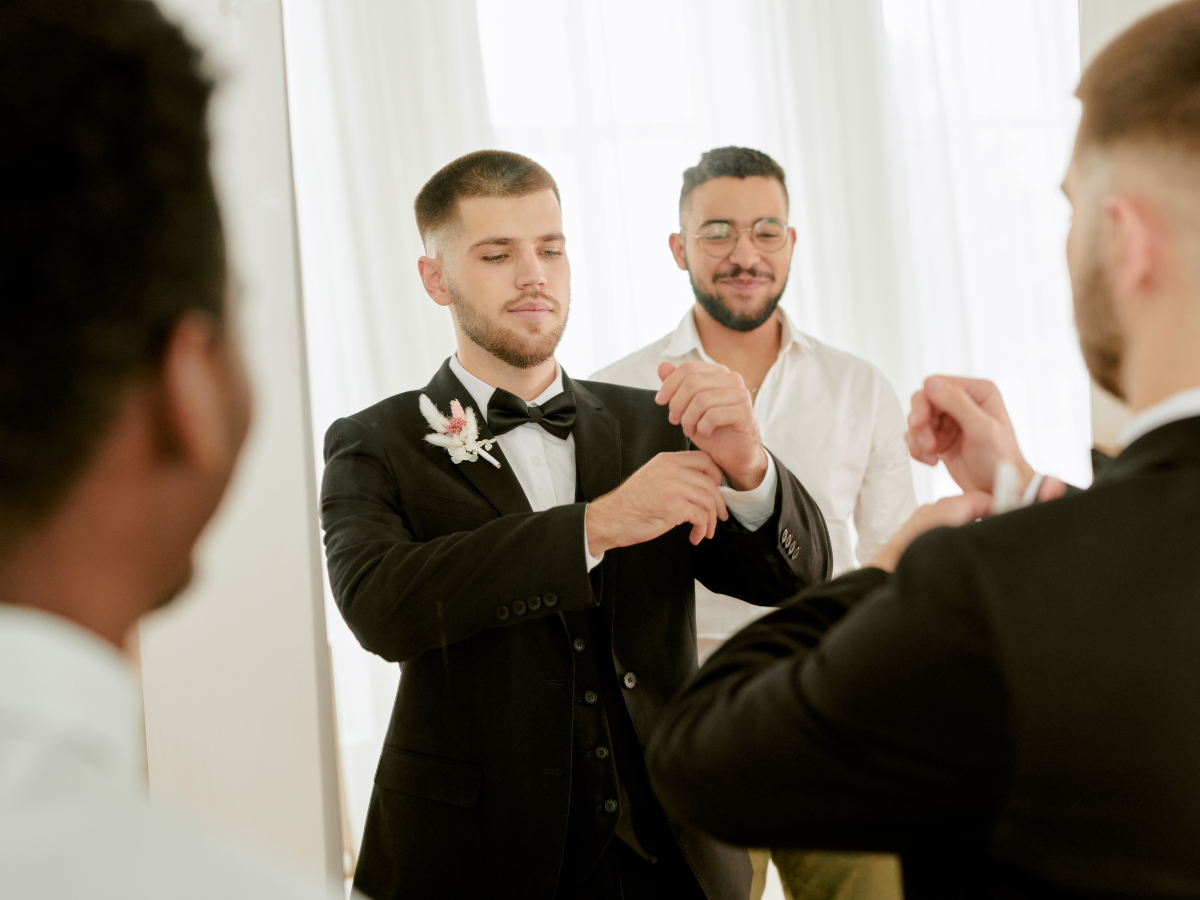
Grooms also play an important role in setting the tone of the wedding. Men’s muslim marriage clothes often reflect humility, leadership, and cultural pride.
Common choices include tailored suits, sherwanis, kaftans, or thobes depending on cultural background. Neutral and classic colors such as black, navy, cream, or gold accents are popular.
Islam encourages men to present themselves with care and cleanliness, following the example of Prophet Muhammad, who valued neat appearance without extravagance.
What Guests Should Wear to a Muslim Wedding
Guests are encouraged to dress modestly and respectfully, keeping in mind that a nikah is a religious ceremony. It is important to check the invitation for any specific dress code, as some Muslim weddings may include particular guidelines. Guests should avoid wearing black or white, as these colors can have specific cultural meanings.
Women often opt for maxi dresses with sleeves, modest sets, or traditional ethnic wear such as embroidered abayas, sarees, or kaftans—a great option for embracing cultural heritage. In Arab weddings, guests tend to dress very conservatively, often covering their arms and hair with a hijab. When choosing an outfit for a Muslim wedding, expect to cover your arms and legs, or to wear higher necklines. Practical shoes that can be easily removed, such as flats or mules, are recommended for religious or cultural reasons.
Men typically wear suits or traditional clothing. Choosing the right outfit can help you feel confident and comfortable throughout the event. If you are unsure about what to wear, seek guidance from the hosts to ensure your attire aligns with cultural and religious expectations.
Practical Considerations When Choosing Wedding Attire
Comfort and Movement
Wedding days are long. Outfits should allow comfortable sitting, standing, and movement. Heavy embellishment can be beautiful, but it is important to consider weight, sleeve flexibility, and footwear comfort.
Venue and Weather
Nikah ceremonies held in mosques may involve floor seating, which influences garment choice. Outdoor weddings may require layers or wind friendly hijab styling.
Budget and Balance
Islamic teachings encourage moderation. Renting outfits, buying pre owned attire, or customizing simpler designs can reduce financial stress. A marriage grounded in responsibility benefits more from wisdom than excess. Resources like Rights of Muslim Wife highlight the importance of financial care as part of marital respect.
Honoring Tradition While Expressing Yourself
One of the beautiful challenges of choosing Muslim marriage clothes is finding the balance between honoring tradition and expressing your individual style and personality.
For example, abayas and kaftans are popular choices in the Middle East and North Africa, while sarees and lehengas are favored in South Asian traditions. These garments allow you to respect cultural customs while still showcasing your unique taste.
When it comes to accessories, opting for understated jewelry and elegant pieces can add a touch of sophistication to your outfit, elevating your look without being distracting.
When Family Expectations and Personal Preferences Differ
Sometimes families have strong expectations about wedding attire that don't align with what you envision for yourself. Perhaps your family expects traditional cultural clothing while you prefer a more contemporary modest design, or vice versa.
These situations require gentle communication, mutual respect, and sometimes compromise. Remember that your wedding celebrates not just the couple but also the joining of families. Finding ways to honor family wishes while maintaining your authentic expression shows maturity and respect.
Consider wearing multiple outfits if budget allows, perhaps traditional attire for the nikah ceremony to honor family expectations and contemporary style for the reception to reflect your personal taste. Incorporate elements from family traditions into a more modern design, blending old and new.
Ultimately, while respecting your family, remember that you're the one wearing the outfit and creating memories in it. The clothes should make you feel beautiful, confident, and authentically yourself.
Modest Fashion as Personal Empowerment
Choosing Muslim marriage clothes that align with Islamic principles of modesty isn't about restriction or limitation. For many Muslim women, modest fashion represents empowerment and the freedom to be valued for who they are rather than how much skin they show.
Your wedding day outfit can embody this empowerment beautifully. You can look absolutely stunning while fully covered, proving that modesty and beauty aren't opposites but complements. The focus shifts from physical exposure to the elegance of the garment, the beauty of your smile, and the joy in your eyes.
Making the Final Decision
After researching styles, visiting shops, shopping online, trying on options, and considering all the factors, how do you make your final decision about Muslim marriage clothes? You can shop for Muslim wedding attire at boutiques, department stores, and a wide range of online stores. Online shopping offers a variety of Muslim wedding wear suitable for different events and dress codes.
Trust Your Instincts
Often, the right outfit simply feels right when you put it on. You feel beautiful, comfortable, confident, and like yourself. Trust that feeling, even if the outfit differs from what you initially imagined.
On the other hand, if something doesn't feel right even though it looks objectively beautiful, pay attention to that instinct too. Your comfort and confidence matter tremendously for enjoying your wedding day.
Pray for Guidance
Don't underestimate the value of istikhara, the Islamic prayer for guidance, when making significant decisions including wedding attire choices. Ask Allah to guide you toward what's best and give you peace about your decision.
Sometimes what seems like a simple fashion choice connects to deeper values about how you want to present yourself, what traditions you want to honor, and what kind of marriage you're building.
Remember the Bigger Picture
While choosing beautiful Muslim marriage clothes matters for feeling special on your wedding day, remember that the outfit is just one small part of your marriage journey. The marriage itself, built on Islamic principles, mutual respect, and genuine love, matters infinitely more than what you wear for a few hours.
Keep perspective. Enjoy the process of choosing your wedding attire, but don't let it overshadow the spiritual significance of the nikah ceremony or the exciting journey of marriage you're beginning.
Platforms like Love, InshaAllah and our mission and programs emphasize building marriages on strong foundations of faith, shared values, and authentic connection. Your wedding clothes express these values visually, but the real substance lies in the commitment you're making to each other and to Allah.
Frequently Asked Questions
Do Muslim wedding dresses have to be white
No. Islam does not require a specific color. Brides may wear white, gold, pink, blue, or any color that aligns with their culture and preference while maintaining modesty.
Are sleeveless wedding dresses allowed if covered
Many scholars advise covering the arms in mixed gatherings. Adding sleeves, a jacket, or an overlay is a common and elegant solution.
What should I wear as a guest to a nikah ceremony
A modest outfit that covers the arms and legs is usually appropriate. Maxi dresses, loose elegant sets, or traditional clothing are all good options.
How can couples coordinate outfits without matching exactly
Couples often choose complementary colors, similar levels of formality, or one shared detail such as embroidery tone or accessory color. This creates harmony without feeling forced.
Conclusion
Choosing muslim marriage clothes is about more than appearance. It is an opportunity to begin marriage with intention, modesty, and joy. When faith guides style, wedding attire becomes a reflection of dignity, gratitude, and a hopeful new beginning.