
Eid al Adha vs Eid al Fitr: What’s the Real Difference Between the Two Eids in Islam?
For many Muslims, both Eids bring a special feeling—early morning prayers, warm greetings of Eid Mubarak, and cherished moments with family. Yet, beyond these shared experiences, each Eid carries its own unique spiritual significance.
These two festivals are not merely dates on the Islamic calendar; they represent distinct journeys of faith. One is rooted in gratitude following a month of fasting, while the other centers on sacrifice and unwavering trust in Allah.
By exploring the differences between eid al adha vs eid al fitr, we can better appreciate the rituals and the profound meanings behind each celebration.
Introduction to Islamic Festivals
Islamic festivals, known as Eids, are among the most cherished and meaningful occasions in the islamic calendar. These celebrations bring together muslims from all walks of life, uniting communities in faith, gratitude, and remembrance. The two most significant festivals are eid al fitr and eid al adha, each rooted deeply in islamic tradition and history.
Eid al Fitr, often called the “festival of breaking the fast,” marks the end of the holy month of ramadan—a period of fasting, prayer, and reflection. It is a time when muslims celebrate the completion of a spiritual journey, gathering with loved ones to express gratitude and joy.
Eid al Adha, or the “festival of sacrifice,” commemorates the profound story of Prophet Ibrahim’s willingness to sacrifice his beloved son in obedience to Allah. This act of devotion and trust is honored by muslims worldwide, making eid al adha a powerful reminder of faith and sacrifice.
Both festivals are more than just dates on the calendar—they are moments to celebrate, reflect, and strengthen the bonds of community and belief. Through fasting, prayer, and acts of charity, muslims around the world come together to honor these sacred traditions.
Why Does Islam Have Two Eids?
Islam recognizes only two major religious holidays, each marking a significant milestone in a Muslim’s spiritual life. These are formally known as Eid ul-Fitr and Eid ul Adha. The word 'Eid' means festival, highlighting the celebratory and religious nature of these occasions.
The Prophet Muhammad ﷺ said:
“Allah has replaced them for you with two better days: the day of Al-Fitr and the day of Al-Adha.” (Sunan Abi Dawud 1134)
Eid ul Adha is also known as the 'Festival of Sacrifice', while Eid ul-Fitr is often referred to as the 'Festival of Breaking the Fast'.
These Eids are deeply connected to worship, sacrifice, and remembrance of Allah, each in its own way.
A Quick Look: Eid al Adha vs Eid al Fitr
Here is a simple way to understand the difference:
Eid al Fitr marks the end of Ramadan and celebrates the completion of fasting.
Eid al Adha commemorates the devotion of Prophet Ibrahim and is linked to the Hajj pilgrimage.
Zakat al Fitr is required before Eid al Fitr prayer.
Animal sacrifice (Qurbani) is associated with Eid al Adha.
The official dates of both Eids are determined by the lunar year and can vary based on moon sighting, leading to different specific dates in different countries. Both Eids involve special prayers held in congregation. Both Eids emphasize giving to the needy and celebrating community. Eid al-Fitr is celebrated with feasting, gift-giving, and acts of charity, while Eid al-Adha focuses on sacrifice and communal prayers.
While both involve eid prayers, family gatherings, and festive meals, their purpose and emotional tone are distinct.
Eid al Fitr: The Joy After Patience
Meaning and Timing
Eid al Fitr takes place on the 1st of Shawwal, immediately after the month of Ramadan ends. Its date is confirmed by the sighting of the crescent moon, which can cause slight variations between countries.
After a month of fasting, prayer, and self-restraint, this Eid feels like a heartfelt reward.
Allah says:
“And [wants] for you to complete the period and to glorify Allah for that [to] which He has guided you; and perhaps you will be grateful.”
(Surah Al-Baqarah 2:185)
This sense of gratitude defines Eid al Fitr.
How Eid al Fitr Is Celebrated
The day begins with communal prayers at the mosque or open grounds. Before attending, Muslims give zakat al fitr, ensuring everyone in the community can join in the celebration.
The rest of the day often includes:
Sharing breakfast after a month of fasting.
Visiting family and reconnecting with loved ones.
Wearing new or clean clothes.
Giving gifts, especially to children.
In many homes, the atmosphere is warm, calm, and deeply personal.
Eid al Adha: The Festival of Sacrifice
Meaning and Timing
Eid al Adha, also known as Eid al Kabir (Big Eid), falls on the 10th of Dhu al Hijjah. It coincides with the final days of Hajj, the annual pilgrimage to Makkah.
This Eid commemorates the powerful story of Prophet Ibrahim (AS) and his willingness to sacrifice his son for the sake of Allah.
The Qur’an narrates:
“O my son, indeed I have seen in a dream that I must sacrifice you…”
(Surah As-Saffat 37:102)
This moment captures complete trust in Allah.
How Eid al Adha Is Celebrated
Like Eid al Fitr, the day starts with eid prayer. However, what follows is unique.
Muslims who are able perform animal sacrifice (Qurbani), and the meat is shared as follows:
One portion for the family.
One for relatives and friends.
One for those in need.
Allah reminds us:
“Their meat will not reach Allah, nor will their blood, but what reaches Him is piety from you…”
(Surah Al-Hajj 22:37)
This shows that the act is about sincerity, not just ritual.
The Core Difference Between Eid al Adha and Eid al Fitr
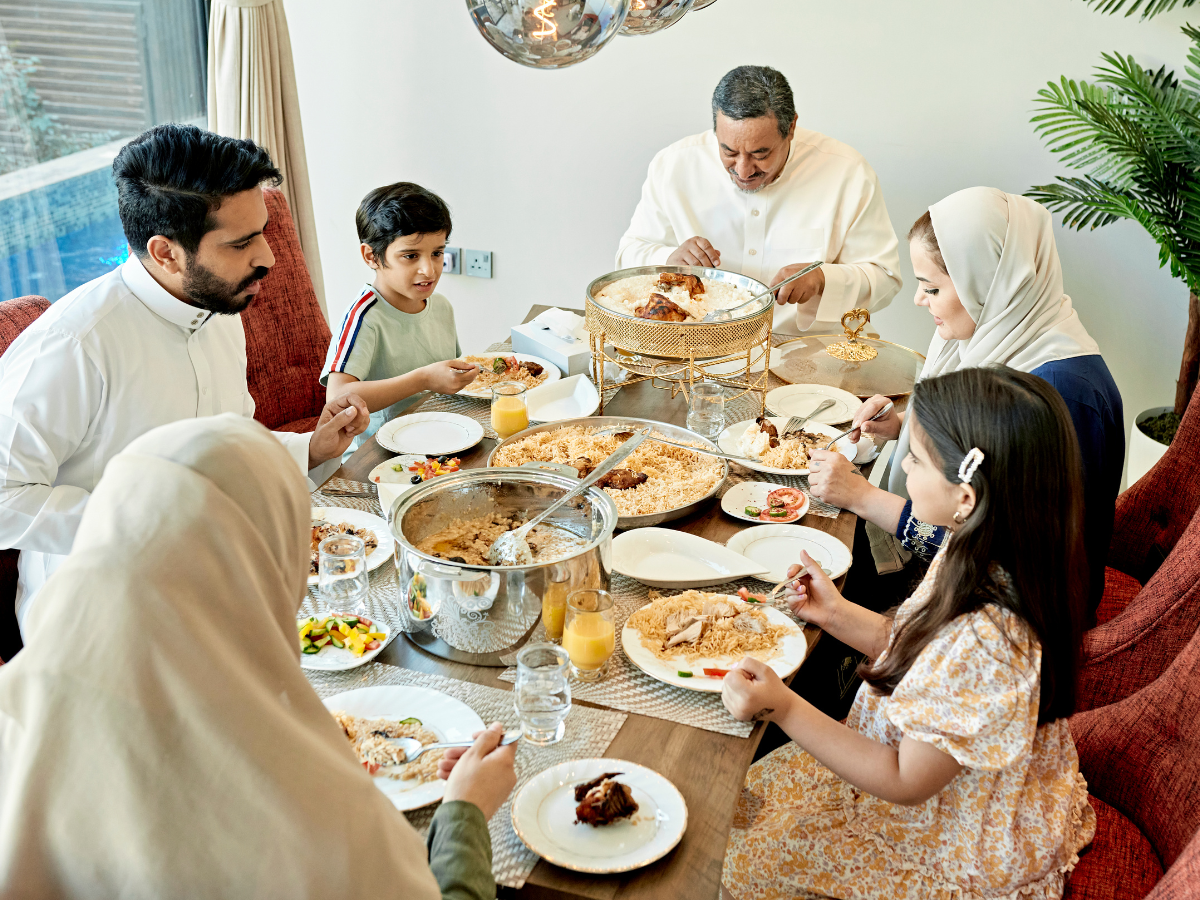
When people ask about the difference between eid al fitr and eid al adha, they often seek facts. But the deeper difference lies in what each Eid teaches.
Eid al Fitr Teaches:
Gratitude after effort.
Spiritual renewal.
Reflection and calm joy.
Eid al Adha Teaches:
Sacrifice and obedience.
Trust in Allah’s plan.
Generosity and sharing.
Both are essential. One softens the heart, the other strengthens it.
Shared Traditions Between Both Eids
Despite their differences, the two Eids share a common spirit. Eid traditions such as communal prayers, festive gatherings, and acts of charity are observed across cultures, highlighting both the religious and cultural diversity of these celebrations.
Across both festivals:
Muslims perform Eid prayers in congregation, typically held in large open spaces or mosques shortly after sunrise.
Festivities include special prayers at mosques or open spaces in the morning, followed by communal gatherings and celebrations.
It is a tradition to wear new clothes on both Eid al-Fitr and Eid al-Adha.
Children often receive gifts or money, known as 'Eidi', during Eid celebrations.
Families gather for meals and visits.
Charity remains central to the celebration.
These shared traditions remind Muslims that faith is not only personal—it is also deeply communal.
The Difference Between Eid al and Other Festivals
Eid al Fitr and eid al adha hold a unique place in the islamic calendar, standing apart from other religious or cultural observances. Unlike other festivals that may be celebrated by muslims in different regions, these two Eids are universally recognized and observed by the global muslim community.
Eid al Fitr is celebrated on the first day of Shawwal, the tenth month of the islamic lunar calendar, marking the end of ramadan and a month of fasting. In contrast, eid al adha takes place on the tenth day of Dhu al Hijjah, the twelfth month of the lunar calendar, and coincides with the hajj pilgrimage—one of the five pillars of islam.
The difference between eid al fitr and eid al adha is not just in their timing, but also in their meaning and traditions. Eid al Fitr is a joyful celebration of spiritual renewal and the completion of fasting, while eid al adha is a solemn commemoration of sacrifice, inspired by Prophet Ibrahim’s unwavering obedience to Allah.
While other occasions may be observed throughout the year, these two festivals are the heart of islamic tradition, each with its own rituals, prayers, and customs. Whether it’s the communal prayers, the spirit of giving, or the emphasis on sacrifice and gratitude, eid al fitr and eid al adha continue to shape the rhythm of muslim life and celebration around the world.
How Dates Work: Islamic vs Gregorian Calendar
A common question is why Eid dates change every year.
The Islamic lunar calendar is about 10–11 days shorter than the Gregorian calendar. The Gregorian calendar is a solar calendar, based on the Earth's orbit around the sun, while the Islamic calendar is based on the lunar year, which is determined by the cycles of the moon. This difference causes both Eids to shift earlier each year when compared to the solar calendar.
Additionally, differences in moon sighting methods can lead to slight variations in Eid dates across countries.
Cultural Differences Around the World
While core rituals remain the same, Eid celebrations vary globally, with different traditions and Eid traditions observed in various regions, reflecting the cultural diversity of Eid celebrations.
In South Asia, families prepare rich dishes, share traditional sweets like seviyan or barfi, and give Eidi to children.
In the Middle East, large gatherings, hospitality, and sharing of traditional sweets such as maamoul define the day.
In North Africa, community meals, shared celebrations, and the exchange of traditional sweets are central.
These differences highlight how Islam embraces cultural diversity while maintaining unity in faith.
Eid and Relationships: A Time to Reconnect
Eid is more than a religious event; it is also a time for relationships.
Families reconnect, conversations open up, and sometimes important life decisions, like marriage, begin during these gatherings.
Platforms like Love, InshaAllah support individuals in navigating these conversations with sincerity and purpose. You can also explore our mission and programs to see how faith-based guidance supports meaningful connections.
For those seeking a halal path forward, a Muslim matchmaking program provides a structured and respectful way to find a compatible partner.
Eid often becomes the starting point for these journeys.
A Thoughtful Reminder
In the excitement of eid celebrations, it’s easy to focus only on food, clothes, and social events. But both Eids gently call us back to something deeper.
They remind us to:
Stay connected to Allah.
Be mindful in our actions and relationships.
Give generously.
Celebrate with sincerity.
Even topics like boundaries and conduct—often discussed in areas such as muslim marriage law—remain important during social gatherings.
Final Reflection
When you truly reflect on eid al adha vs eid al fitr, you begin to see that they are not just two different festivals.
They are two lessons.
One teaches you how to be grateful after a month of discipline.
The other teaches you how to surrender when tested.
Together, they shape a believer’s life—balancing joy with sacrifice, celebration with purpose, and faith with action.