
Muslim Sects Explained: What Every Muslim Should Know Before Marriage
Understanding muslim sects is not only a matter of history or theology. For many Muslims today, it directly influences marriage, family expectations, and daily religious life. Whether someone is searching for a spouse or trying to understand their partner’s background, this topic carries both emotional and practical importance.
Across the global Muslim community, diversity exists in interpretation, scholarship, and practice. Yet at the same time, Muslims remain united in their belief in Allah, the Qur’an, and the message of the Prophet Muhammad ﷺ.
This guide offers a balanced, well-researched explanation of major sects, their origins, and how they shape marriage and relationships today—while remaining grounded in authentic Islamic sources and a compassionate, modern tone.
Why Understanding Muslim Sects Matters Today
In modern times, understanding sect differences is especially important because they often influence how families approach marriage, religious practice, and community life.
For example, sect identity can affect:
Which Islamic scholars a family follows
How marriage contracts are structured
Expectations around raising children
Ritual practices and religious celebrations
Many inter-sect relationships face challenges not because of faith differences, but because of unclear expectations. Couples may struggle with questions like which school of law to follow or how children will be raised.
These realities make it essential to approach the topic with knowledge, empathy, and clarity. Platforms that focus on meaningful relationships, such as Love, Inshallah aim to help Muslims navigate these complexities while staying grounded in faith.
You can also explore our mission and programs to understand how faith-based matchmaking supports couples across different backgrounds.
The Historical Origin of Muslim Sects
The development of muslim sects began after the passing of the Prophet Muhammad ﷺ. After the Prophet Muhammad died in 632, there was disagreement about who should become the caliph. The early Muslim community faced a question about leadership: who should guide the community after the Prophet?
Some companions supported Abu Bakr (RA) as the first leader (caliph), emphasizing consultation and consensus. Others believed leadership should remain within the Prophet’s family, particularly through Ali ibn Abi Talib (RA), Muhammad's cousin and son-in-law.
This historical difference is often called the original schism. The original schism among Muslims was mainly political, not religious, in nature. Those who believed Ali was the rightful caliph became known as Shiites, while those who supported Abu Bakr became known as Sunnis. Over time, it developed into two major traditions:
Sunni Muslims
Shia Muslims
Although this began as a political disagreement, it gradually influenced religious interpretation, legal schools, and community practices.
Core Beliefs That Unite All Muslims
Despite differences, all major muslim sects share foundational beliefs that define Islam.
Allah says:
“Indeed, this, your religion, is one religion, and I am your Lord, so worship Me.” (Surah Al-Anbiya 21:92)
Across Sunni and Shia traditions, Muslims agree on:
Belief in Tawhid (oneness of Allah)
Acceptance of the Qur’an as the holy book
Recognition of the Prophet Muhammad ﷺ as the final messenger
Observance of the Five Pillars of Islam
Both Sunni and Shia sects uphold the same essential beliefs and five pillars of Islam. Muslims also recognize all prophets, including Jesus, Abraham, and Moses, as part of their shared tradition, which further emphasizes unity across sects.
These shared foundations are far greater than the differences that exist between sects.
Major Muslim Sects and Their Characteristics
Sunni Muslims
Sunni Islam makes up approximately 85-90% of the global Muslim population. Sunni Muslims, known as the followers of the tradition (Ahl-as-Sunnah), represent the majority of Muslims worldwide. They emphasize following the Sunnah (tradition) of the Prophet ﷺ as preserved through his companions. Sunnis believe leadership should be based on elected Caliphs chosen through community consensus, rather than hereditary succession. They also emphasize the authority of the Quran and the Sunnah, interpreted by scholars without a formal clerical hierarchy.
Within Sunni Islam, there are four main sunni schools of law:
Hanafi
Maliki
Shafi’i
Hanbali
These schools differ slightly in interpretation but share the same core beliefs and principles. Sunnis place more emphasis on interpreting Quran scriptures, while Shiites emphasize the teachings of the Prophet Muhammad and his descendants. Today, over 85% of Muslims in the world are Sunni, while Shiites are predominantly found in Iran, Iraq, Azerbaijan, and Bahrain.
In matters of marriage, Sunni scholars emphasize:
Mutual consent between both parties
The role of a guardian (wali), often the father or paternal grandfather
Witnesses and a valid nikah ceremony
Shia Islam
Shia Islam forms the second largest group among Muslims. Shia Muslims emphasize the leadership of the Prophet’s family and the role of Imams as spiritual guides.
The largest Shia group is the Twelver Shia, with significant populations in regions such as Iran and parts of South Asia.
In some aspects of law, Shia jurisprudence differs from Sunni schools. For example, certain Shia scholars recognize temporary marriage (mut‘ah), while most Sunni scholars advise against it.
Despite these differences, both Sunni and Shia Muslims share the same core beliefs in Allah, the Qur’an, and the Prophet ﷺ.
How Sect Differences Can Affect Marriage and Family Life
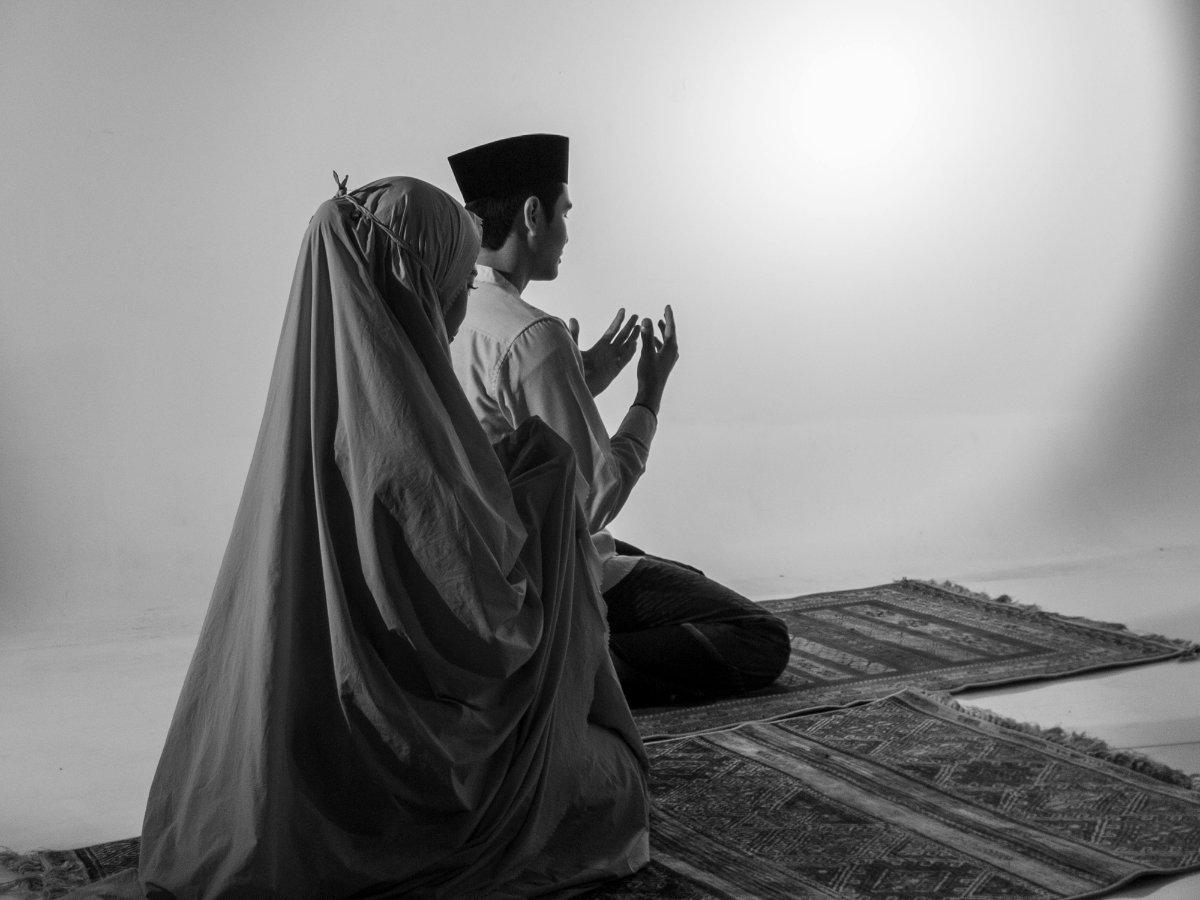
Marriage is one of the most important areas where sect differences become practical.
In pre-Islamic times, society in Arabia practiced various forms of marriage, including marriage by agreement, marriage by capture, and marriage by inheritance, often reflecting the status and limited rights of women. With the advent of Islam, the concept of marriage evolved significantly, introducing new rights and protections for women and regulating marriage more systematically.
Traditional marriage in Islam has sometimes been criticized for allowing polygamy and easy divorce, but it is also defended for its role in maintaining family structure and stability. The expectations and concerns of parents play a significant role in shaping marriage decisions, especially when it comes to inter-sect marriages and the upbringing of children within the family.
Allah says:
“And among His signs is that He created for you from yourselves mates that you may find tranquility in them; and He placed between you affection and mercy.” (Surah Ar-Rum 30:21)
This verse reminds Muslims that marriage is built on peace, love, and mutual respect, regardless of sect, and highlights the importance of the status and rights of women within the marital relationship.
However, differences may appear in areas such as:
Marriage Contract and Nikah Nama
The Arabic word 'Nikah' refers to the Islamic concept of marriage, which is considered both a civil contract and a religious sacrament. The nature of marriage in Islam is inherently contractual, involving legal and social characteristics such as offer, acceptance, and the contractual rights and duties of each party. Marriage is also regarded as a religious duty, fulfilling spiritual and social responsibilities as mandated by the Quran.
The marriage contract defines rights and responsibilities for each other party involved. In both Sunni and Shia traditions, the essential elements of nikah include:
Offer by the man and acceptance by the woman in the presence of witnesses
The presence of witnesses (typically, two male witnesses or one male and two female witnesses are required in Sunni Islam)
Agreed mahr (a mandatory sum of wealth provided to the bride by the groom, agreed upon before the nikah)
Mutual consent from both parties
Free will is essential in marriage consent; both the groom and the bride must willingly and voluntarily agree to the marriage for it to be valid under Islamic law. Consent obtained by coercion, fraud, or mistake renders the marriage void under both Shia and Sunni sects.
The nikah nama often includes legal details such as financial rights and conditions agreed by both parties.
Some scholars also allow couples to include specific clauses in the contract, such as education rights, residence arrangements, or dispute resolution methods.
Family Roles and Gender Expectations
Interpretations may differ regarding:
The role of the wali (guardian): In many Muslim sects, only the father traditionally acts as the primary wali (guardian) for the bride during the marriage contract. If the father is absent, other male relatives such as uncles, paternal grandfathers, or other male relatives may act as guardians.
Rights of a muslim woman in initiating marriage: The person seeking marriage, including a woman, may have varying rights to initiate marriage depending on the sect, but the wali's consent—often only the father or, in his absence, other male relatives—is typically required.
Financial responsibilities of a muslim man: A husband is expected to provide for his wife and children, including daughters, and may also have responsibilities toward his husband's father, such as managing or safeguarding his father's property and maintaining a respectful relationship within the family hierarchy.
Expectations within a joint family system: The husband's relationship with his own father and other male relatives can influence family dynamics, property management, and guardianship roles, reflecting broader expectations in extended family arrangements.
These differences are usually not contradictions but variations in legal interpretation.
Understanding these nuances helps couples avoid misunderstandings later.
Types of Marriages Across Sects
Islamic law classifies marriages into categories based on validity.
Common Classifications
Sahih (valid): All essential conditions are fulfilled
Batil (void): Core requirements are missing
Fasid (irregular): Issues exist but may be corrected (mainly in Sunni law)
Variations in Practice
Different traditions may also recognize or discuss:
Mut‘ah (temporary marriage) in some Shia contexts
Misyar (limited-responsibility marriage) in certain Sunni discussions
‘Urfi marriages (customary, sometimes unregistered)
Most scholars emphasize that a proper marriage should ensure rights, clarity, and protection for both spouses.
For those interested in a structured approach to finding a compatible partner, a Muslim matchmaking program can offer valuable support.
Unconventional Marriages
Unconventional marriages in Islam refer to unions that fall outside the traditional expectations of Muslim societies. This can include marriages between Sunni and Shia Muslims, as well as marriages between Muslims and non-Muslims.
While Islam recognizes the validity of marriage between Muslims of different sects, such as Sunni and Shia, it is often encouraged to marry within one’s own sect to help avoid potential misunderstandings or conflicts related to religious practice and family traditions.
When it comes to marrying non-Muslims, Islamic law generally requires that the non-Muslim partner either embrace Islam or, at the very least, respect the Muslim partner’s faith and religious obligations.
These considerations are important for maintaining harmony and shared values within the marriage, and for ensuring that the faith and identity of any future children are preserved. Ultimately, Islam places great emphasis on faith, mutual respect, and the intention to build a righteous and peaceful family life, regardless of sect or background.
Muta Marriage
Muta marriage, also known as temporary marriage, is a unique practice found within some Shia Muslim communities. In this arrangement, a man and a woman enter into a marriage contract for a predetermined period, after which the marriage automatically ends without the need for divorce.
The concept of muta marriage has been the subject of significant debate among Islamic scholars. While some Shia scholars view it as a legitimate form of marriage that can address specific social needs, such as providing companionship or protecting individuals from sin when permanent marriage is not possible, Sunni Islam does not recognize muta marriage and considers it invalid.
The practice remains controversial, with differing opinions on its religious and social implications. For those considering this type of marriage, it is important to seek guidance from knowledgeable Islamic scholars and to understand the legal and ethical perspectives within their own community.
Inter-Sect Marriage: What Scholars Say
In modern times, inter-sect marriages between Sunni and Shia Muslims are increasingly common.
Most scholars agree that:
Such marriages are generally valid
Both partners should share core beliefs in Islam
Clear communication is essential before marriage
Common concerns include:
Differences in religious practice
Children’s upbringing
Family expectations and traditions
Some scholars recommend including clear agreements in the marriage contract to address these issues.
Practical Guidance for Couples and Families
When navigating sect differences in relationships, Islam encourages wisdom, honesty, and mutual respect.
Important Conversations Before Marriage
Couples should discuss:
Religious practices and prayer habits
Expectations for raising children
Cultural traditions and family involvement
Views on education and gender roles
Strengthening Compatibility
Beyond sect identity, strong marriages are built on:
Shared values and faith
Good character and emotional maturity
Mutual respect and communication
Learning about good husband qualities can help individuals focus on what truly sustains a marriage rather than only sect differences.
Registration of Muslim Marriages
The registration of Muslim marriages is a crucial aspect of Islamic law, especially in modern times. The marriage contract, known as the nikah nama, serves as an official record of the marriage and outlines the rights and responsibilities of both spouses, including the agreed-upon dowry (mahr). Registering the marriage ensures that it is recognized by both religious authorities and the state, providing legal protection and clarity for both parties.
In many Muslim-majority countries, laws now require that a marriage certificate be issued by a recognized Islamic authority, making the marriage legally binding and easier to verify in cases of inheritance, divorce, or other legal matters.
Proper registration of the marriage contract helps prevent disputes and safeguards the rights of both the husband and wife, reflecting the importance Islam places on justice and transparency in marital relationships.
Divorce in Islam
Divorce in Islam is approached with great care and sensitivity, reflecting the religion’s emphasis on the sanctity of marriage. While Islam permits divorce, it is considered a last resort, only to be pursued when reconciliation is no longer possible. The Quran encourages couples to seek mediation and guidance from trusted Islamic scholars or family elders before making a final decision.
There are several forms of divorce recognized in Islamic law: Talaq, which is initiated by the husband; Khula, which allows a wife to seek divorce through the intervention of a judge or Islamic authority; and Faskh, which is a judicial annulment granted under specific circumstances. Throughout the process, Islam stresses fairness, respect, and the protection of both parties’ rights. By following these principles, the Muslim community aims to ensure that even in the case of divorce, the dignity and well-being of all involved are preserved.
Navigating Differences with Wisdom
Scholars throughout history have emphasized that differences in interpretation should not lead to division.
Allah says:
“And hold firmly to the rope of Allah all together and do not become divided…”
(Surah Aal-E-Imran 3:103)
When scholars disagree, they often encourage:
Seeking knowledge from trusted sources
Understanding different opinions respectfully
Prioritizing unity and compassion
In many cases, differences are contextual and manageable, especially when approached with sincerity.
Modern Support for Muslim Relationships
Today, many Muslims seek structured support when navigating relationships and marriage.
Faith-centered platforms like Love, Inshallah offer a space where individuals can connect while respecting Islamic values.
For those looking for a guided approach, a Muslim matchmaking program can help:
Match individuals based on values and goals
Encourage family involvement
Support halal introductions
These services are especially helpful for couples from different sect backgrounds who want clarity and compatibility.
Frequently Asked Questions
Are all Muslim sects part of Islam?
Yes. Sunni and Shia Muslims share core beliefs in Allah, the Qur’an, and the Prophet Muhammad ﷺ.
Do sect differences affect marriage validity?
In most cases, marriages between Sunni and Shia Muslims are considered valid, though scholars encourage clarity and compatibility.
Why do Muslim sects exist?
They developed from historical differences in leadership after the Prophet ﷺ, which later influenced interpretation and practice.
Can sect differences cause problems in marriage?
They can, especially if expectations are not discussed. Clear communication and mutual understanding help prevent issues.
Conclusion
Understanding muslim sects is not about labeling or dividing the Muslim community. It is about gaining awareness of history, interpretation, and diversity within Islam.
At its core, Islam calls believers toward unity, compassion, and sincerity. While differences in interpretation exist, they do not change the foundation of faith that connects all Muslims.
For those navigating relationships, the goal is not simply to identify differences but to build a marriage based on shared values, mutual respect, and trust in Allah. When approached with knowledge and sincerity, these differences can be understood, respected, and thoughtfully managed—allowing relationships to grow with peace and stability.