
Islamic Wedding Night: What Do Couples Do on Wedding Night in Islam?
Your wedding night carries a beautiful blend of anticipation, emotion, and sacred meaning. In Islam, this 'big day' marks the beginning of a sacred union—a bond that is not only a legal or physical contract, but a spiritual commitment blessed by Allah. Rather than viewing it as a moment of pressure, Islamic guidance emphasizes this as the gentle beginning of a lifelong partnership with your life partner—where two souls unite with faith, tenderness, and shared intention.
This compassionate guide offers both spiritual wisdom and practical insights, helping couples approach their first night with calmness and confidence. Many couples begin this journey through platforms like Love, InshaAllah, where the focus extends beyond finding a spouse to building relationships rooted in genuine faith and understanding.
Beginning with Allah: Invoking Blessings on Your Wedding Night
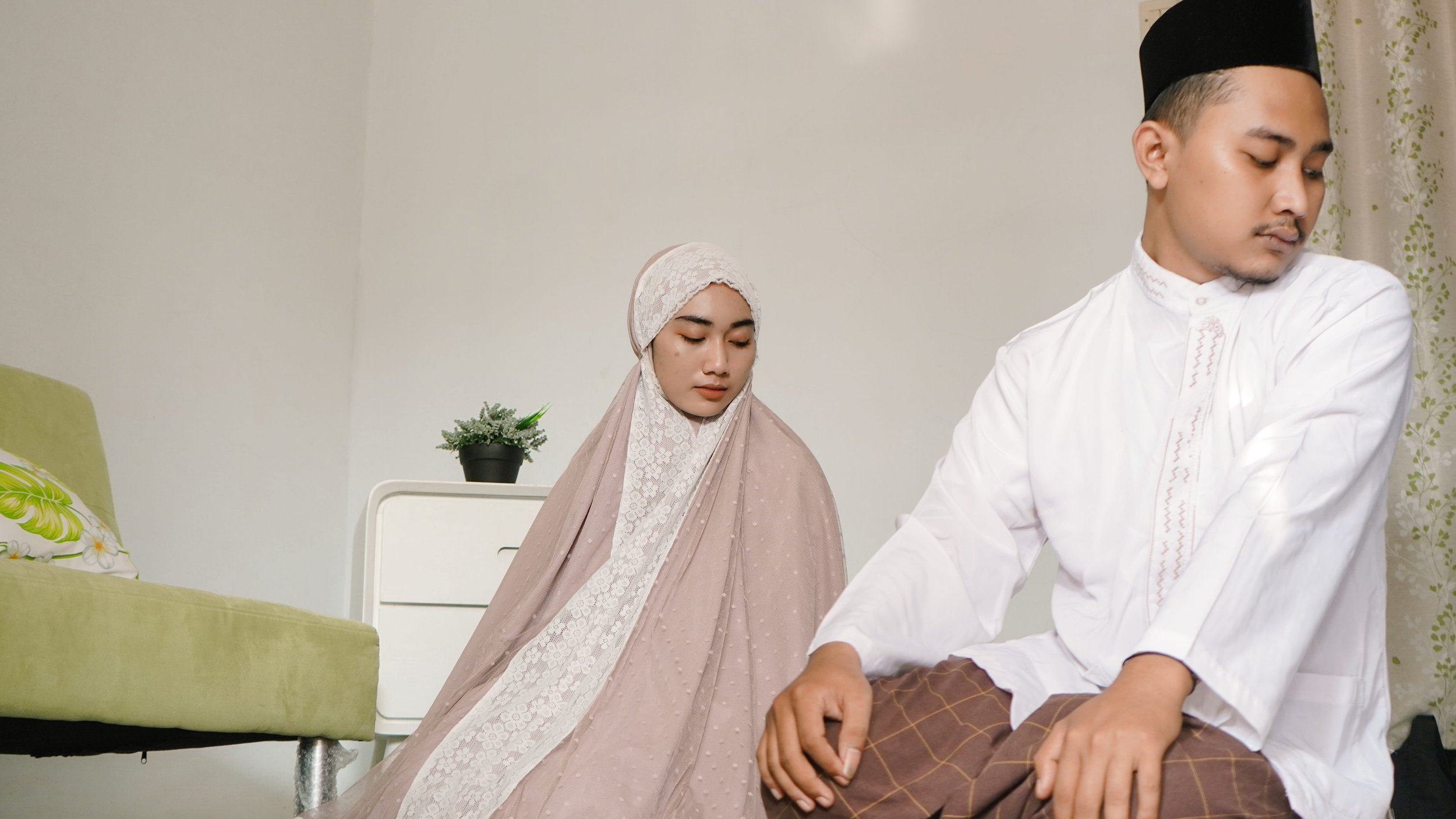
Islamic guidance emphasizes starting your marriage by remembering Allah SWT, anchoring your relationship in spiritual awareness from the very first moments together. It is highly recommended for the couple to pray (perform Salah) 2 Rak'ahs together on their wedding night, seeking Allah's blessings for their union and protection from any evil.
The Qur’an beautifully reminds us:
“And those who say, ‘Our Lord, grant us from among our wives and offspring comfort to our eyes and make us an example for the righteous.’” (Surah Al-Furqan 25:74)
This verse highlights how marriage becomes a source of tranquility and spiritual growth when approached with faith and intention. According to a hadith, the Prophet Muhammad ﷺ emphasized the importance of making dua on the wedding night, stating that every dua made by the couple is accepted by Allah.
The Prophet ﷺ also taught us:
“When a servant marries, he has completed half of the religion; so let him fear Allah regarding the remaining half.” (Al-Bayhaqi, Shu’ab al-Iman)
Following the Sunnah, it is highly recommended for newlyweds to recite specific supplications and prayers together, as established in authentic hadith, to sanctify their marriage and seek divine mercy.
A Special Supplication for New Couples
Islamic tradition offers a beautiful dua for this sacred moment. The Prophet ﷺ taught:
“Allahumma inni as’aluka khayraha wa khayra ma jabaltaha ‘alayh, wa a’udhu bika min sharriha wa sharri ma jabaltaha ‘alayh.” (Sunan Abi Dawud 2160)
After the prayer, the husband should place his hand on his wife's forehead and recite these words, saying: "O Allah, I ask You for her goodness and the goodness You have created in her, and I seek refuge in You from her evil and the evil You have created in her." These are the words taught by the Prophet ﷺ, emphasizing the importance of seeking Allah's goodness and seeking refuge from any harm, thus invoking divine protection and blessings for the marriage.
Beginning your marriage with this supplication invites Allah’s blessings and aligns your union with divine pleasure.
Roles and Responsibilities of the Bride and Groom
The wedding night in Islam is more than a celebration—it is the sacred beginning of a lifelong partnership. Both the bride and groom carry meaningful roles and responsibilities that help establish a foundation of trust, intimacy, and spiritual harmony.
Creating Ease: Practical Etiquettes for Your First Evening
After celebrating your wedding day, Islamic guidance emphasizes simplicity and gentleness rather than creating additional pressure or expectations. The first wedding night is a special moment, marking the beginning of your married life together. It is important to help each other feel comfortable, emotionally and physically, as you transition into this new chapter. Traditionally, the bridal chamber—the private space prepared for the couple—serves as a sacred and intimate setting for this occasion.
Some practical etiquettes for the first evening include:
Greeting each other with warmth and kindness
Making du’a (supplication) together, such as the well-known prayer: “O Allah, I ask You for the goodness within her and the goodness You have created in her, and I seek refuge in You from the evil within her and the evil You have created in her.” (Abu Dawood 2180)
Respecting each other’s boundaries and moving at a pace that feels right for both
Maintaining personal hygiene and wearing clean, pleasant attire
It is also considered common for the couple to have a light meal or share a drink, such as milk, together in the bridal chamber to ease any nervousness and foster a sense of comfort and companionship.
Gentle Approaches That Honor Islamic Values
Keep your evening calm and unhurried
Greet each other with genuine kindness and respect
Allow yourselves to rest after the wedding celebrations
It is highly recommended (sunnah) for the husband and wife to begin their wedding night by praying two rak'ahs together and to recite specific supplications. This practice helps to sanctify the marriage, seek Allah’s blessings, and establish a spiritual foundation for the relationship.
Before intimacy, the Prophet ﷺ also taught this meaningful dua to recite:
“Bismillah, Allahumma jannibna ash-shaytan wa jannib ash-shaytan ma razaqtana.” (Sahih al-Bukhari 141)
Reciting this dua before intimacy is a prophetic sunnah and brings blessings to the union, asking Allah to keep Satan away from the husband and wife and any offspring He may grant them. Many scholars also suggest praying two rak’ahs together as a beautiful way to begin your marriage, though this remains a recommended rather than obligatory practice.
Cultural Traditions: Understanding What's Religious vs. Cultural
Various Muslim communities have developed welcoming traditions for newlyweds, though these vary significantly and aren’t religiously mandated.
In some traditions, the groom welcomes his bride by gently removing her shoes and washing her feet. Honoring the bride's feet in this way symbolizes respect, humility, and care as she enters her new home, and is seen as a sacred act that invokes blessings for the couple’s new life together. Women are often supported by female family members during these moments, highlighting the spiritual significance of their presence.
Couples are also encouraged to exchange gifts on their islamic wedding night. The act of giving and receiving gifts, whether simple or meaningful, is rooted in the Sunnah and helps foster love and affection between spouses. Exchanging gifts can create memorable moments and strengthen the marital bond.
Some couples may encounter practices such as:
Symbolic gestures of mutual service
Gentle blessings with water or rose petals
Quiet moments of sharing sweets together
Following the example of the Prophet ﷺ, who once offered a large cup of milk to his wife ‘Aishah (Sahih al-Bukhari 5167), couples may choose to share sweet foods or drinks on their wedding night. This simple act can help ease conversation and create intimacy. It is narrated that ‘Aishah felt shy when the Prophet ﷺ offered her the drink, reflecting the natural modesty and bashfulness that women may experience in such tender moments.
Islamic guidance emphasizes that these customs should always remain simple, respectful, and free from pressure or obligation.
Setting the Scene: Creating a Peaceful Environment
A thoughtfully prepared space can help both spouses feel more comfortable and at ease during this important transition, fostering a sense of absolute harmony in the bridal chamber. Islamic wedding customs often involve various cultural practices that emphasize the couple’s mutual respect and comfort, helping to create an environment where both partners can experience a deep sense of connection and tranquility. These mindful preparations are not only about physical comfort but also contribute to a harmonious marital life, laying the foundation for mutual understanding, emotional bonding, and spiritual coherence from the very first night.
Consider creating an atmosphere that includes:
Soft, gentle lighting that reduces anxiety\
A clean and private sanctuary\
Pleasant natural fragrances without excess
Sharing light refreshments or traditional sweets can also create a gentle moment of connection after your long celebration day.
Emotional Connection: The Foundation of Everything
Most scholars emphasize that emotional comfort forms the essential foundation for all that follows in marriage. On the Islamic wedding night, it is highly encouraged for couples to talk openly with each other about their feelings, religious obligations, and especially their future life together. Engaging in a sincere conversation about future plans and expectations can help ease any awkwardness, making the experience more comfortable and reassuring for both partners.
The Prophet ﷺ consistently emphasized kindness in marriage, and this gentle approach begins from your very first night together. Expressing admiration for each other's qualities—such as character, faith, and other things beyond just appearance—helps to strengthen the emotional bond. The answer to building a strong, faith-based relationship lies in following the guidance found in Islamic teachings, which encourage mutual respect, compassion, and open communication from the very beginning.
Core Principles for Emotional Well-being
Ensure clear and mutual consent in all interactions
Practice patience in conversation and truly listening
Maintain each other’s privacy and dignity
It is completely normal to feel afraid or nervous on your wedding night—many couples experience these emotions. Both partners should help each other feel comfortable, taking time to build trust and understanding before making any significant decisions. Expressing shyness or anxiety is natural, and seeking reassurance from your spouse, as well as support from close friends, can ease these feelings. Friends can play a supportive role by offering encouragement and helping to alleviate wedding night anxieties.
Simple expressions of appreciation and gratitude can ease nervousness while building the trust that will sustain your marriage for years to come.
Understanding Intimacy: Consent, Comfort, and Timing
A common misconception suggests that sexual relations or intercourse must happen immediately on the Islamic wedding night. In reality, Islamic guidance emphasizes that neither sexual relations nor intercourse are obligatory on the first night; the best form of intimacy is one that is consensual, gentle, and in accordance with Islamic guidelines. It is not wrong to wait until both spouses feel emotionally and psychologically ready, as confidence-building and spiritual connection are highly valued.
Important considerations include:
Consummation and sex are not obligatory on the first night; mutual comfort and readiness are prioritized
Emotional connection and psychological bonding traditionally come before physical closeness
Gentleness, patience, and respect for each other's feelings remain essential at all times
Engaging only in lawful things is encouraged, while unlawful things—such as certain types of sex (e.g., anal intercourse)—are to be avoided, as Islamic teachings dislike unlawful things and emphasize the sanctity of the marital relationship
Islamic etiquette also forbids spouses from sharing intimate details of their relationship in a post or with others, maintaining privacy and dignity within the marriage. Before engaging in intimacy, couples are encouraged to recite a dua, asking Allah to keep them and their future offspring safe from Shaytan, further reinforcing the importance of lawful things and spiritual mindfulness.
Each couple naturally moves at their own pace, and Islamic tradition supports taking the time you both need rather than feeling pressured by external expectations. Understanding signs a man likes you can help build this emotional foundation even before marriage.
Addressing Physical Concerns with Wisdom and Care
Many misconceptions surround first-time intimacy, particularly regarding physical expectations and experiences.
Islamic guidance encourages both the husband and wife to prepare themselves physically and emotionally for their wedding night. It is recommended for the married couple to take a bath (ghusl) and wear pleasant clothing, ensuring they feel comfortable and attractive for each other. One beautiful Sunnah is for the husband to gently place his right palm on the bride's head and recite a dua, asking Allah for blessings, love, and protection for their future children. Approaching these moments with care, mutual respect, and spiritual intention helps foster a sense of tranquility and connection, as encouraged in Islamic teachings.
Gentle Reminders for New Couples
Physical experiences vary significantly between individuals, and for a newly married couple, the first wedding night—often referred to as Laylat al-Zafaf—represents a sacred spiritual covenant that marks the official beginning of a shared life under divine guidance. The best form of intimacy on this special occasion is one that is rooted in psychological bonding, confidence-building, and sincere intention to please Allah. Discomfort should be approached with patience and understanding, and seeking medical guidance is encouraged when needed.
Understanding these realities helps couples approach intimacy with confidence, knowledge, and mutual compassion.
After Intimacy: Balancing Physical and Spiritual Life
Islamic teaching beautifully balances physical intimacy with continued spiritual awareness and cleanliness.
After intimate moments:
Performing wudu is traditionally recommended before resting
Ghusl becomes necessary before the next prayer time
Couples may also choose to pray and recite supplications together, strengthening their spiritual connection before sleep and expressing gratitude for Allah’s blessings. It is recommended to recite specific duas seeking Allah’s protection from evil and Satan, as taught in the Sunnah. Before engaging in intimacy, the couple should recite the dua: “Bismillah, Allahumma jannibna ash-shaytaan wa jannib ash-shaytaan ma razaqtana” (“In the name of Allah, O Allah, keep us away from Satan and keep Satan away from what You bestow upon us”). This practice is rooted in the hadith found in Musnad Ahmad, emphasizing the importance of seeking Allah’s protection from harm and negative influences. By praying and reciting these supplications, newlyweds invite divine mercy and safeguard their union from spiritual harm.
Addressing Common Worries and Cultural Pressures
It is completely normal to feel afraid or anxious about the wedding night, as many individuals experience concerns about the unknown or personal insecurities. Many anxieties surrounding the wedding night stem from cultural expectations rather than authentic Islamic teachings. Islam recognizes these feelings and encourages couples to seek reassurance through prayer, open communication, and support from loved ones or trusted religious figures.
The wedding night in Islam is considered a sacred occasion, marking the beginning of a couple's life together and believed to open the doors of Allah's mercy, as narrated by the Prophet Muhammad (S). There is nothing wrong with taking time to adjust to this new phase; Islamic guidance emphasizes that every couple moves at their own pace. In fact, marriage secures many spiritual benefits, safeguarding one's faith and inviting Allah's blessings and mercy.
Some frequently expressed concerns include:
Pressure around performance or specific timing
Misunderstandings about physical signs or expectations
Anxiety about emotional or physical readiness
If ongoing distress continues, seeking appropriate guidance remains both wise and encouraged. Resources focused on emotional healing can provide valuable support during these transitions.
Family Boundaries: Protecting Your Sacred Privacy
While Islam deeply values family connections, it also strongly protects the privacy and sanctity of marriage.
Healthy boundaries include:
Allowing husband and wife appropriate space after the wedding
Avoiding intrusive questions about intimate matters
Offering advice only when specifically requested
Ensuring that husband and wife engage only in lawful things and avoid unlawful things, as Islam dislikes unlawful things and emphasizes the importance of lawful conduct in marriage
Refraining from sharing intimate details of the wedding night with others, as maintaining privacy and respect is essential in Islam
Early establishment of respectful boundaries often strengthens long-term family relationships while protecting the marriage itself. Those considering the qualities of a good wife understand that mutual respect forms the foundation of successful partnerships.
Building Beyond the First Night: Creating a Lasting Partnership
Your wedding night represents just the beautiful beginning. Elders often advise newlyweds to thoughtfully discuss their future life together, emphasizing the importance of planning as a married couple. Building a lasting partnership in Islam means looking ahead with shared goals and intentions, rooted in both spiritual and practical preparation.
A strong Islamic marriage grows through consistent effort, shared spiritual intention, and mutual commitment. Islamic etiquette, much like Jewish tradition, emphasizes kindness and privacy within the marriage, fostering a safe and compassionate environment for both partners.
Couples can nurture their relationship by:
Establishing regular prayer together
Setting aside dedicated time for meaningful conversation
Supporting each other’s spiritual and personal growth
Many couples benefit from structured guidance through a Muslim matchmaking program, which focuses on long-term compatibility and sustainable success rather than short-term attraction alone.
Finding Peace in Sacred Beginnings
Understanding what couples do on wedding night in Islam becomes much clearer when viewed through the lens of mercy, patience, and sincere intention. Rather than treating it as a test to pass, Islamic guidance frames it as a moment to begin gently and deliberately, honoring the sacred union that marriage represents.
When approached with faith and mutual kindness, your first night together becomes less about meeting expectations and more about creating genuine connection and striving for absolute harmony—spiritually, emotionally, and physically. This gentle beginning sets the foundation for a marriage built on trust, compassion, and the continuous remembrance of Allah SWT.
Your wedding night marks the start of a lifelong journey of partnership, growth, and shared devotion under divine guidance. Seek Allah’s goodness and blessings for your new life together, asking for His mercy and protection as you embark on this sacred path. May Allah bless your union with tranquility, love, and countless moments of joy together.