
Halala Meaning in Islam: What Nikah Halala Really Means After Triple Talaq
Few topics within Muslim family law evoke as much confusion, emotion, and controversy as halala meaning. Often discussed in fragments or through sensational headlines, the concept of halala is deeply misunderstood — especially by modern Muslims seeking sincere guidance on marriage, divorce, and remarriage.
Islamic teachings on marriage are rooted in mercy, responsibility, and social stability. In Muslim communities, religion forms the basis of personal laws regarding marriage and divorce, shaping how these issues are addressed and practiced. To understand halala properly, it must be viewed within its Qur’anic context, legal framework, and ethical purpose — not as an isolated or transactional practice.
This guide offers a clear, respectful explanation of halala, addressing both its spiritual wisdom and its real-life implications for Muslim women, families, and communities today. It is important to note that only a small part of the Muslim community engages in controversial or exploitative forms of halala, and these practices are not representative of the broader tradition.
What Does Halala Mean?
The term “halala” comes from the Arabic root word meaning “to make lawful” or “to make permissible.” In the context of Islamic marriage law, it refers to a specific situation that can arise after a particular type of divorce.
To understand halala meaning, we first need to understand how divorce works in Islam. When a husband divorces his wife through talaq, he has the ability to revoke that divorce during the iddat period, which is typically three menstrual cycles or three months. This waiting period exists to ensure the woman isn’t pregnant and to provide time for reconciliation.
Islamic law recognizes that emotions run high during marital conflict. The structure of talaq and iddat creates space for couples to reconsider hasty decisions made in anger or frustration. If a divorce is pronounced by mistake or in a moment of anger, Islamic law provides mechanisms to rectify such mistakes and allows the couple to revoke the divorce within the iddat period.
The Three Pronouncements of Divorce
Under traditional Islamic jurisprudence, a husband can pronounce divorce up to three times over separate occasions. The first two pronouncements are revocable, meaning the couple can reconcile during the iddat period without needing a new marriage contract.
However, when a man decides to divorce his wife for the third time, the divorce becomes irrevocable. This third pronouncement creates a permanent separation that cannot simply be undone by the husband changing his mind. The decision to pronounce the third and final talaq carries significant weight, as it results in irreversible consequences for the marriage. According to most interpretations of Islamic law, once this third and final divorce occurs, the couple cannot remarry each other immediately.
This is where the concept of halala enters the picture.
How Halala Marriage Works According to Islamic Law
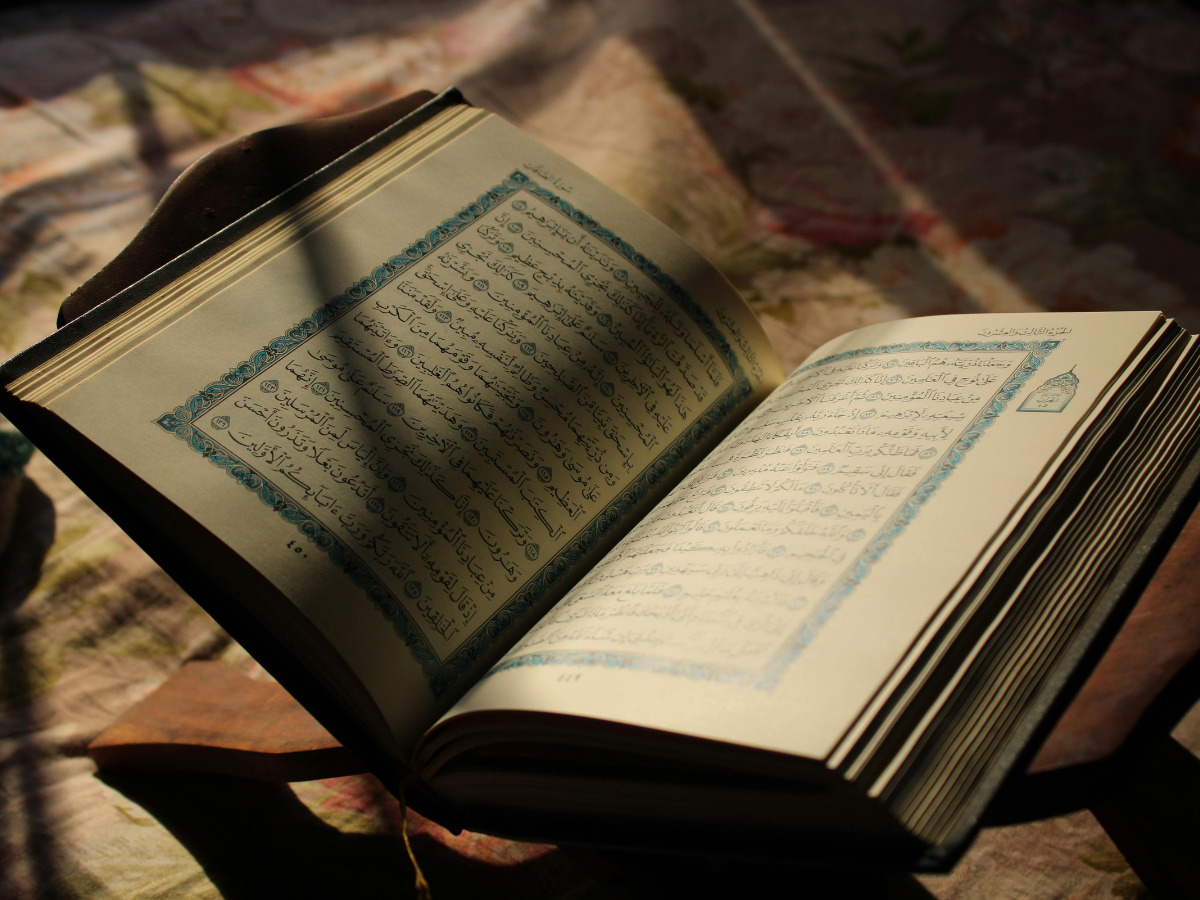
After a husband divorces his wife for the third time, Islamic jurisprudence states that the divorced woman cannot remarry her former husband unless a specific condition is met. She must marry another person, consummate that second marriage, and then either be divorced by the second husband or be widowed before she becomes lawful to her first husband again.
The Qur’an addresses this situation directly: “And if he has divorced her [for the third time], then she is not lawful to him afterward until [after] she marries a husband other than him. And if the latter husband divorces her, there is no blame upon the woman and her former husband for returning to each other if they think that they can keep [within] the limits of Allah” (Surah Al-Baqarah, 2:230).
This verse establishes the framework that scholars refer to when discussing nikah halala or tahleel marriage. The key elements include a legitimate second marriage, consummation of that marriage through sexual intercourse, and then the natural end of that second marriage through divorce or death.
The validity of Nikah Halala is debated among scholars and legal authorities, with different schools of thought offering varying perspectives on whether such a marriage is considered valid or invalid within Islamic law.
The Intention Behind the Law
Understanding what the Quran says about marriage helps illuminate why this law exists. Islamic scholars explain that the requirement of halala serves as a deterrent against frivolous or repeated divorce.
The serious consequences of a third divorce encourage husbands to think carefully before pronouncing talaq. Marriage in Islam is a sacred covenant, not something to be entered and exited casually based on temporary emotions. By making reconciliation after a third divorce extremely difficult and complex, Islamic law protects the dignity of marriage itself.
According to legal and religious provisions, after a third divorce, a woman can only re-marry her former husband if she has lawfully married another man, that marriage has been consummated, and then ended through divorce or the husband's death. Only then is it permissible for her to re-marry her previous husband.
The structure also protects women from being trapped in a cycle of divorce and reconciliation where a husband might use the threat of divorce as a tool of control or manipulation. Once the third divorce is pronounced, there’s no easy path back, forcing both parties to truly move forward with their separate lives.
The Controversy Surrounding Halala Practice
While the Qur’anic verse establishes the legal framework for when a divorced woman becomes lawful to her former husband again, how this has been practiced historically and in modern times has generated significant controversy. Certain forms of halala, especially those arranged with the intention of circumventing Islamic law, are explicitly forbidden in Islam. Additionally, Nikah Halala has been criticized for subjecting women to social and sexual exploitation by local religious figures, further fueling the controversy.
Arranged Halala Services
In some communities, a disturbing practice has emerged where families arrange temporary marriages specifically to fulfill the halala requirement. These arrangements, sometimes called “halala services,” involve finding a second husband who agrees to marry the divorced wife, consummate the marriage, and then immediately divorce her so she can remarry her first husband. Nikah Halala is often arranged by religious leaders who charge fees for facilitating these temporary marriages, contributing to the exploitation of women. Such arrangements are prohibited by Islamic law and are not recognized as legitimate marriages.
This practice fundamentally contradicts the spirit and intention of the Islamic ruling. The second marriage in these scenarios isn’t a genuine union entered with sincerity and hope for a lasting partnership. Instead, it becomes a transactional arrangement designed to circumvent the protective barriers that Islamic law intentionally put in place.
The Prophet Muhammad ﷺ condemned such arrangements in the strongest terms. He said: “Allah has cursed the one who does halala and the one for whom it is done” (Sunan Ibn Majah, 1936). This hadith refers specifically to marriages contracted with the intention of making a divorced woman lawful to her former husband again, rather than marriages entered into sincerely.
Exploitation and Abuse
When halala becomes a calculated arrangement rather than a natural occurrence, it opens the door to exploitation. Women can find themselves pressured into these temporary marriages by families desperate to reunite a couple. The second husband in these arrangements holds tremendous power, sometimes demanding money or making unreasonable conditions. The practice of Nikah Halala has also been described as a means for corrupt clergy to exploit women and earn money.
Such exploitative practices are considered haram (forbidden) in Islam, as they contradict the core teachings of justice and dignity. Sexual relations within these temporary marriages can feel coercive or violating when the woman hasn’t genuinely consented to a real marriage but feels trapped by family pressure or religious misunderstanding. This completely contradicts Islamic principles of consent, dignity, and the sanctity of the marital relationship.
The Muslim community has increasingly recognized these practices as harmful and contrary to true Islamic values. Nikah Halala has faced significant criticism from women's rights advocates and legal scholars for its negative impact on women's rights and dignity. Many scholars and activists have spoken out against arranged halala, calling it a form of exploitation that has no legitimate place in Islamic practice.
What Scholars Say About Halala Today
Contemporary Islamic scholars hold varied perspectives on halala, though there's widespread agreement that arranged or intentional halala violates Islamic principles.
The Majority Position
Most traditional scholars maintain that the Qur'anic verse is clear: after a third divorce, a woman cannot remarry her first husband unless she has genuinely married someone else, that marriage has been consummated, and it has ended naturally through divorce or death.
However, they emphasize several critical points. The second marriage must be entered into with sincere intention to build a life together, not as a means to an end. The second husband cannot agree to the marriage with the predetermined plan to divorce after consummation. If any party enters the second marriage with the specific intention of enabling remarriage to the first husband, the marriage is invalid and doesn't fulfill the halala requirement.
Sexual intercourse in the second marriage must occur naturally as part of a genuine marital relationship, not as a mechanical act performed to check a legal box.
Progressive Interpretations
Some contemporary scholars question whether the strict application of three separate divorce pronouncements, as practiced in many communities, truly reflects the original Islamic intention. They point to evidence suggesting that triple talaq, where a man says "I divorce you" three times in one sitting, was not the norm during the Prophet's time and may represent a later development that distorts the original protective framework.
These scholars argue that reforms in how divorce is understood and practiced could reduce situations where halala even becomes a question. If divorce procedures require mediation, waiting periods between pronouncements, and judicial oversight, the scenario of a third irrevocable divorce becomes much less common.
Why Most Scholars Strongly Discourage Halala Arrangements
While the concept of halala exists in Islamic law, scholars across all major schools agree on key principles:
Intention (niyyah) matters deeply
Marriage cannot be reduced to a transactional act
A woman must never be pressured, paid, or manipulated
Most scholars advise against any arrangement where:
The second marriage is temporary by design
Sexual relations are treated as a condition rather than a natural marital bond
Financial incentives are involved
Islamic guidance emphasizes that marriage is a sacred covenant, not a legal workaround.
The Real-World Impact on Muslim Women
Beyond legal and theological debates, halala affects real lives, real families, and real women navigating painful circumstances. An 'ex'—a woman who has previously been married and divorced—often faces significant social and legal challenges, including stigma and limited rights, especially in the context of practices like Halala. Many women's rights activists argue that Nikah Halala perpetuates gender inequality and violates women's rights.
When Reconciliation Seems Possible
Imagine a couple who divorces in anger, reconciles, divorces again during another conflict, reconciles once more, and then faces a third separation. By the time emotions settle and both parties genuinely want to reunite, they discover that Islamic law now stands between them.
The realization that they cannot simply remarry creates desperation. Families who don't fully understand Islamic principles might pursue arranged halala, believing they're following religious requirements. The woman finds herself pressured into a marriage she doesn't want, with a person she doesn't know, for the sole purpose of making herself lawful to the man she actually loves.
This scenario illustrates why the law exists in the first place: to prevent the cycle from reaching this third divorce. But it also reveals the human cost when couples don't understand the gravity of divorce pronouncements in Islamic law.
The Emotional Burden
For divorced women who genuinely want to move forward with their lives, the concept of halala can create additional emotional complexity. If she falls in love again and marries sincerely, only for that second marriage to end, she might face pressure from her first husband or his family to reconcile.
The knowledge that remarrying her first husband is now theoretically permissible can complicate her grieving process for her second marriage and her ability to make decisions based on what she truly wants for her future.
Women navigating these situations need compassionate support, clear information about their rights, and the liberty to make decisions free from family pressure or religious coercion.
What Islam Actually Teaches About Marriage and Divorce
To understand halala in proper context, we need to step back and look at what Islam teaches about marriage and divorce more broadly.
Marriage as a Sacred Covenant
Islam views marriage as one of the most important relationships in life, a source of tranquility, mercy, and companionship. Understanding what nikkah means reveals the seriousness with which Islam approaches the marital contract.
The Qur'an describes the marital bond beautifully: "And of His signs is that He created for you from yourselves mates that you may find tranquility in them; and He placed between you affection and mercy" (Surah Ar-Rum, 30:21).
This verse emphasizes that marriage should bring peace and mercy, not conflict and pain. When a marriage becomes a source of harm rather than comfort, Islam recognizes that separation might be necessary.
Divorce as a Last Resort
While Islam permits divorce, it's described as the most disliked of permissible things. The Prophet Muhammad ﷺ said: "The most hated of permissible things to Allah is divorce" (Sunan Abu Dawud).
This teaching reveals the tension in Islamic law. Divorce is allowed because forcing people to remain in harmful or dysfunctional marriages contradicts Islamic values of compassion and human dignity. But it should only happen after sincere efforts at reconciliation, counseling, and patience have been exhausted.
The structure of talaq with waiting periods and the ability to reconcile after the first two pronouncements all serve to slow down the divorce process and create opportunities for couples to reconsider. These aren't bureaucratic hurdles but protective mechanisms designed to preserve marriages whenever possible.
Protecting Women's Rights
Despite common misconceptions, Islamic family law contains numerous protections for women's rights in marriage and divorce. Women have the fundamental right to seek divorce through khul if they're unhappy in their marriage. They retain their mahr, the mandatory marriage gift that belongs solely to them. They have rights to child custody, financial support during iddat, and respect for their autonomy and dignity.
The halala requirement, when understood properly, also protects women. It prevents husbands from using divorce as a weapon of control, divorcing when angry and reconciling when calm in an endless cycle. By making the third divorce truly final unless very specific circumstances occur naturally, Islamic law forces accountability and seriousness around divorce decisions.
Moving Forward: Guidance for Those Affected
If you’re personally dealing with questions about halala, divorce, or remarriage, here’s what you need to know. It is important to understand that cohabitation after divorce without remarriage has significant legal and religious implications under Muslim family law, as it may be considered Zina and is not recognized by courts.
If You're Facing a Third Divorce
Before a third divorce is pronounced, understand that this decision has permanent consequences. Seek counseling from knowledgeable Islamic scholars who can explain the gravity of the situation. Consider marriage counseling to address the underlying issues causing repeated conflict. Remember that the ability to reconcile after the first two divorces exists precisely for situations where couples realize they made mistakes in anger.
If the third divorce has already occurred and you're hoping to reconcile with your former husband, resist any pressure to pursue arranged halala. This practice contradicts Islamic principles and puts you at risk of exploitation and harm.
Instead, focus on healing and moving forward with your life. If genuine remarriage to someone else occurs naturally, without the predetermined intention of enabling remarriage to your first husband, and that second marriage ends, then and only then does the possibility of reuniting with your former husband exist Islamically.
If Someone Is Pressuring You Into Halala
Know that you have the right to refuse. No legitimate Islamic authority would support forcing a woman into a temporary marriage arrangement. Seek support from trustworthy scholars, women's organizations, or legal advocates who understand Islamic law properly.
Your fundamental right to dignity, autonomy, and safety supersedes any misguided attempts to manipulate religious laws for family convenience. The Prophet Muhammad ﷺ was clear in his condemnation of intentional halala, and contemporary Muslim communities increasingly recognize these practices as harmful.
If You're Moving Forward After Divorce
Divorce is painful, but it isn't the end of your life or your worth. Islam recognizes that sometimes marriages simply don't work, and separation is the healthiest path forward for everyone involved.
Focus on healing, growing, and rediscovering yourself outside of the marriage that ended. When you're ready, the possibility of finding love again exists through genuine, sincere relationships. Platforms dedicated to Muslim matchmaking can help you connect with compatible partners who share your values and faith.
The wisdom in Islamic quotes about love can provide comfort and perspective during this difficult time, reminding you that Allah's mercy encompasses all things and that your story isn't over.
Summary
The concept of halala reveals the complexity of Islamic family law and the challenges of applying ancient legal frameworks to modern lives. At its core, the teaching exists to protect the sanctity of marriage and prevent the weaponization of divorce.
However, when distorted into arranged temporary marriages, halala becomes a tool of harm rather than protection. The Muslim community has a responsibility to educate about these issues honestly, reject exploitative practices, and support women navigating difficult circumstances with compassion rather than judgment.
If you're exploring questions about marriage, divorce, or Islamic family law, remember that these are deeply personal decisions that deserve careful thought, proper education, and compassionate guidance. The resources available through Love, Inshallah and our mission and programs emphasize approaching relationships with sincerity, clarity, and respect for Islamic values while honoring individual dignity and choice.
Understanding halala meaning requires understanding the broader context of Islamic marriage law, the spirit behind the rules, and the real-world impact on people's lives. Approach these topics with both mind and heart engaged, seeking knowledge while maintaining compassion for those affected by these complex situations.